Trump’s AG Admits to Breaking Law on Epstein Files
Donald Trump's acting attorney general, Todd Blanch, stated he will not release more Epstein files, despite a subpoena. This admission raises questions about legal accountability and transparency. The public awaits further developments and potential congressional hearings.

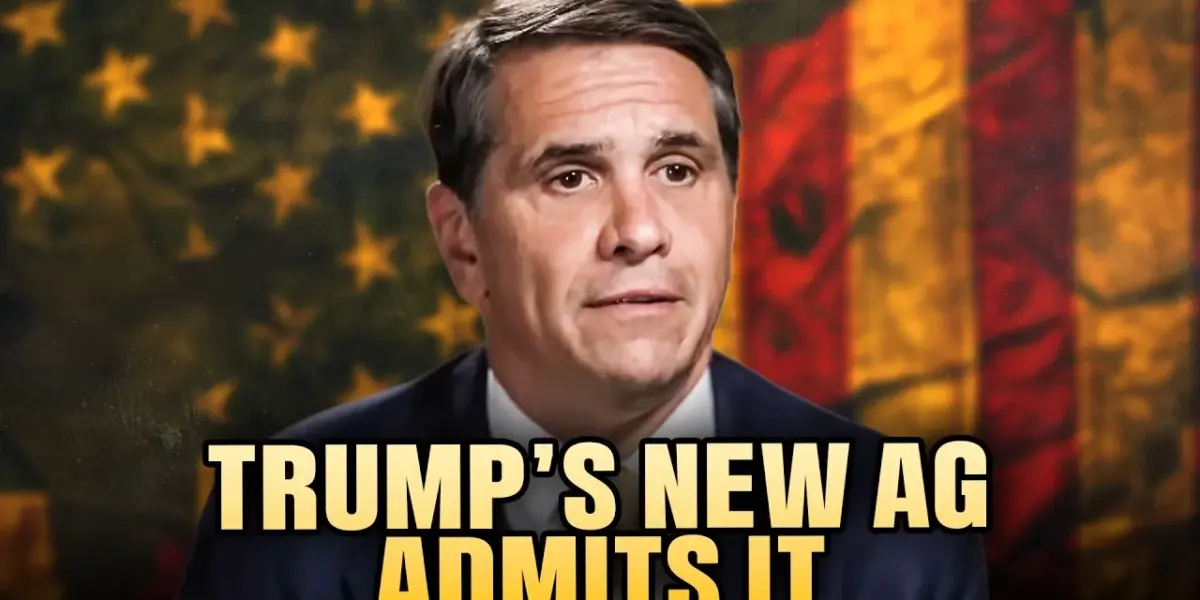
Trump’s Acting AG Admits to Breaking Law on Epstein Files
Donald Trump’s acting attorney general, Todd Blanch, recently stated in a Fox News interview that he will not release further documents related to the Jeffrey Epstein case. This declaration comes despite a court-issued subpoena that legally requires the release of such information under the Epstein Files Transparency Act. Blanch’s comments suggest a deliberate decision to disregard legal obligations.
During the interview, Blanch claimed that his office has already reviewed millions of documents and released everything associated with the Epstein files that should be made public. He argued that any remaining documents not released were not responsive to the law, meaning they did not directly pertain to Epstein or the investigation. Therefore, he believes there is nothing more to disclose.
However, critics point out that the definition of an “Epstein file” could be broader than Blanch suggests. If documents were collected during the investigation, even if Epstein’s name isn’t on every single page, they could still be considered part of the Epstein files. This interpretation challenges Blanch’s assertion that only documents directly mentioning Epstein are relevant.
The amount of information released so far is reportedly a very small percentage, possibly as little as 2-3%, of the total files. This limited release fuels suspicion that more significant information is being withheld. The question then arises: why not release everything if it’s all truly irrelevant or already covered?
Legal and Ethical Questions Arise
The situation raises serious legal questions about whether Todd Blanch and his department could face contempt of Congress or legal liability for violating the Epstein Files Transparency Act. In the United States, laws are meant to be followed, and ignoring a subpoena can have significant consequences.
This situation draws parallels to past events, such as the handling of these files by Pam Bondi, who also faced accusations of covering up information. Blanch, as acting attorney general, is in a precarious position. His actions could jeopardize his future career and even his ability to practice law, especially if he faces legal repercussions.
The transcript mentions the possibility of blanket pardons offered by Trump. This context adds another layer of complexity, as individuals might feel emboldened to take legally questionable actions if they believe they will be protected from consequences. However, such protection is not guaranteed, and legal experts often caution against relying on such assurances.
The stakes are high for Blanch. He is risking his professional future and personal freedom to potentially shield information.
The transcript directly questions whether this risk is worth it, especially considering the potential health and longevity of the person he might be protecting. It suggests that a rational person would not make such a trade-off.
Why This Matters
The core issue here is transparency and accountability. The Epstein Files Transparency Act was put in place to ensure that information related to a high-profile and disturbing case would be made public. When legal avenues to access this information are seemingly blocked, it erodes public trust.
This event highlights the tension between legal obligations and political influence. Acting officials are expected to uphold the law, regardless of political pressure. Blanch’s statements suggest that political considerations may be outweighing his legal duties, which is a dangerous precedent.
The public has a right to know what is contained within these files, especially given the gravity of the crimes committed by Jeffrey Epstein and the potential involvement of others. Any attempt to obstruct the release of legally mandated information fuels speculation and distrust.
Implications and Future Outlook
If Blanch continues to refuse to release the documents, it could lead to further legal battles, congressional hearings, and potential sanctions. This could create a significant challenge for the Trump administration and its legal appointees.
The outcome of this situation could set a precedent for how future transparency laws are enforced. If officials can successfully resist subpoenas and legal mandates related to sensitive information, it could weaken the power of oversight and accountability mechanisms.
The public will likely continue to demand answers. The ongoing debate over the release of the Epstein files shows that people are not satisfied with partial explanations or perceived cover-ups. Further action, whether through legal channels or public pressure, is expected.
Historical Context
Jeffrey Epstein’s case involved serious allegations of sex trafficking and abuse, impacting numerous victims. The subsequent legal proceedings and investigations have been closely watched, with many hoping for full disclosure of all relevant information.
Previous efforts to release documents related to the case have been met with delays and legal challenges. The Epstein Files Transparency Act was intended to cut through this, but its effectiveness is now being tested by Blanch’s statements.
The legal system relies on the principle that everyone, including government officials, must abide by the law. Cases involving high-profile individuals or sensitive information often test this principle, making the actions of figures like Todd Blanch particularly significant.
Todd Blanch is scheduled to potentially appear before Congress to answer questions regarding the Epstein files. The public awaits his testimony and the further developments in this ongoing legal and transparency battle.
Source: Trump’s New AG ADMITS He’ll Be Breaking The Law (YouTube)

Related Articles

Trump’s Ballroom Obsession Exposes Self-Interest
Donald Trump's public outcry over a halted White House ballroom project is analyzed against the backdrop of American economic struggles. Critics argue his focus on personal amenities like the ballroom, while neglecting issues like rising costs and healthcare cuts, reveals a pattern of self-interest over public welfare. This highlights a broader debate about leadership priorities and accountability in politics.
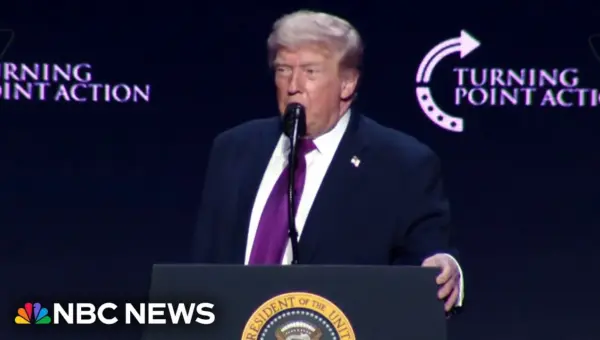
Trump Rallies Young Base, Defends Iran Stance Amid Papal Tensions
President Trump rallied thousands of young conservatives at a Turning Point USA event, addressing the conflict in Iran and his public disagreements with Pope Francis. While many supporters backed his strong stance on Iran, some expressed a desire for more domestic focus. The rally aimed to energize the MAGA base ahead of the crucial midterm elections.

Erica Kirk’s Odd Behavior Raises Eyebrows at TPUSA Events
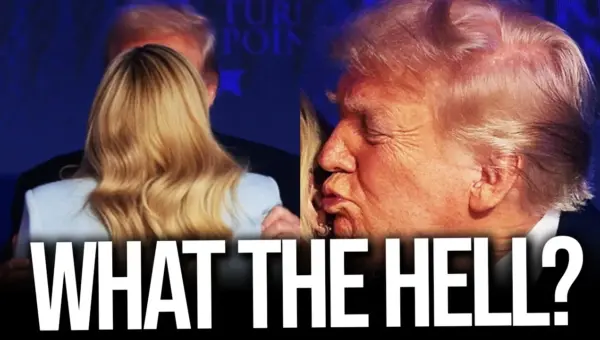
Unusual photos and behaviors at recent Turning Point USA events involving Erica Kirk and Donald Trump have sparked public discussion. Kirk's interactions and introductions, along with Trump's exaggerated claims, are being analyzed for their impact on the organization's image and political messaging.