Trump Orders ‘Brutal’ Blockade on Iranian Ports
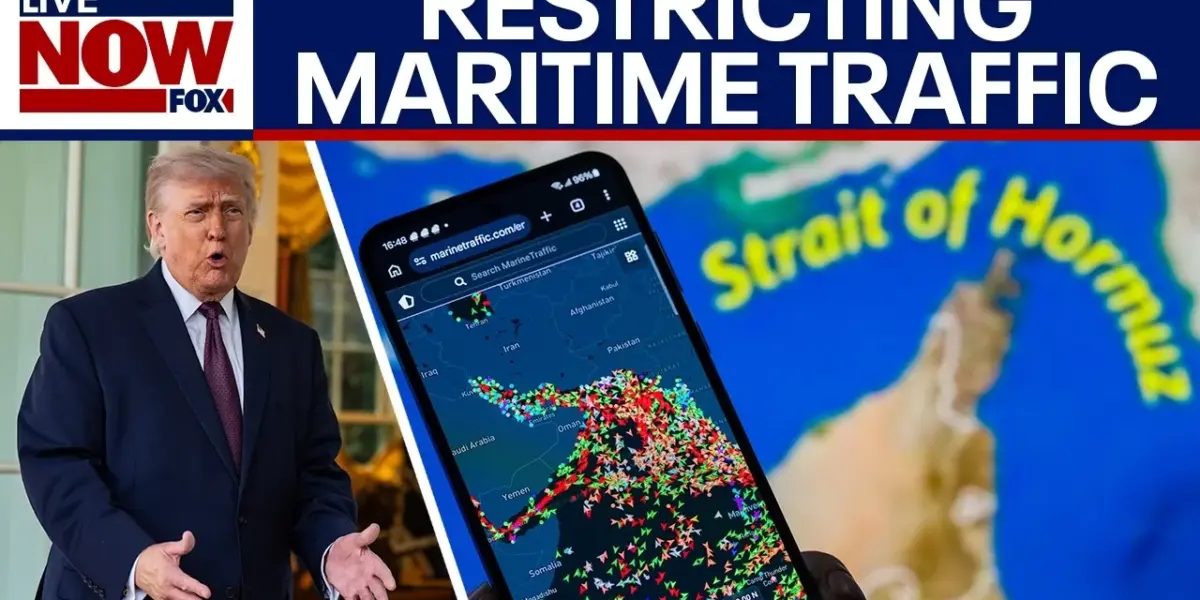
President Trump has ordered a U.S. military blockade of Iranian ports, aiming to force Iran to reopen the vital Strait of Hormuz. The move escalates tensions, with Iran warning of rising global gas prices. Maritime experts analyze the impact on global oil markets and the strategic importance of the waterway.

Trump Orders ‘Brutal’ Blockade on Iranian Ports
President Trump announced Monday that the U.S. military has begun a blockade of Iranian ports, a move intended to pressure Iran into opening the vital Strait of Hormuz. The intensified standoff comes after Iran previously shut down access to the critical energy waterway.
U.S. Military Moves to Blockade Iranian Ports
In a strong statement, President Trump declared that Iran would conduct “absolutely no business” as long as the blockade remains in place. The U.S. Navy plans to patrol the Gulf of Oman and the northern Arabian Sea, identifying and intercepting or diverting any vessels attempting to leave Iranian ports. While U.S. warships may not be stationed directly off every port, the intention is to halt Iran’s maritime trade and cripple its economy.
“So now they’re doing Iran is doing absolutely no business and we’re going to keep it that way very easily.”
President Trump
Iran’s Reaction and Global Oil Concerns
Iranian officials have responded to the blockade, with the head of the Iranian parliament warning that the action would lead to higher gas prices worldwide. Approximately 15% of the world’s oil needs pass through the Strait of Hormuz, making its closure a significant global economic concern. The blockade’s duration will heavily influence its impact on global oil production and prices.
Maritime expert and Campbell University professor Sal Marco explained the U.S. strategy. “The United States is looking to have a piece of leverage,” Marco stated, referring to the blockade as a key tactic following a breakdown in peace talks. He noted that the U.S. Navy has deployed significant resources, including the Tripoli Amphibious Ready Group and the USS Kearsarge, to support these operations.
Strait of Hormuz: A Critical Choke Point
The Strait of Hormuz is a narrow waterway connecting the Persian Gulf to the open ocean, making it a crucial transit point for global oil shipments. Iran’s previous actions to disrupt shipping in the strait have raised concerns about potential mine threats and attacks on vessels.
President Trump issued a stark warning via social media, threatening to “immediately eliminate” any Iranian ships that approach the U.S. blockade. This heightened rhetoric underscores the volatile nature of the confrontation in the region.
Fast Attack Ships and Naval Operations
Regarding Iran’s fast attack ships, Professor Marco suggested they pose a serious threat within the Strait of Hormuz. However, he noted that the U.S. Navy’s planned operations further out might provide some distance. The Navy is expected to conduct operations around the strait to neutralize such threats while simultaneously working on anti-mine operations to clear passage for commercial shipping.
Broader Implications and Potential Escalation
The blockade extends beyond the Strait of Hormuz, with potential implications for other key waterways like the Bab el-Mandeb strait, which connects the Red Sea to the Gulf of Aden. Iran has previously threatened to close this route, potentially involving proxy forces in Yemen.
The movement of U.S. naval assets, including the USS George Bush carrier strike group, is being closely watched. Its decision to sail around South America instead of through the Suez Canal highlights concerns about the security of the Red Sea route. This strategic positioning aims to counter threats from groups like the Houthis, which could jeopardize oil supplies from Saudi Arabia.
Impact on Global Shipping and Oil Markets
The blockade is expected to significantly impact Iran’s economy, which relies heavily on oil exports. Professor Marco described it as a “tale of two blockades,” contrasting Iran’s previous selective disruptions with the U.S. action designed to shut down Iran’s oil trade.
The situation has led to a surge in empty oil tankers heading towards the United States and other destinations. However, the longer travel distances for these tankers, particularly around Africa, mean that the U.S. and global markets may not be able to fully offset the shortfall in oil supply in the long term. Shipping companies are ordering new tankers, but these will take years to enter service.
Monitoring the Blockade’s Effectiveness
Key indicators to watch include the turnaround of vessels previously heading into or out of the Persian Gulf, signaling caution among shipping companies. The movement of Iranian vessels carrying oil will also be a significant factor, as these supplies could be sought by countries like Pakistan, India, and China.
The ongoing standoff in the Strait of Hormuz remains a critical issue with far-reaching global consequences. The effectiveness of the U.S. blockade and Iran’s response will shape the future of energy markets and international relations in the region.
Source: Trump warns 'quick and brutal' end for Iranian ships as blockade begins (YouTube)

Related Articles


Trump’s Pope Feud Risks Alienating Key Catholic Voters
Former President Donald Trump is facing mounting pressure following a public spat with Pope Francis and escalating international tensions. The dispute with the Pope risks alienating crucial Catholic voters, while the US blockade of Iranian ports adds to global instability. These events unfold as Trump continues to fight legal battles against media organizations.

Iran Blockade Shifts Global Oil Flow to U.S.
A blockade in the Strait of Hormuz has triggered a major shift in global oil supply routes, with supertankers now heading to the U.S. Gulf Coast. Despite geopolitical tensions, markets remain resilient, and corporate profits are projected to rise.


Oil Prices Dictate Market Moves, Expert Says
Oil prices are a key indicator, dictating stock market direction as prices above $100 per barrel correlate with market downturns. Despite mixed consumer sentiment signals, the economy shows resilience with stable employment. Investors are watching earnings reports closely as estimate increases slow, while valuations become more reasonable amidst persistent inflation concerns.