Trump Meets NATO Chief Amid Tensions Over Iran War
NATO Secretary General Jens Stoltenberg met with U.S. President Donald Trump to discuss the Iran war and repair strained transatlantic relations. An expert noted that while Trump has expressed skepticism towards NATO, Secretary General Stoltenberg has skillfully managed these tensions.

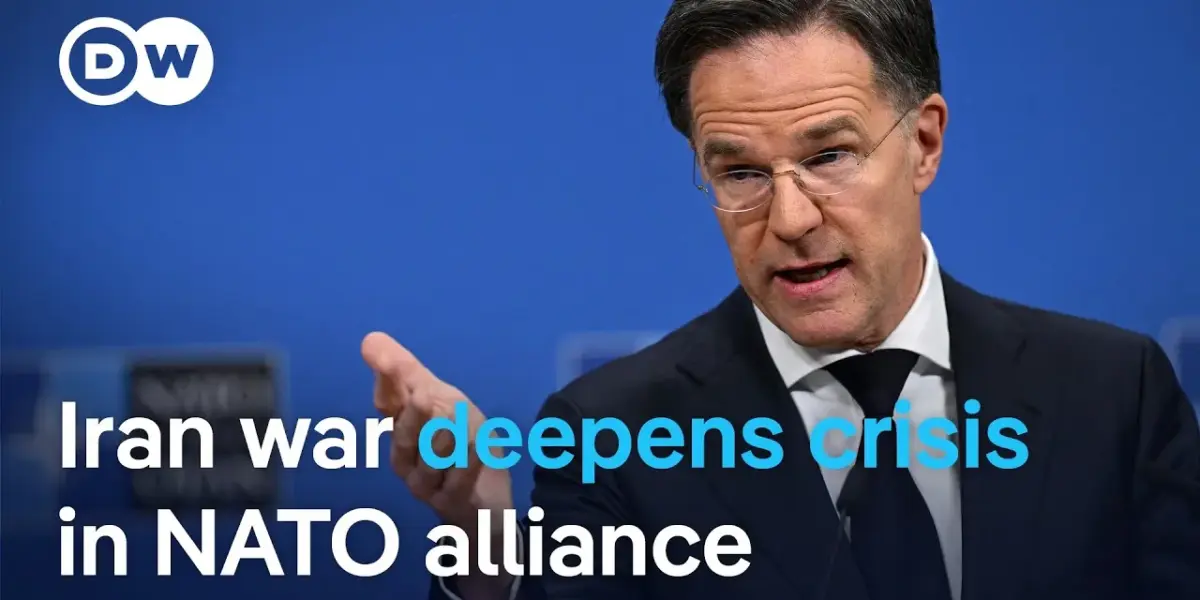
White House Summit Addresses Iran War, Alliance Strains
NATO Secretary General Jens Stoltenberg met with U.S. President Donald Trump at the White House today for crucial face-to-face talks. A major focus of their discussion was expected to be President Trump’s plan to reopen the Strait of Hormuz, a vital waterway for global oil transport. However, the meeting also aimed to repair strained relations between the United States and its transatlantic allies. The ongoing conflict with Iran has pushed NATO to a critical point, with President Trump frequently criticizing allies for not supporting his efforts in the region. He has also publicly considered the possibility of the U.S. withdrawing from the military alliance.
Expert Weighs In on NATO-U.S. Relationship Crisis
Mikail Ruler, a former NATO official with extensive experience in high-ranking positions within the alliance, offered his perspective on the current state of affairs. He noted that while NATO has a history of facing crises and disagreements, the relationship between Washington and the alliance is currently strained. Ruler recalled past instances where President Trump has made controversial statements, such as suggesting Canada become a U.S. state or the military takeover of Greenland, which is part of Denmark, a NATO member.
“We have certainly had better days,” Ruler stated. “But NATO’s history is a history of many crises and disagreements. And once you’ve been at NATO for 30 years or more, you begin to live with this.”
Rutte’s Mission: Keeping the Alliance Together
The primary objective for Secretary General Stoltenberg, according to Ruler, is to maintain the unity of the alliance. This task is particularly challenging when dealing with President Trump, who Ruler described as impulsive and lacking historical understanding of NATO’s importance. “Mark Rutte’s job is to keep the alliance together,” Ruler explained. “He has to deal with Trump, which is a unique challenge. And I think Mark Rutte has so far done an amazing job in tempering the wrath of Trump when it comes to what he considers ungrateful allies.” Ruler expressed hope that Stoltenberg’s charm and diplomatic skills would help to prevent rash decisions or statements from the U.S. president.
Trump’s Deep-Seated Aversion to NATO
Ruler highlighted that President Trump has long held a critical view of European allies, labeling them as “free riders” even before taking office. This deep-seated aversion towards Europe and NATO presents limited options for the alliance’s leadership. Despite these challenges, Ruler believes Stoltenberg has performed commendably in calming President Trump, citing the handling of the NATO summit and the Greenland incident as examples of his success in de-escalating tensions, at least temporarily.
What the U.S. Stands to Lose by Leaving NATO
The potential departure of the United States from NATO would have significant consequences, even if not immediately apparent to all Americans. Ruler outlined several key losses for the U.S., including a decrease in its influence in Europe, the loss of partners for sharing the burden of defense, and the absence of allies in military operations. “The U.S. would lose a lot, although many people in the U.S. may not immediately recognize that,” he stated. “NATO soldiers were fighting alongside American soldiers in many contingencies, and therefore, the U.S. would, without NATO, be much, much lonelier.”
The Limits of Unilateral Action
While President Trump might believe the U.S. can act alone, Ruler cautioned against this approach. He drew a parallel to former President George W. Bush’s “coalition of the willing” strategy during the Iraq War, which aimed for quicker action without needing broader consensus. However, such coalitions often fracture quickly. Ruler asserted that a stable, long-term alliance with established political and military structures offers a superior benefit, a view he believes is shared by many, including the U.S. military, even if President Trump does not see it that way.
Sabotaging NATO Means Sabotaging Oneself
Formally withdrawing from NATO requires a year-long process and a majority vote in the Senate, which President Trump currently lacks. Influential Republicans have signaled their opposition to such a move. However, Ruler acknowledged that Trump could still undermine the alliance through his rhetoric or by signaling uncertainty about U.S. commitments to mutual defense. “Trump could undermine NATO. He cannot leave NATO because that would require a majority in the Senate which he doesn’t have,” Ruler explained. “But he can indeed sabotage the alliance.” Yet, Ruler warned that sabotaging NATO would ultimately harm the United States itself, as the U.S. military is deeply integrated into the alliance. “By paralyzing NATO, you’re to some degree paralyzing yourself,” he concluded. While a definitive threat to NATO’s existence seems unlikely for now, Ruler anticipates continued criticism and dismissive remarks from President Trump directed at allies.
Looking Ahead
The meeting between President Trump and Secretary General Stoltenberg marks a critical moment for NATO. While diplomatic efforts aim to smooth over recent tensions and reaffirm alliances, the underlying friction caused by President Trump’s skepticism towards NATO remains a significant challenge. Future actions and statements from the White House will be closely watched to gauge the long-term stability and commitment to the world’s most powerful military alliance.
Source: Trump, Rutte meet amid Iran war tensions | DW News (YouTube)

Related Articles

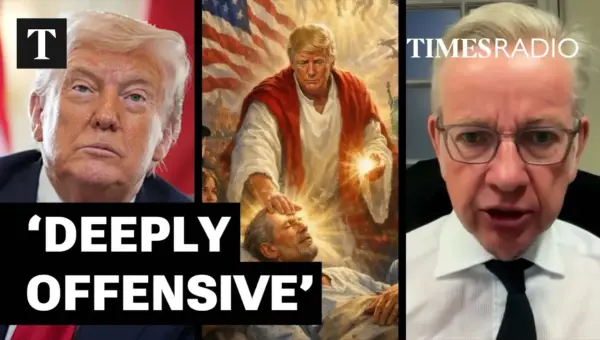
Trump’s Jesus Image Sparks Outrage, Raises Character Questions
Donald Trump's recent sharing of an AI-generated image depicting him as Jesus Christ has drawn sharp criticism, with Michael Gove labeling it "deeply offensive to Christians." The incident has reignited debates about Trump's online conduct and his fitness for public office. Trump's explanation that he thought the image showed him as a doctor has done little to quell the controversy.
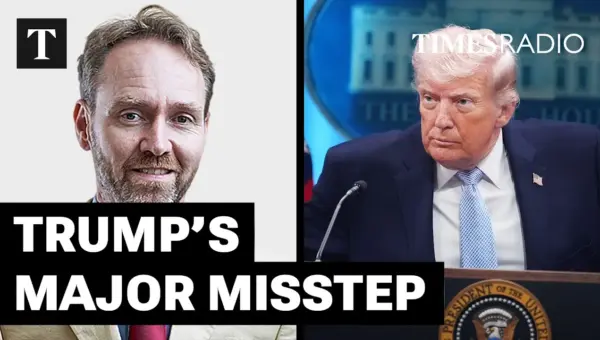
Trump’s Pope Feud Risks Alienating Key Catholic Voters
Former President Donald Trump is facing mounting pressure following a public spat with Pope Francis and escalating international tensions. The dispute with the Pope risks alienating crucial Catholic voters, while the US blockade of Iranian ports adds to global instability. These events unfold as Trump continues to fight legal battles against media organizations.
Ukraine Strikes Russian Oil Assets, Escalating Economic War
Ukraine intensifies strikes on Russian oil infrastructure, potentially leading to an "oil apocalypse" for Moscow. Meanwhile, ongoing hybrid threats and a hardening of Russia's stance complicate peace talks. Experts analyze the strategic implications of these developments and NATO's preparedness.