Hungary’s Orban Faces Ukraine War Questions
Hungarian Prime Minister Viktor Orban voted in a tense election, facing questions about his pro-Russia stance amid the Ukraine war. Polls show his party trailing a new challenger, Peter Magyar, as concerns about election interference linger.

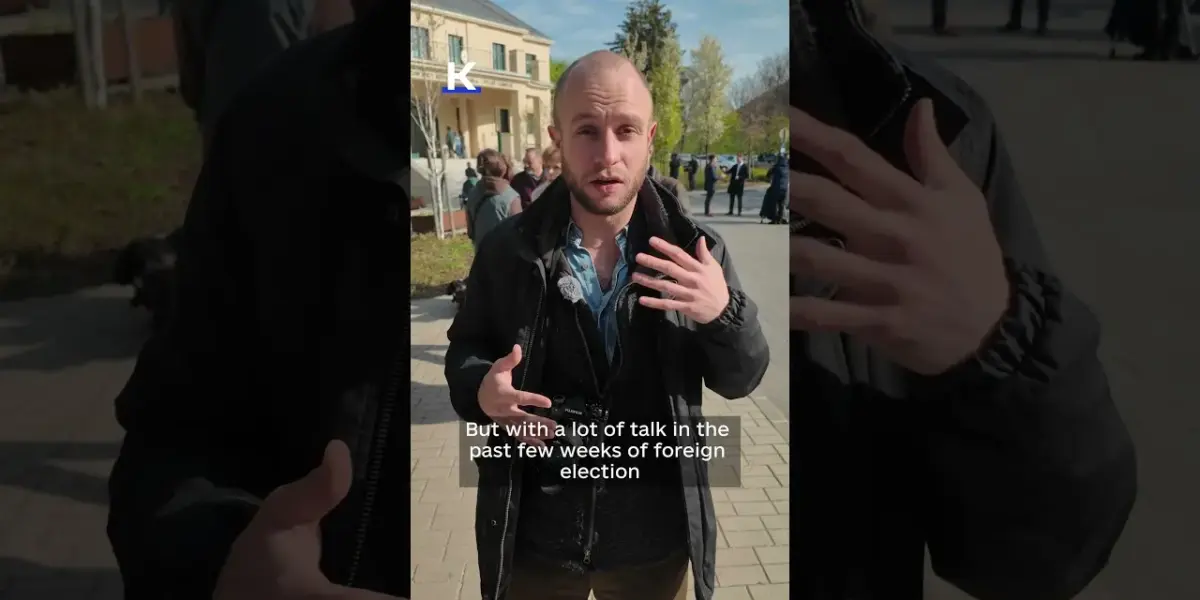
Orban Faces Scrutiny Over Ukraine Stance in Tense Election
Hungarian Prime Minister Viktor Orban cast his vote Tuesday amidst a tense election day, facing pointed questions about his country’s stance on the ongoing war in Ukraine. The election follows 16 years of rule by Orban and his Fides party. This period has seen Hungary grow increasingly close to Russia, raising concerns among international observers.
Recent polls indicate Orban’s party is trailing a new challenger, Peter Magyar. This shift comes as reports of foreign election interference and potential falsification have circulated. The stakes are exceptionally high, making the outcome of this election uncertain.
Context of the Election
The election is unfolding in Budapest, Hungary’s capital. Prime Minister Orban, a dominant figure for over a decade, is seeking to extend his party’s grip on power.
However, his government’s policies, particularly its alignment with Russia, have become a major point of contention. This is especially true in light of the war in neighboring Ukraine.
Orban’s perceived closeness to Moscow has drawn criticism from both domestic opponents and international allies. The ongoing conflict in Ukraine has put significant pressure on European nations to present a united front against Russian aggression. Hungary’s position has often appeared to diverge from this consensus.
Orban’s Response to Ukraine Questions
When pressed about his position on the war, Orban reportedly deflected a direct question about ceding territory. He stated he was fortunate not to be in Ukrainian President Volodymyr Zelenskyy’s position.
This response highlights the delicate balancing act Hungary is attempting to perform. It seeks to maintain its relationship with Russia while navigating the geopolitical fallout of the conflict.
The Prime Minister’s comments suggest a reluctance to directly engage with the difficult choices facing Ukraine. His focus remains on his own country’s interests, even as regional stability is threatened. This approach has defined much of his foreign policy over the past several years.
Broader Geopolitical Impact
Hungary’s election has wider implications for European security and the response to Russian actions. A government perceived as too aligned with Moscow could weaken collective efforts to support Ukraine. It could also embolden Russia by creating divisions within NATO and the European Union.
The potential for election irregularities also raises concerns about democratic processes within Hungary. Such issues could further complicate Hungary’s relationship with its Western partners. The international community is watching closely to see if the election results are seen as legitimate and fair.
Strategic Implications
The outcome of this election could significantly alter Hungary’s foreign policy. If Orban’s party loses, a new government might shift away from Russia and closer to the EU and NATO consensus on Ukraine. This would strengthen the united front against Russian aggression.
Conversely, another victory for Orban would likely mean a continuation of the current policy. This could further strain Hungary’s relationships with its allies.
It would also maintain uncertainty about Hungary’s role in supporting Ukraine. The country’s internal political dynamics are thus directly tied to broader European security concerns.
The upcoming full report will provide further details on election day developments.
Source: Orban confronted on Ukraine as he votes in tense Hungarian election (YouTube)

Related Articles

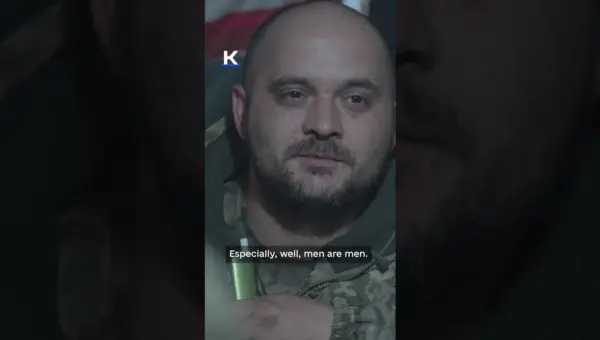
Ukraine Infantry Faces Rapid Russian Assaults
Ukrainian soldiers are facing intense combat characterized by rapid Russian assaults that can overwhelm positions within minutes. The psychological toll of this warfare is significant, with some soldiers becoming dependent on the adrenaline of direct combat. These tactics highlight a focus on speed and surprise by Russian forces.
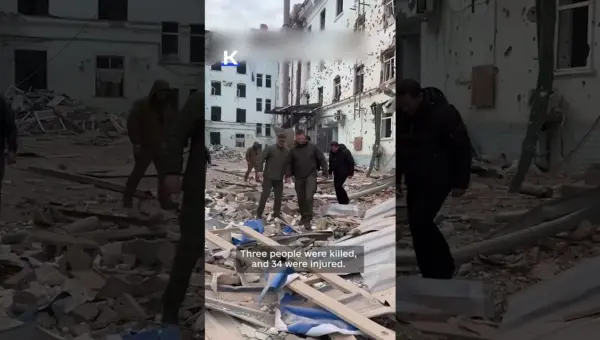
Russia Hits Ukraine Cities, Killing 16 in Missile Barrage
Russia launched a massive overnight missile and drone attack on April 16, killing at least 16 civilians in Kyiv, Dnipro, and Odesa. The assault destroyed homes and injured dozens, marking one of the deadliest strikes on Ukrainian civilians this year. The attack involved numerous ballistic missiles, cruise missiles, and drones.

Trump’s Troop Gambit: A Risky Mideast Play?
Reports of thousands of U.S. troops heading to the Middle East clash with President Trump's claims of an impending end to the war. This analysis explores the potential risks and high price of using ground forces as leverage, questioning if the President is prepared for the potential human and political costs.