Germany’s Quirks: From Schnitzel Fights to Survival Cigarettes
Online discussions from Germany reveal a culture rich in unique traditions and everyday humor. From survival cigarettes to schnitzel disputes, Germans engage deeply with their customs and politics. These conversations offer a candid look at national identity and public sentiment.

Germany’s Unique Culture Captured Online
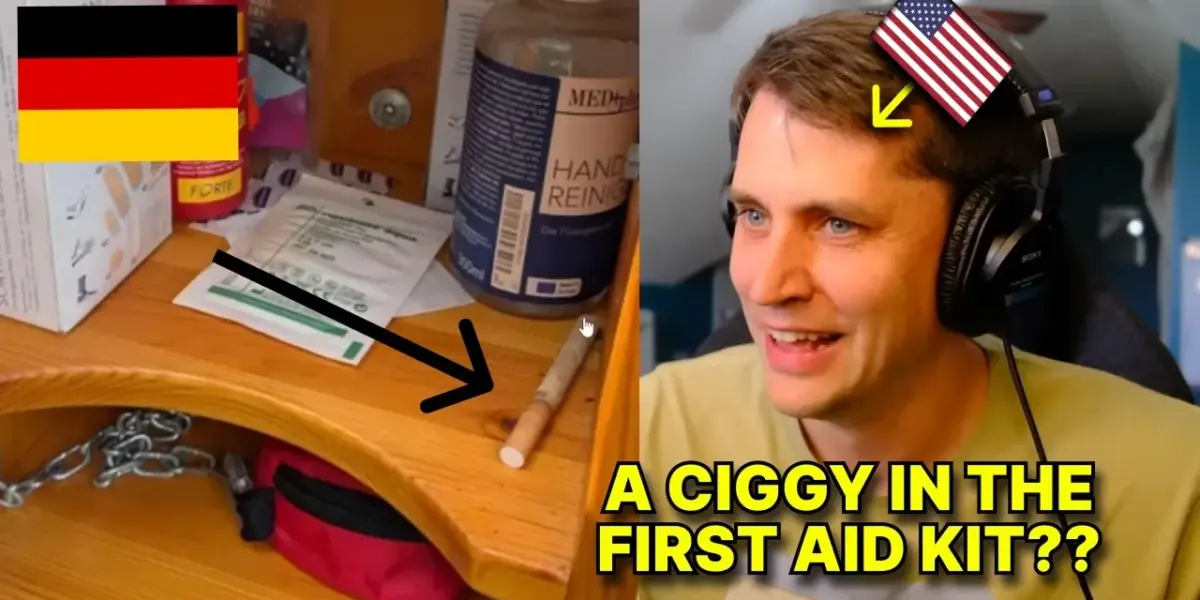
A recent look at popular posts from German online communities reveals a fascinating mix of everyday life, cultural quirks, and even minor disputes that define the German experience. One post that quickly gained attention featured a discovery made during a hike: a small package containing a cigarette, band-aids, and other items. This “hiking pharmacy” sparked amusement, with many finding it humorously ironic to find a cigarette as a primary survival tool.
The packaging itself, featuring a Euro sign and German text, immediately signaled its origin to many. It highlights a common perception of Germany as a place with distinct cultural markers, where even a simple survival kit can become a point of discussion. The idea of a cigarette being a top priority in a survival situation offers a lighthearted, yet telling, glimpse into certain cultural habits.
Citizenship, Politics, and Public Opinion
Beyond lighthearted observations, discussions also touched on more serious topics, including the process of becoming a German citizen. One user shared their lengthy, 22-month journey to obtain citizenship, expressing a sense of accomplishment. This shared experience highlights the significance of national identity and belonging for many living in Germany.
Political sentiment also surfaced, with commentary on the current federal government’s popularity. One post questioned the government’s achievements, describing their actions as a “management of decline.” While the internet often leans left, the strong negative reactions suggest a significant level of public dissatisfaction with certain political directions. This reflects a broader trend of questioning established leadership and seeking tangible results from those in power.
A Pope’s Bold Statements and German Aesthetics
International figures also made their mark, with Pope Francis being quoted on global issues. His criticism of a “handful of tyrants” and their military interventions drew attention, particularly in the context of US foreign policy. The Pope’s willingness to speak out, even against powerful nations, has been seen by some as a strong stance, with an American Pope making these pronouncements adding another layer of interest.
On a more aesthetic note, images of Nuremberg captured a romanticized view of German cities. Photos taken on 35mm film showcased narrow, cobblestone streets, evoking a sense of old-world charm. These visuals highlight the appeal of historical cityscapes and the appreciation for traditional German architecture and atmosphere.
The Infamous Schnitzel Dispute
Perhaps the most uniquely German story of the week involved a dispute over schnitzel preparation. In Bavaria, a 61-year-old man allegedly assaulted his neighbor over the noise made while pounding meat for schnitzel. This incident quickly became a symbol of German cultural stereotypes, involving rules, quiet hours, and a passion for culinary preparation.
The story gained further traction with the discovery of a subreddit dedicated to “schnitzel crimes,” cataloging questionable schnitzel presentations. This playful, yet serious, approach to food standards highlights a meticulousness often associated with German culture. The idea that there are official “schnitzel crimes” highlights a deep-seated attention to detail in many aspects of life.
Everyday Life and Consumer Culture
Discussions also touched upon practical matters like home maintenance and consumer choices. One user recounted a situation involving a broken water heater, where a landlord’s communication required translation, leading to a humorous exchange about ownership and responsibility. This situation illustrates common landlord-tenant dynamics and the occasional communication barriers that can arise.
Consumer preferences also sparked conversation. A strong endorsement of German mustard, described as the “greatest mustard ever,” led to a wish for its availability in the UK. The response, suggesting the user simply buy some and bring it back, exemplifies a direct and practical approach often attributed to Germans.
Even lawn care became a topic, with a question about who mows a large, beautifully maintained yard, only to reveal the homeowner himself. This showcases the pride taken in personal property and the effort involved in maintaining it. The mention of disc golf and a top German player adds another layer of niche cultural interest.
Why This Matters
These online discussions, from the mundane to the slightly absurd, offer a candid look at German society. They reveal a culture that values order and tradition, yet is also capable of humorous self-deprecation and passionate debate, even over something as simple as schnitzel. The engagement with these topics shows a public that is observant, opinionated, and connected through shared experiences and cultural touchstones.
Implications and Future Outlook
The persistence of these kinds of discussions online suggests a strong sense of community and identity among Germans, even when engaging with global platforms. The blend of serious political commentary with lighthearted observations about food and daily life indicates a balanced perspective. As Germany continues to evolve, these online conversations will likely remain a valuable barometer of public sentiment and cultural trends.
The future may see more of these uniquely German moments shared and debated online. The way Germans interact with their traditions, their politics, and each other through digital channels offers a continuous narrative of a nation finding its voice in the modern world. The next “schnitzel crime” or political debate is likely just a click away.
Source: Never change, Germany (YouTube)

Related Articles

German Parties Rethink ‘Firewall’ Against Far-Right AfD
Germany's long-standing 'firewall' against the far-right AfD party is cracking, especially in eastern towns where the party holds significant support. Local politicians are increasingly opting for pragmatic cooperation to address community issues, breaking with national policy. This shift raises questions about the future of German political isolation and its impact on democracy.

German Left Party Splits Over Zionism and Antisemitism Debate
Germany's Left Party is facing a significant internal rift over its stance on Zionism and antisemitism, fueled by the conflict in Gaza. A regional branch's resolution criticizing "real existing Zionism" has ignited a fierce debate about the ideology's link to suffering and concerns over antisemitism within the party itself.

AfD’s Policies Could Harm Its Own Voters Most
The AfD party's policy proposals present a paradox, potentially harming its own supporters most, according to analysis. The party's libertarian stance on taxes and social programs could hurt low-income voters who rely on them. This comes as mainstream parties struggle to connect with the working class.