MP Slams Trump as ‘Gangster’ Amid Mental State Fears
A British Member of Parliament has labeled Donald Trump a "dangerous and corrupt gangster" amid growing international concerns over his mental state. The criticism follows a series of erratic social media posts and threats, sparking questions about his fitness for office. International leaders and even some supporters are expressing alarm, with economic fallout and a breakdown of fear potentially leading to greater pushback.

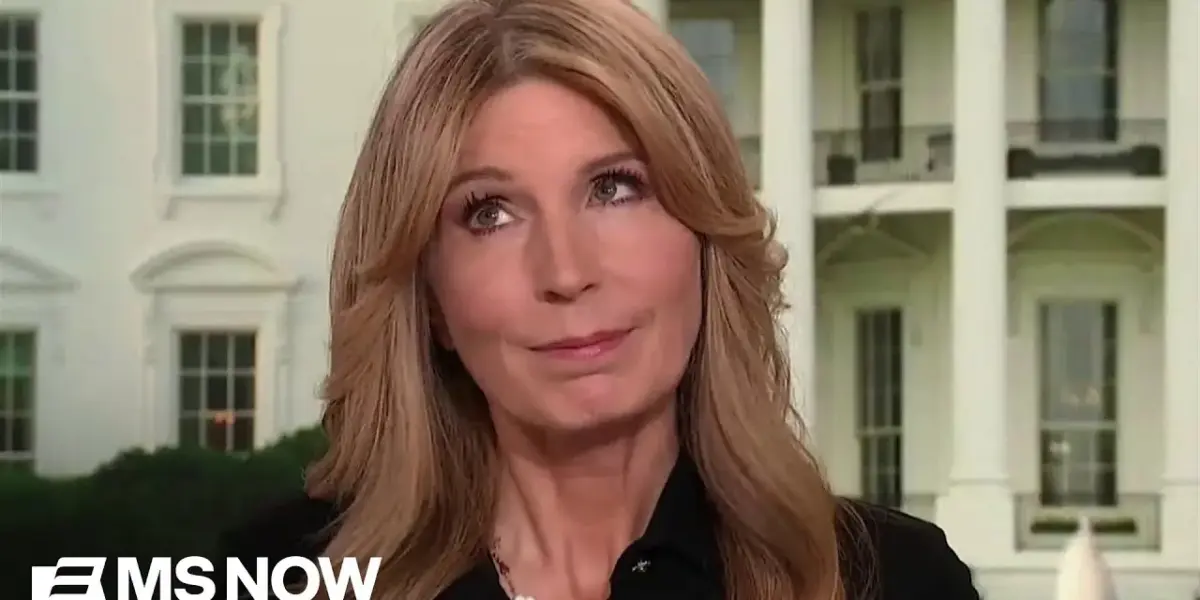
British MP Labels Trump ‘Dangerous Gangster’ Amid Growing Concerns
A member of British Parliament has sharply criticized Donald Trump, calling him a “dangerous and corrupt gangster” following a series of erratic public statements and social media posts. Edward Davey’s comments, made during a parliamentary session, reflect growing international unease about the U.S. president’s state of mind and its implications for global stability.
Davey’s strong words came after Trump issued a chilling threat, stating “a whole civilization will die tonight.” While Trump did not act on the threat, the statement was seen as a stark example of his “reckless, immoral, and completely outside the bounds of international law” behavior. The British MP declared Trump “no friend of the United Kingdom” and “no leader of the free world,” urging that he be treated as the “dangerous and corrupt gangster” he is.
Trump’s Social Media Activity Sparks ‘Is He Okay?’ Questions
Beyond the specific threats, a pattern of unusual social media activity has intensified questions about Trump’s mental state. Over a single 24-hour period, the president posted dozens of times, often in the early morning hours. These posts included a mix of foreign policy pronouncements, bizarre commentary, and even an AI-generated image of himself as Jesus, which he later claimed to believe was an image of him as a doctor.
The rapid-fire, often contradictory posts have led many, both domestically and internationally, to publicly question if Trump is “okay” or “all there.” Experts and commentators note that such behavior from any other public figure would typically trigger widespread discussion about their mental fitness. The sheer volume and content of Trump’s posts, especially given his position as the world’s most powerful leader, have made these evaluations essential.
Supporters Express Concern Over President’s Behavior
Even some of Trump’s supporters are voicing concern. While some dismiss the behavior as simply aging, others are disturbed by what they perceive as “blasphemy” and “demonic influences.” This internal questioning highlights a growing disconnect between the president’s actions and the expectations of even his base.
One individual, speaking anonymously, expressed a common sentiment: “He’s turning into a mean old man, whether it’s dementia or whatever it is, and he just screams at everybody.” The speaker added, “As you get older, technology does pass you by. Maybe he did think it was Jesus.
I’m not saying he didn’t. I don’t know the man.” The acknowledgment that “he’s just old” is a recurring theme among those trying to understand the president’s behavior.
International Leaders and Experts Voice Alarm
The international community is also watching closely, with some leaders openly challenging Trump’s approach. Ben Rhodes, former Deputy National Security Advisor to President Obama, noted the stark contrast between Trump’s rhetoric and the moral language used by figures like Edward Davey. Rhodes believes that Trump’s behavior has moved beyond policy differences into threats of violence and the destruction of civilization.
Rhodes also criticized the American media and the Democratic Party for at times “sanewashing” Trump’s actions, presenting them in ways that downplay their abnormality. He argued that Republican leaders are only now beginning to grapple with the consequences of years spent attacking political opponents, suggesting that their own political survival is at stake as constituents feel the economic impact of Trump’s policies.
Economic Fallout Fuels International Pushback
The economic consequences of Trump’s foreign policy decisions are becoming a significant factor in international pushback. British Parliament member Edward Davey specifically mentioned the “cost of living crisis” that is worsening globally, partly due to actions like Trump’s blockade of the Strait of Hormuz. He emphasized that allies must work together to find alternatives to Trump’s escalatory approach.
Davey highlighted that an “economic calamity” could ultimately serve as a pretext for action. He pointed out that even within the U.S., discussions about invoking the 25th Amendment or impeachment are often dismissed because they seem unlikely. However, he stressed that such measures become necessary when a leader’s actions threaten global stability and economic well-being.
Fear Gives Way to Resistance
The dynamic of fear that once seemed to compel capitulation to Trump is beginning to break, according to commentators. While universities and law firms may have once bowed to Trump’s influence, the current global situation demands a different response. International leaders, like Pope Francis, are speaking out without fear, recognizing that placating Trump may be more dangerous than confronting him.
Mark Carney, who recently won significant elections in Canada, campaigned strongly against Trump, demonstrating a shift in political strategy. The article suggests that this fear breaking is not just an international phenomenon; it is also happening within the United States, particularly as the Republican Party faces pressure from constituents affected by rising gas prices and economic instability.
Republicans Urged to Act Amid Shifting Political Tides
The article concludes by suggesting that the Republican Party’s historical tendency towards cowardice could lead to a mass shift in stance once the fear factor diminishes. If one Republican leader stands up to Trump, others may follow suit, fearing being left on the wrong side of a changing political tide. This potential herd mentality could finally force the party to act as a true branch of government, establishing necessary guardrails around the president’s behavior.
The shift is also visible in smaller acts of defiance. Canadians, for instance, are choosing domestic products over American ones and opting for local vacations instead of trips to Florida. These individual acts, multiplied millions of times, are sending a clear message of self-determination and resistance to policies that harm global economic stability.
Source: 'They're COWARDS': Nicolle on GOP fear of confronting Trump's DANGEROUS mental decline (YouTube)

Related Articles
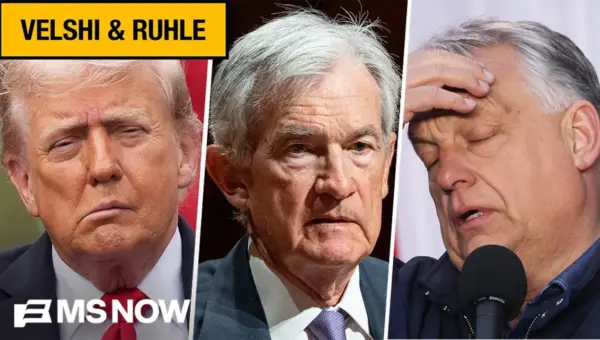
Trump Battles Fed Chair Over Rates, Faces Hungary Blueprint Loss
Donald Trump continues his public pressure campaign against Federal Reserve Chair Jerome Powell, demanding lower interest rates and even threatening to fire him. This conflict is now intertwined with an investigation into Powell's testimony regarding a Federal Reserve building renovation. Meanwhile, the article draws parallels to Hungary's recent election, where voters ousted Viktor Orbán, signaling a potential warning against concentrated power.
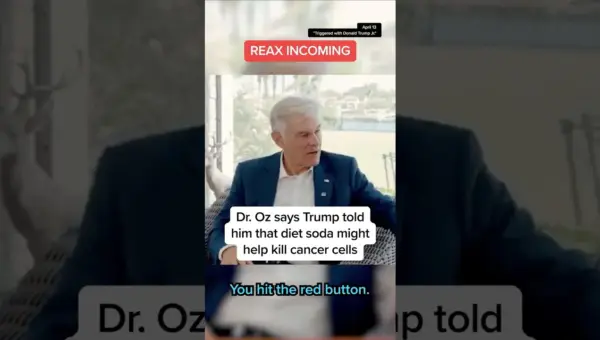
Dr. Oz Claims Trump Believes Diet Soda Fights Cancer
Dr. Mehmet Oz claims former President Donald Trump told him he believes diet soda may help kill cancer cells. Journalists Ali Vitali and Ali Velshi reacted to the assertion, with medical experts strongly refuting the unproven theory. The incident highlights concerns about health misinformation spread by public figures.


Trump’s Gas Price Claims Face Scrutiny Amid Shifting Statements
Donald Trump's recent statements on gas prices have shown inconsistency, raising questions amid global market influences. Separately, an AI-generated image depicting Trump as Jesus has sparked outrage among supporters and religious groups, prompting debate about faith, politics, and the candidate's messaging.