UN Faces Budget Cuts Amid Reform Push
The U.S. Senate Committee on Foreign Relations has advanced diplomatic nominations and held a hearing on UN reform, resulting in the UN's first-ever budget cut of $570 million. Ambassadors highlighted efforts to refocus the UN on core missions like peace and security, away from ideological agendas, while cutting inefficient programs and excessive benefits.

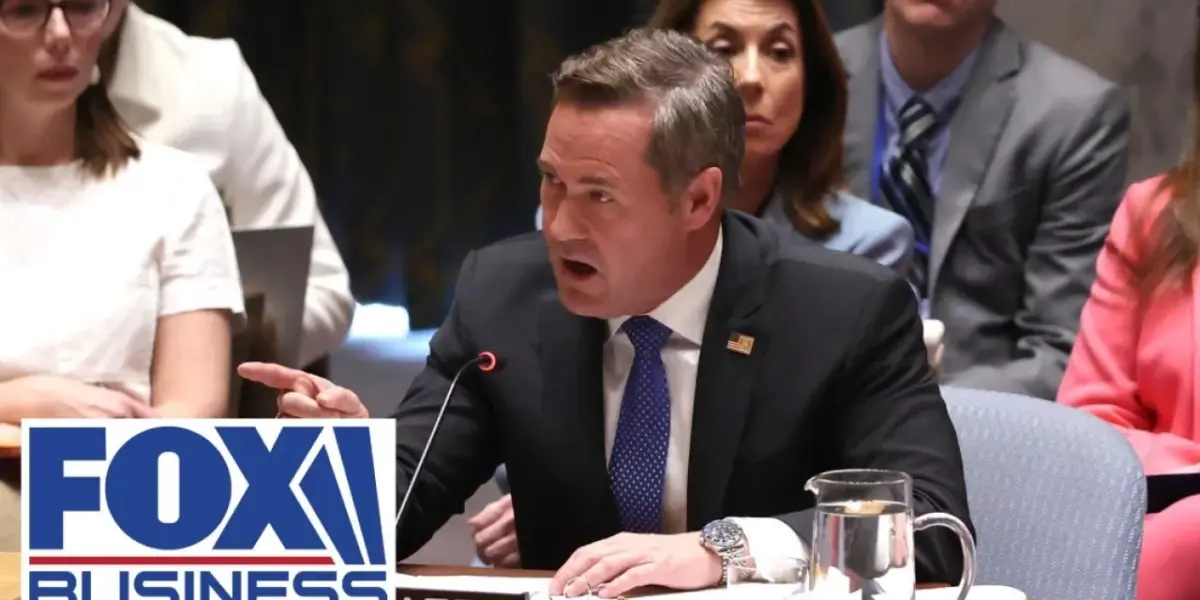
UN Faces Budget Cuts Amid Reform Push
The United States Senate Committee on Foreign Relations convened for a business meeting and a full hearing focused on reforming the United Nations. During the session, the committee moved forward with several nominations for key diplomatic roles, including nominees for Assistant Secretary of State for Educational and Cultural Affairs, United States Director of the African Development Bank, and Representative to the Association of Southeast Asian Nations (ASEAN).
The committee also addressed significant progress in approving foreign service officer lists. However, concerns were raised about the time it has taken to process these nominations. Senator Shaheen noted that it has been a year and a half into the current administration, and there are still ambassadors in place without confirmed nominees, urging the State Department to move more quickly on these important positions.
Diplomatic Nominations Face Scrutiny
During the business meeting, the nomination of Ms. Kate Dillon for Assistant Secretary of State for Educational and Cultural Affairs faced reservations. Senator Shaheen expressed concerns about Ms. Dillon’s preparedness and her plan to protect the ECA bureau from external efforts to undermine its programs. Senator Coons echoed these concerns, citing a lack of relevant experience and qualifications in the nominee, which he believes is critical for such a key role at the State Department.
Conversely, the nomination of Mr. Adewale Adeyemo for United States Director of the African Development Bank received support. However, Senator Shaheen pointed out an inconsistency: the administration has proposed zeroing out funding for the African Development Bank while simultaneously nominating someone to lead its U.S. representation. She urged the nominee to address these funding concerns.
The committee also unanimously approved sending three lists of foreign service officers, comprising a couple of hundred individuals, to the floor for confirmation. This was seen as significant progress, though Senator Shaheen emphasized the need for faster processing of such lists in the future.
Hearing Focuses on UN Reform and U.S. Priorities
The committee then turned to a hearing on reforming the United Nations, with testimony from Ambassador Mike Waltz and Ambassador Jeff Badros. The discussion highlighted the significant financial contributions the U.S. makes to the UN, paying at least 25% of its peacekeeping budget and 22% of its regular budget, in addition to billions in voluntary contributions over decades.
Ambassador Waltz stated that despite these substantial contributions, the American people have seen little return on their investment. He described the UN as an inefficient bureaucracy that has strayed from its core mission of maintaining international peace and security, now focusing on politicized mandates and what he termed “woke ideology.” He also noted deep-seated anti-American and anti-Israeli biases within many UN agencies.
Reforms and Challenges at the UN
Ambassador Waltz detailed recent reform efforts, emphasizing a mandate to put America first in foreign policy and ensure the UN works in the U.S. interest. He highlighted successes in areas like Gaza, where a U.S.-backed peace plan led to an international stabilization force, local Palestinian governance, and the movement of aid. A World Bank-managed fund, largely supported by regional partners, now focuses on reconstruction.
Similar approaches have been applied in Haiti, supporting a gang suppression force, and in Sudan, where the U.S. is pushing for humanitarian corridors. In Western Sahara, the U.S. is working to make progress on the long-standing conflict. The administration has also focused on closing or downsizing missions that have outlived their purpose, cutting approximately $200 million and reducing personnel in places like Lebanon, Iraq, Yemen, and Colombia.
A key reform, led by Ambassador Badros, addresses peacekeeping missions. Previously, troops were paid for their equipment regardless of use, creating little incentive for efficiency. Now, they must use the equipment, leading to cost savings and the ability to remove underperforming units or those accused of misconduct.
Budget Cuts and Future Outlook
A major achievement discussed was the UN’s first-ever budget cut in its history, achieved through a consensus process involving 190 nations. This cut is expected to save over half a billion dollars from the overall budget, reducing U.S. dues by over $100 million annually. The cut will also lead to the elimination of nearly 3,000 headquarters positions.
Ambassador Badros explained that the UN’s core strengths lie in delivering humanitarian aid at scale in remote locations with a robust supply chain. He urged the organization to focus on these areas and cease engaging in activities that are destructive to Western interests, freedom, and sovereignty. The reform effort aims to bring the UN back to basics: stopping conflicts, keeping peace, and delivering life-saving assistance.
Despite these reforms, challenges remain. UN civil servants earn 117% of what equivalent Americans make, with generous pension and benefit packages.
The administration is looking at reducing these excessive benefits. The overall goal is to align the UN with U.S. priorities and ensure American tax dollars are spent effectively.
Investor Takeaways
The Senate Foreign Relations Committee’s actions and the hearing highlight the U.S. government’s ongoing efforts to reform international institutions like the UN. Investors should note the administration’s focus on accountability and efficiency in global organizations that receive U.S. funding. The successful negotiation of a UN budget cut, saving over $570 million and eliminating nearly 3,000 positions, signals a trend towards greater fiscal discipline in international bodies.
The emphasis on returning the UN to its core mission of peace and security, rather than on ideological agendas, could reshape how international aid and development are approached. For those invested in global markets or companies with international operations, understanding these shifts in multilateral policy is crucial. The U.S. is advocating for a model of shared burden and tangible results, which could influence future international agreements and funding mechanisms.
The committee’s work, including the approval of diplomatic nominations and the push for UN reform, indicates a deliberate strategy to shape U.S. foreign policy engagement. This focus on effective diplomacy and fiscal responsibility at the international level suggests a long-term commitment to ensuring that global institutions serve the interests of their member states, particularly the United States.
Source: WATCH LIVE: Senate Foreign Relations Committee holds hearing on reforming the UN (YouTube)

Related Articles


Trump Eyes Pakistan Talks Amid Iran Blockade
President Trump announced potential new peace talks with Iran to be held in Pakistan within days, even as the U.S. enforces a blockade on Iranian ports. Negotiations are focused on Iran's uranium enrichment, with the U.S. seeking a 20-year suspension that Iran has reportedly countered with a 3-5 year offer.

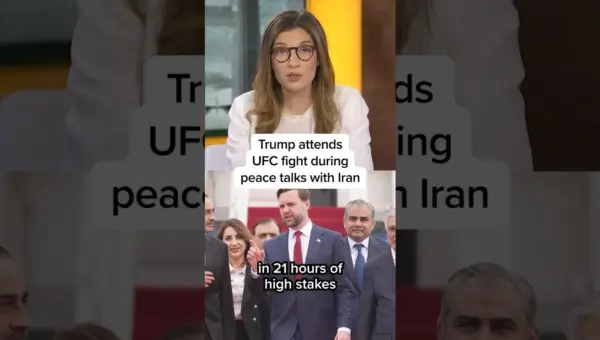
Trump Attends UFC Fight Amidst Iran Peace Talks
While Vice President JD Vance engaged in critical peace talks with Iran, President Trump attended a major UFC 'Light Heavyweight Championship' fight in Miami. This choice has drawn attention due to its timing during significant diplomatic efforts. The contrast highlights the ongoing scrutiny of political leaders' priorities and public appearances.


US, Iran Ceasefire Falters Ahead of Fragile Peace Talks
The United States and Iran are preparing for crucial peace talks in Pakistan this weekend, but the ceasefire between them is showing signs of strain. Acknowledging a 'lack of credibility' among parties involved, negotiators face a significant challenge in building trust. The outcome of these discussions holds major implications for regional stability.