Inside the Trenches: Ukraine’s Gritty Close-Combat Reality
Raw combat footage reveals the brutal reality of close-quarters trench warfare in Ukraine. Analysts discuss the tactics, dangers, and psychological toll faced by soldiers clearing enemy positions. The videos highlight the critical need for well-rounded troops and essential equipment.

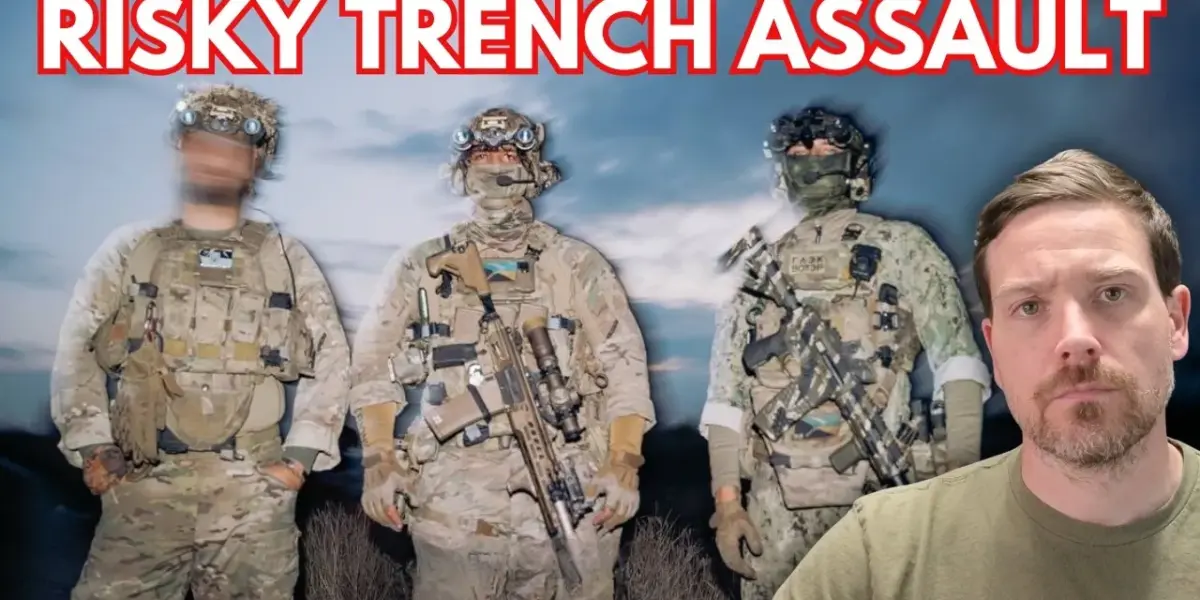
Inside the Trenches: Ukraine’s Gritty Close-Combat Reality
New combat footage offers a raw, first-person look at the brutal close-quarters fighting happening in Ukraine. These videos, shared by analysts like Vegas, reveal the intense and dangerous reality faced by soldiers clearing enemy trenches. They highlight the constant threat, the challenging terrain, and the split-second decisions required to survive.
The footage comes from units like the Third Assault Brigade, a highly effective group that emerged from the Azov movement. These soldiers are often veterans, handpicked for specialized tasks such as sniper reconnaissance.
Their mission requires them to move through dense tree lines, known as ‘padkas,’ which become the primary battlegrounds in Ukraine. These areas are crucial for cover, but also present immense dangers when crossing open ground between them.
The Nature of Trench Warfare
Clearing trenches involves a relentless cycle of shooting, grenade use, and rapid movement. Soldiers must advance through narrow, fortified positions, facing an enemy that may be dug in or attempting to flee.
The number of enemy fighters in a given area can vary greatly, from a few individuals to a larger, prepared unit. This unpredictability forces soldiers to constantly adapt their tactics.
The alignment of fighting positions can be complex, with defenders often staggered to provide overlapping fields of fire. While some Russian units may attempt to flee or surrender when caught off guard, others are prepared to hold their ground.
These prepared defenses can turn a routine clearing operation into a fierce firefight. The footage captures the sheer chaos and close proximity of these engagements.
Challenges on the Battlefield
Visibility is a major challenge, especially in dense foliage where soldiers can be mere meters apart, making identification difficult. While units use colored tape for identification, the environment itself can obscure targets.
Friendly fire is a concern, though experienced units often maintain close communication, usually within speaking or shouting distance. Recognizing landmarks and understanding the battlefield layout are critical for distinguishing friend from foe.
Drones have fundamentally changed warfare, making hiding from them difficult. While terrain can offer short-term concealment, persistent drone surveillance can lead to artillery strikes if a unit’s position is discovered. This forces a constant need for movement to avoid being pinned down, as attempts to remain static often draw overwhelming enemy resources.
The Constant Threat of Mines
Mines represent a pervasive and deadly threat. While drone reconnaissance can sometimes identify minefields, they are not always marked.
Many mines are buried, making them nearly impossible to spot, even for trained soldiers. The sheer volume of mines laid by both sides over years of conflict means they are scattered across vast areas, creating a dangerous and unpredictable environment.
Casualties from older, unexploded ordnance are also common due to the constant back-and-forth of front lines. Both Ukrainian and Russian forces have extensively used mines, creating a landscape riddled with hidden dangers that are difficult to track or clear.
Taking and Holding Ground
When an assault is successful, soldiers typically take enemy positions and dig in. However, this is often just the beginning of a new challenge.
The enemy will likely respond with mortars and artillery, forcing the occupying forces to dig in even harder to withstand barrages until reinforcements arrive to relieve them. This process allows the assault unit to withdraw.
Even small, squad-sized units must be capable of taking ground, despite the risks of moving in larger numbers. Larger groups attract more enemy attention and resources, making them a higher priority target. Therefore, smaller units must advance cautiously, relying on their ability to move undetected, even though they may not be sufficient to hold the position long-term without support.
The Psychological Impact of Foreign Fighters
The footage also touches on the psychological aspects of the conflict. In some cases, when enemy soldiers hear English speakers outside their bunkers, they choose to end their own lives rather than be captured.
This behavior might stem from a fear of mistreatment or a distorted perception of foreign fighters. It highlights the intense psychological pressure and the varied responses to capture.
The analysis emphasizes that success in such operations requires well-rounded soldiers. They must possess a blend of infantry tactics, reconnaissance skills, and an understanding of camouflage, mine awareness, and close-quarters combat. Being adaptable and proficient in multiple areas is key to surviving and succeeding in the complex environment of modern trench warfare.
Why This Matters
This firsthand perspective is crucial for understanding the human cost and tactical realities of the war in Ukraine. It moves beyond abstract strategy to show the ground-level challenges faced by soldiers.
The footage highlights the importance of specialized units, the evolution of combat tactics due to technology like drones, and the enduring brutality of trench warfare. It also is a reminder of the ongoing need for support for these units, such as the fundraiser mentioned for Azov’s First Assault Core units needing optics.
Looking Ahead
The conflict shows no signs of abating, and the tactics displayed in this footage are likely to remain relevant. As technology continues to evolve, so too will the methods used to counter it, making adaptability and comprehensive soldier training paramount. The ongoing need for basic equipment like quality optics for specialized units like Fog (Tuman) demonstrates that even advanced units require consistent support to maintain their effectiveness.
The next part of this analysis, featuring more clips, is expected to be released soon, continuing to clarify the front lines.
Source: POV Analysis of a Close Quarters Trench Fight (YouTube)

Related Articles


Italy, Ukraine Forge Defense Pact on Drones
Italy and Ukraine have agreed to explore joint production of drones and defense equipment, expanding military cooperation. Prime Minister Meloni reaffirmed Italy's support for Ukraine, emphasizing strategic necessity for European security. President Zelenskyy highlighted the need for enhanced air defense amidst ongoing Russian attacks.

Ukraine’s Defenses Hold Against Russian Advances
Russian forces face strong Ukrainian defenses in Zaporizhzhia, with Ukrainian intelligence effectively identifying and capturing enemy soldiers. Matthew Samson, a former U.S. Marine and volunteer, reports on the ground situation, highlighting Ukrainian resilience, advanced tactics, and the importance of international cooperation.

Ukraine Deploys Robot Army to Recapture Territory
Ukrainian President Volodymyr Zelenskyy announced that Ukrainian forces used robots and drones to recapture territory from Russian soldiers without any human losses. While hailed as a potential breakthrough, the announcement has been met with skepticism, seen by some as a strategic public relations move. This development highlights Ukraine's increasing reliance on advanced drone technology in the ongoing conflict.