Trump Battles Fed Chair Over Rates, Faces Hungary Blueprint Loss
Donald Trump continues his public pressure campaign against Federal Reserve Chair Jerome Powell, demanding lower interest rates and even threatening to fire him. This conflict is now intertwined with an investigation into Powell's testimony regarding a Federal Reserve building renovation. Meanwhile, the article draws parallels to Hungary's recent election, where voters ousted Viktor Orbán, signaling a potential warning against concentrated power.

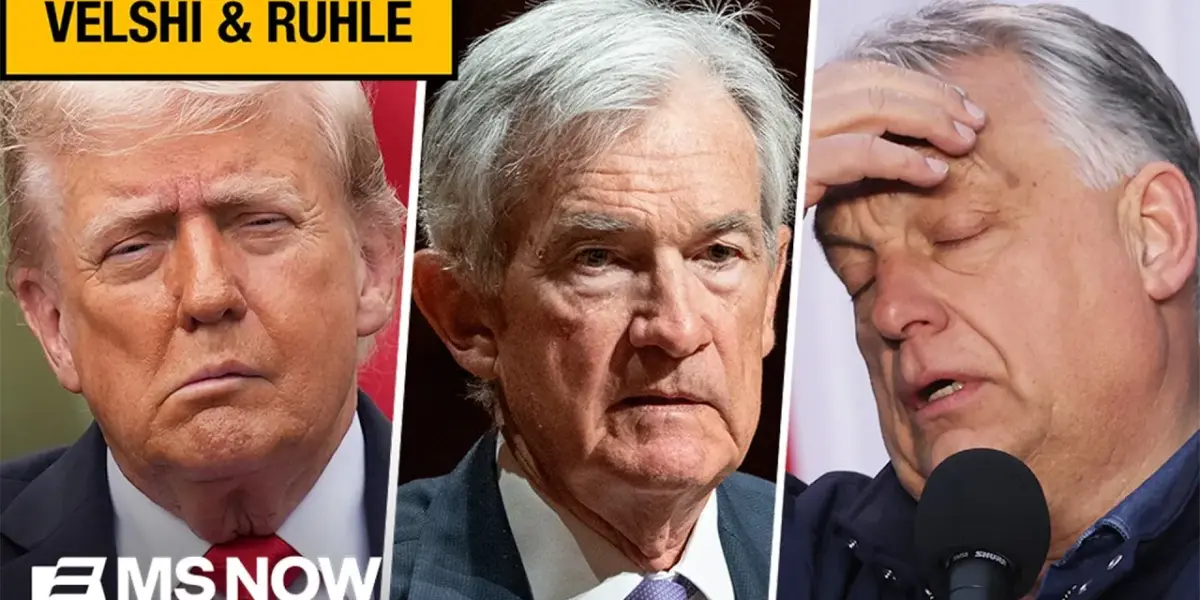
Trump Intensifies Attack on Federal Reserve Chair Powell
Former President Donald Trump has renewed his public attacks on Federal Reserve Chair Jerome Powell, urging him to lower interest rates. Trump appointed Powell as Fed Chair in 2018, a move presidents typically avoid during a Fed chair’s term. Historically, presidents prefer lower interest rates, believing it stimulates the economy, makes borrowing cheaper for consumers and businesses, and potentially boosts home prices.
However, Powell is resisting pressure to cut rates prematurely, citing concerns about inflation. The Federal Reserve aims to lower interest rates only when it’s economically appropriate, not on a political timeline. This stance has led to significant friction between Trump and Powell, with Trump threatening to fire Powell if re-elected, despite Powell’s term ending in May.
Renovation Controversy Fuels Conflict
The dispute has escalated beyond interest rates, with Trump now accusing Powell of mismanagement and potential misconduct related to a renovation project at the Federal Reserve building. Trump publicly questioned a reported increase in the renovation’s cost, from $2.7 billion to $3.1 billion, during a press conference outside the Fed.
This focus on the renovation has been framed as a politically motivated investigation, potentially to discredit Powell. Some analysts suggest this tactic distracts from the core issue: Trump’s desire for lower interest rates to boost the economy before an election. The investigation into Powell’s testimony about the renovation has put lawmakers, like Senator Tim Scott, in a difficult position, balancing their duties with political pressure.
Hungary’s Election Offers a Warning, Analysts Say
The article also draws parallels between Trump’s actions and political trends in Hungary. Recent elections in Hungary saw the ousting of Prime Minister Viktor Orbán after 20 years in power. Orbán’s government had been criticized for consolidating power, controlling media, and using legal intimidation tactics against opponents.
Despite the election outcome, Hungarian politics remain largely right-wing and anti-immigrant. However, voters expressed dissatisfaction with what they perceived as oligarchic control and a lack of fairness in the system. This outcome is seen by some as a potential lesson for American democracy, emphasizing the importance of honesty and fairness within governmental structures.
‘Knee-Jerk Loyalty’ and Foreign Policy Concerns
The discussion extends to broader concerns about political loyalty and foreign policy decisions. The administration’s approach is described as expecting “knee-jerk loyalty” from the public and allies, with a lack of clear communication regarding military actions. This is contrasted with past administrations that made efforts to explain complex foreign policy decisions to the American people.
The article questions the administration’s strategy in global conflicts, noting the lack of clear objectives and the potential for prolonged engagements. The absence of formal declarations of war, instead using terms like “police action” or “special military operation,” is highlighted as a way to bypass necessary congressional approval and public debate.
Selective Service Modernization and Draft Questions
A separate segment addresses public questions about the Selective Service System. Officials clarify that there is no active draft occurring and no one is currently being called up. However, changes are being made to modernize the registration process.
Starting in December, the system will become more automated, using existing records from Social Security and the DMV to register individuals. This is a significant update to the mechanism, aiming to streamline the process without reinstating a mandatory draft. Lawmakers generally do not appear to have an appetite for bringing back the draft, despite public discussion and concerns fueled by ongoing international conflicts.
Geopolitical Focus: Iran, Cuba, and Venezuela
The ongoing situation in the Middle East, particularly concerning Iran, is discussed in the context of its impact on daily life. Rising oil prices due to regional tensions affect everything from transportation costs to the price of goods. The stock market’s volatility is also noted as a consequence, though younger investors are advised not to overly worry about their 401(k)s in the short term.
The foreign policy approach, potentially influenced by figures like Senator Marco Rubio, is seen as focusing on countries like Cuba and Venezuela. The economic hardships faced by Cuba due to oil embargos are detailed, suggesting a potential crisis unfolding there. The article urges close observation of developments in Cuba, viewing it as a critical point for understanding the administration’s future foreign policy direction.
Source: Trump threatens Fed Chair (again) | Hungary ‘blueprint’ LOSS | 'Knee jerk' loyalty to Trump (YouTube)

Related Articles
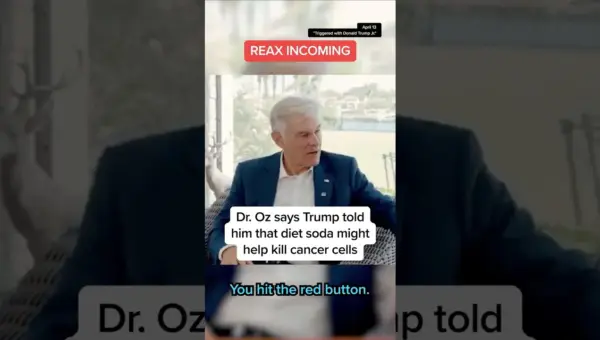
Dr. Oz Claims Trump Believes Diet Soda Fights Cancer
Dr. Mehmet Oz claims former President Donald Trump told him he believes diet soda may help kill cancer cells. Journalists Ali Vitali and Ali Velshi reacted to the assertion, with medical experts strongly refuting the unproven theory. The incident highlights concerns about health misinformation spread by public figures.

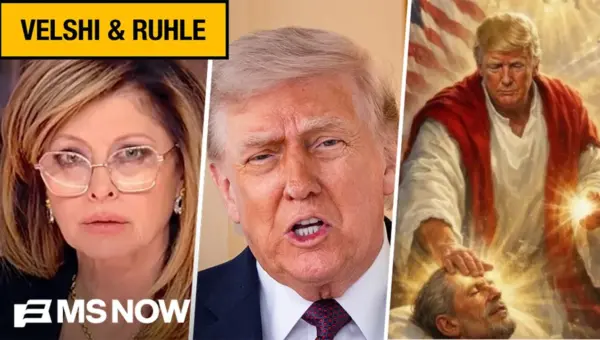
Trump’s Gas Price Claims Face Scrutiny Amid Shifting Statements
Donald Trump's recent statements on gas prices have shown inconsistency, raising questions amid global market influences. Separately, an AI-generated image depicting Trump as Jesus has sparked outrage among supporters and religious groups, prompting debate about faith, politics, and the candidate's messaging.

Trump Faces Backlash Over War Costs and ‘AI God’ Post
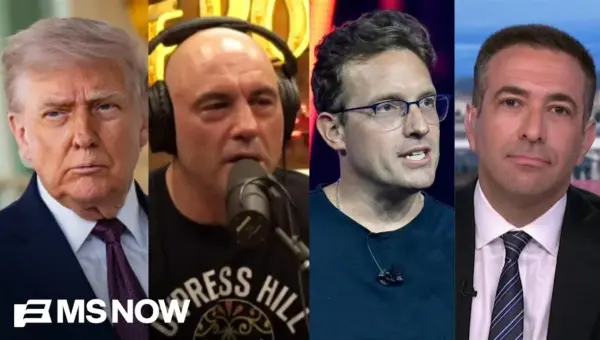
President Trump faces mounting criticism over a costly war, rising gas prices, and controversial social media posts, alienating some supporters. Inconsistent statements on the war's duration and a deleted AI-generated image of Jesus have fueled discontent. Even prominent influencers and some Republican officials are voicing concerns about his leadership and coherence.