MAGA Stalwarts Blame Everything But Trump for Woes
Prominent MAGA figures like Steve Bannon and Eric Bolling express deep worries about Republican electoral prospects. However, their blame for the party's struggles falls on everything but Donald Trump, revealing a critical disconnect. Their focus on vague threats like "wokeism" distracts from the former president's role in alienating voters.

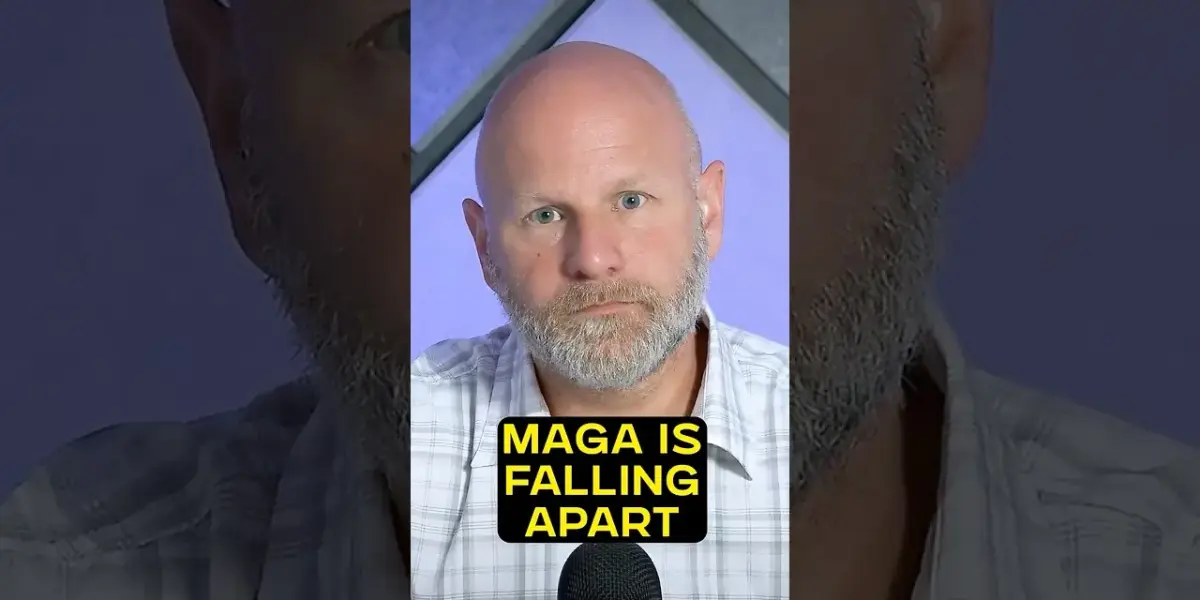
MAGA Stalwarts Blame Everything But Trump for Woes
The influential MAGA movement, once seemingly unified behind Donald Trump, is showing signs of internal friction. Prominent voices within the movement are expressing deep concern about the Republican Party’s prospects in upcoming elections. However, their analysis stops short of identifying the most obvious cause of their struggles: the former president himself.
Bannon and Bolling’s Concerns
On Steve Bannon’s program this past week, he hosted Eric Bolling, a former Fox News personality. The two engaged in a lengthy discussion expressing worry about the United States’ future should Democrats win control of Congress in the upcoming midterm elections. They believe the Republican Party is significantly damaged, leading them to fear a Democratic victory.
What is striking about this conversation is how close Bannon and Bolling come to understanding the core issue. They acknowledge the Republican Party is in a state of disarray. Yet, they seem unwilling or unable to admit that Donald Trump is the primary reason for this mess. They see a big problem but can’t pinpoint its source.
Economic Fears and Election Anxiety
Bolling voiced immediate anxieties, urging decisive action. “I think today is a day of hold your breath, so to speak,” he stated, referring to oil markets, financial markets, and even “humanitarian market” concerns. He called for “ripping the freaking band-aid off” to deal with the fallout immediately rather than face more difficult consequences later.
His hope was that swift action would lead to increased oil and gas production. This, he believed, could lower prices and prevent the economic pain from hurting Republican chances in the midterms. Bolling repeatedly stressed the importance of these upcoming elections, noting that many are dismissing their significance.
The Specter of “Wokeism”
The discussion quickly turned to the fear of a Democratic sweep, often framed as a return to “wokeism.” The term itself seemed to be a point of confusion and frustration. One speaker questioned, “What is it? What does that mean?” This sentiment suggests a lack of clear definition and perhaps an overreliance on a buzzword to explain complex political outcomes.
The frustration with “wokeism” seemed personal for Bolling, with a jab suggesting it might stem from his departure from Fox News. “Are you still mad that you got fired from Fox News, buddy? Is that what this is?” the speaker asked. The implication was that the anger over being unable to “harass people no more” was being misattributed to a broader political movement.
Bannon Escalates the Warnings
Steve Bannon amplified these concerns, painting an even bleaker picture. He warned that a Democratic victory would be “so much worse than that.” He drew a stark parallel, calling it “the moral equivalent of what President Trump is warning the Iranians about right now.” This suggests a belief that Democrats pose an existential threat.
Bannon predicted immediate impeachment proceedings against Trump if Democrats gain power. He described the ensuing period as “hell,” with Democrats allegedly “raining hell down on the White House.” He characterized Democrats with extreme labels, calling them “Marxist jihadists.” These strong accusations highlight a deep-seated animosity and fear within segments of the MAGA movement.
Why This Matters
This internal dialogue reveals a critical disconnect within the MAGA movement. While acknowledging electoral challenges and economic anxieties, key figures like Bannon and Bolling are deflecting blame from Donald Trump. This inability to confront the former president’s role in alienating voters and damaging the party’s image is a significant obstacle to Republican success.
The focus on vague threats like “wokeism” and extreme labels for opponents distracts from a more fundamental problem: the party’s continued devotion to a figure who has become a liability for many moderate and independent voters. This self-imposed blindness prevents them from developing effective strategies to broaden their appeal and win back crucial demographics.
Historical Context and Future Outlook
The Republican Party has a long history of internal debates and strategic shifts. However, the current era is marked by an unprecedented level of loyalty to a single individual. This loyalty, while powerful for mobilizing a base, has also led to the alienation of traditional Republican voters and the perception of the party as extreme.
The current situation echoes past moments where parties have struggled to adapt to changing demographics and political landscapes. However, the intensity of the MAGA movement’s focus on Trump makes this period particularly challenging. If the party continues to prioritize loyalty to Trump over broader electoral appeal, its chances of regaining widespread support will diminish.
The upcoming midterms will be a crucial test. If the predicted Democratic gains materialize, it will be difficult for MAGA leaders to continue blaming external factors. The trend suggests a continued struggle for the Republican Party unless it can find a way to address its internal divisions and broaden its message beyond its core base. The future outlook depends heavily on whether the movement can move past its current anxieties and confront the real reasons behind its perceived struggles.
Source: MAGA is falling apart! (YouTube)

Related Articles

Judge Tosses Trump’s $10B Lawsuit Against WSJ
A federal judge has dismissed former President Donald Trump's $10 billion lawsuit against The Wall Street Journal. The judge ruled that Trump's team failed to prove 'actual malice' by the newspaper. Trump's legal team stated they will continue to fight against what they call 'fake news'.

Trump’s ‘Jesus’ Image Sparks Outrage, Laughter
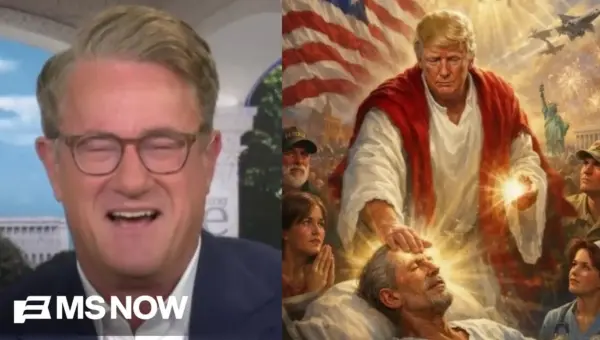
Donald Trump's Easter social media post depicting himself as Jesus Christ sparked widespread outrage and disbelief, leading to the image's swift deletion. His subsequent claim that he thought the image was of himself as a doctor was met with derision, with critics citing biblical ignorance and blasphemy. The incident occurred amid broader criticism of Trump's remarks about Pope Francis, further fueling debate about faith and politics.


Trump Cleans House Amidst Growing Chaos
President Trump's recent cabinet shake-ups reveal a pattern of prioritizing loyalty over competence. With a depleted talent pool and a leader who shuns advice, the administration faces increasing chaos and uncertainty, impacting both domestic policy and global stability.