Iran Nuclear Threat Looms; Economy Sees Tax Refunds Boost
Americans are receiving larger tax refunds this year, with the IRS reporting an 11% increase. However, rising oil prices due to conflict in Iran are creating economic headwinds. Lawmakers are also debating how to fund the Department of Homeland Security amidst geopolitical tensions.

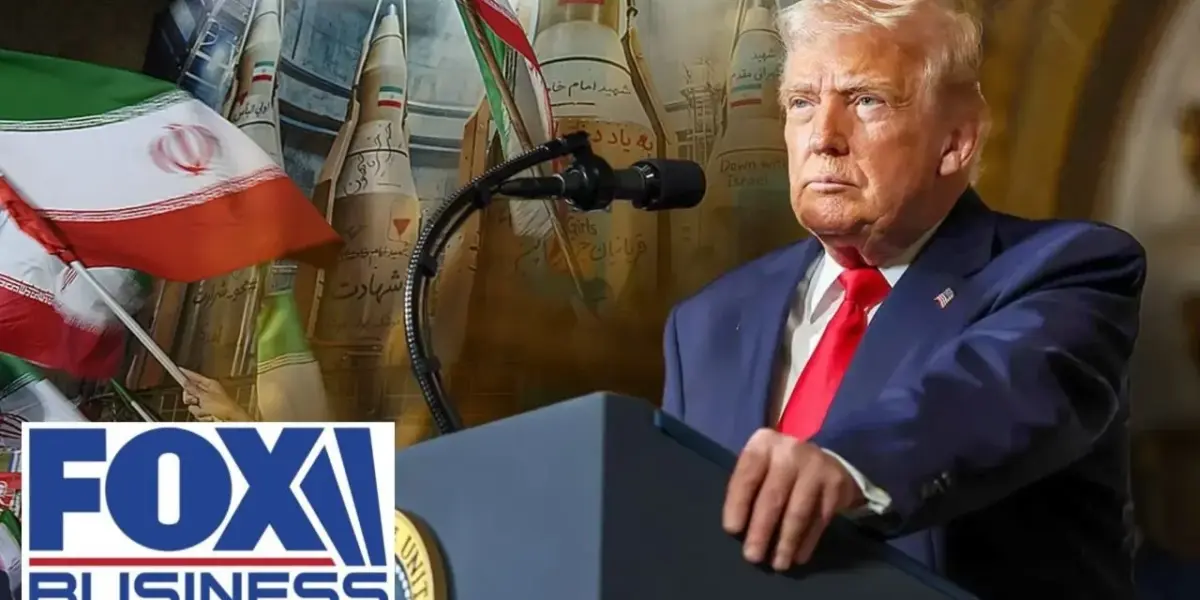
Iran Nuclear Threat Looms; Economy Sees Tax Refunds Boost
As tax season nears its end, Americans are seeing larger refunds, with the IRS reporting an 11% increase this year. The average refund now tops $3,400, a change attributed by some to recent tax reforms. However, rising oil prices, nearing $100 a barrel due to conflict in Iran, cast a shadow over economic messaging ahead of the midterm elections.
Tax Refunds Offer Economic Relief
President Trump highlighted significant tax refunds being sent to Americans, noting one individual saved over $11,000 by not having to claim tips. The Internal Revenue Service (IRS) confirmed that refunds are up 11% compared to last year. The average refund check now stands at over $3,400. Officials credit these economic changes to tax reform measures passed by Congress, aiming to put more money back into the pockets of working families.
Geopolitical Tensions Rise with Iran
Meanwhile, the conflict in Iran has pushed oil prices back near $100 per barrel. This surge in energy costs could complicate the economic narrative for Republicans heading into the midterm elections. Congressman Jodey Arrington commented on the situation, emphasizing that the primary role of the federal government is national security. He expressed concern over perceived weakness and instability, stating that empowering adversaries for four years under the current administration has led to appeasement and empty rhetoric.
“We have an imminent threat of a nuclear Iran that is not possible,” Arrington stated. “The President is willing to become the Commander-in-Chief we need right now.”
Economic Messaging and Future Outlook
Arrington believes the focus must remain on economic well-being, including controlling the cost of living and inflation. He described inflation as the most regressive tax on working families. The recent tax cuts and efforts to curb excessive spending are seen as contributing factors to increased investment, rising wages, and larger refund checks. The Congressman expressed optimism that energy prices will recover, allowing the economy to operate at full capacity by November. He also suggested that trade deals could improve as they settle, provided there is strong leadership.
Market Resilience Amidst Global Uncertainty
Despite the escalating tensions in Iran, the broader U.S. stock market has shown remarkable resilience. The S&P 500 closed above its February 27th level, indicating that the market has largely returned to its pre-conflict standing. This performance is considered astonishing by some analysts, given the geopolitical backdrop.
Homeland Security Funding Debate
Lawmakers are returning to Capitol Hill with the Department of Homeland Security (DHS) still facing a shutdown. Senate Republicans are exploring the use of reconciliation bills to secure multi-year funding for Immigration and Customs Enforcement (ICE) and Customs and Border Protection (CBP). This strategy aims to pass funding measures without needing Democratic votes.
The concept of a “skinny reconciliation bill,” as described by Larry Kudlow, is being debated. Some believe a more substantial bill, including funding for homeland security and perhaps measures related to the conflict in Iran and future war readiness, would be more impactful and politically advantageous for Republicans. The aim is to support critical security operations and address what is seen as a failure by Democrats to govern effectively.
Potential Use of Reconciliation
Reconciliation is a legislative process that allows certain bills to pass the Senate with a simple majority, bypassing the need for 60 votes to end a filibuster. Republicans are considering using this tool to pass full or partial DHS funding, or to support ongoing efforts related to Iran and future military preparedness. They also aim to identify and offset wasteful spending.
Future Political Considerations
The article briefly touches on political developments, including a mention of Congressman Eric Swalwell’s potential resignation. The focus remains on the political maneuvering surrounding funding bills and the broader economic and security challenges facing the nation. The upcoming midterm elections are a significant backdrop to these legislative and economic discussions.
Source: There is an imminent threat of a nuclear Iran and it's unacceptable, GOP lawmaker says (YouTube)

Related Articles


Iran Blockade Shifts Global Oil Flow to U.S.
A blockade in the Strait of Hormuz has triggered a major shift in global oil supply routes, with supertankers now heading to the U.S. Gulf Coast. Despite geopolitical tensions, markets remain resilient, and corporate profits are projected to rise.


Oil Prices Dictate Market Moves, Expert Says
Oil prices are a key indicator, dictating stock market direction as prices above $100 per barrel correlate with market downturns. Despite mixed consumer sentiment signals, the economy shows resilience with stable employment. Investors are watching earnings reports closely as estimate increases slow, while valuations become more reasonable amidst persistent inflation concerns.

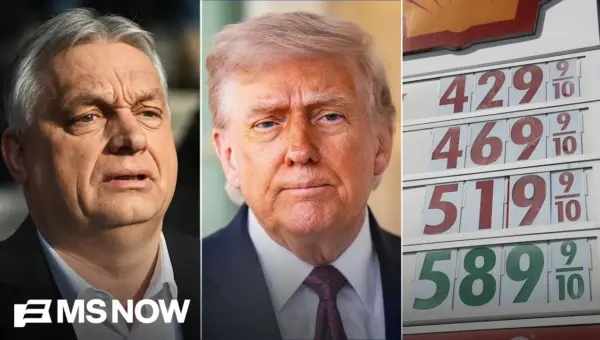
Trump’s Iran Blockade Gamble: High Stakes, Uncertain Rewards
The U.S. has launched a naval blockade of Iranian ports, aiming to cripple Iran's economy and oil exports. This move escalates tensions and risks higher global oil prices. Despite claims of international support, allies remain hesitant, raising questions about the strategy's effectiveness and its potential to backfire.