Billy Bragg Reclaims English Identity from Divisive Forces
Musician Billy Bragg has launched "A Very English Chat," an initiative to redefine English identity beyond divisive rhetoric. The project asks the public to nominate objects for a "Museum of England" to foster a shared sense of belonging and inclusivity. Bragg aims to reclaim national pride from extremist interpretations.

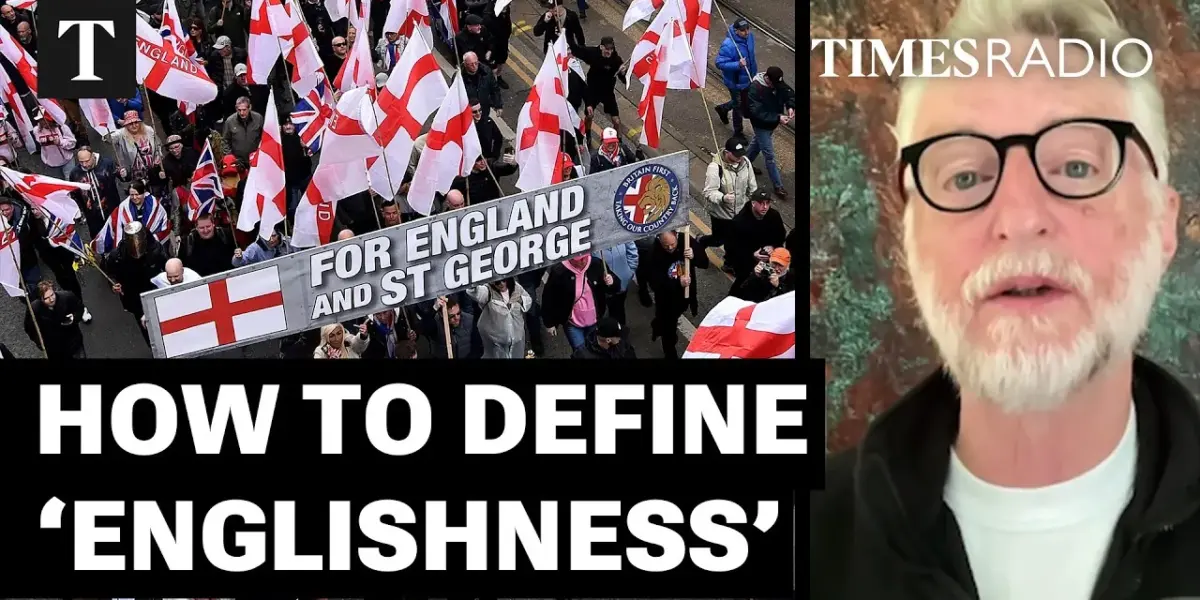
Musician Launches ‘A Very English Chat’ to Redefine National Identity
Musician and activist Billy Bragg has launched a new initiative called “A Very English Chat.” The project aims to reclaim English identity from those who use it to divide people. Bragg believes the conversation around Englishness has been too often dominated by anger and division.
Addressing a ‘Vacuum’ in English Identity
Bragg explained that Scotland has institutions like a parliament and a national museum that help define Scottish identity. Immigrants in Scotland can learn about the country’s history and how others have contributed to it. England, however, lacks a similar central place for understanding its identity.
This absence creates a space where symbols like the St. George’s flag can be used without clear context. Bragg noted that some people might see the flag as a symbol of pride, while others might associate it with the kind of divisive protests seen in Manchester. His campaign seeks to fill this void with a more inclusive understanding.
‘A Very English Chat’ Seeks Public Input
The core of “A Very English Chat” involves asking people to suggest their top five objects that represent what Englishness means to them. This crowdsourced approach aims to build a shared understanding rather than imposing a single definition.
“We’re asking people to give us their top five objects that they would put in a museum of England so that we can everybody can come together with their idea,” Bragg stated. The goal is to create common ground for discussing English identity, preventing it from being solely defined by those who seek to divide.
Beyond the Flag: Everyday Objects Define Englishness
Bragg himself has contributed to the list, notably including Marmite. He sees Marmite as a quintessentially English item because, like many aspects of English culture, people either love it or hate it. This reflects his view that Englishness isn’t about rigid conformity.
“It’s nobody wants to be told that you have, you know, you’re not English if you don’t like Morris dancing,” he said. The campaign encourages a wide range of contributions, embracing the eclectic nature of national identity. Over 3,000 people have already shared their ideas, with a list of 50 compiled objects set to be released on St. George’s Day.
Progressive Patriotism and Inclusivity
Bragg identifies as a “progressive patriot.” He distinguishes this from jingoistic or traditional patriotism, which he feels can be exclusive. For him, true patriotism involves upholding values like tolerance, accountability, and respect for others.
He finds patriotism in England’s diversity, calling it one of the most diverse countries globally. Bragg pointed out that mixing and adapting influences has always been a strength of England, dating back to the Anglo-Saxon period. This inclusive view contrasts sharply with definitions of Englishness based on exclusion.
Recapturing the Narrative of Symbols
The discussion touched on the English flag, which some people feel nervous displaying due to fears of being misunderstood. Bragg offered the example of the Lionesses winning the Women’s European Championship, where young people waving the English flag were not met with accusations of racism.
He emphasized that context is key. The flag’s meaning can change depending on how and when it is used.
Bragg argued that figures like Tommy Robinson, a convicted football hooligan and alleged racist agitator, should not define what it means to be English. He believes everyone has a stake in shaping this narrative to prevent it from being based on skin color or ethnicity.
A Diverse List for a Diverse Nation
Bragg shared four more items from his personal list for the “Museum of England.” These include the ancient Uffington White Horse, George Orwell’s book “The Lion and the Unicorn” (which he sees as foundational for progressive patriotism), William Blake’s poem “Jerusalem” (which he believes should be England’s national anthem), and Nobby Stiles’ false teeth from England’s 1966 World Cup victory.
These diverse items represent different facets of English history, culture, and values. From ancient art to literary ideals and sporting moments, they offer a broad picture of national identity. The campaign “A Very English Chat” is accepting submissions at averyenglishchat.org.uk.
Source: Billy Bragg: English Identity Shouldn’t Be ‘Defined By Those Who Divide Us’ (YouTube)

Related Articles


Hungary Votes: Orban’s Illiberal Democracy Tested
Victor Orban has secured another term as Hungary's leader, continuing his 'illiberal democracy' model. This approach prioritizes majority rule and national interests, often challenging traditional democratic guardrails. Orban's victory has implications for the wider European Union and global trends in nationalism.


Trump Allies Back Hungarian Leader Orban Ahead of Vote
Hungary's general election on Sunday features Viktor Orban facing a strong challenge from Peter Magyar. Allies of former US President Trump, like JD Vance, are actively supporting Orban's nationalist agenda. A win for Orban could mean continued friction with the EU, while a Magyar victory might shift Hungary back towards closer European ties.

Hungary Votes: A Nation’s Choice for Peace and Security
As Hungary approaches a crucial vote, a powerful message is being broadcast urging citizens to choose peace, security, and a humane future. Speakers invoke historical struggles for freedom, calling for a step-by-step rebuilding of the nation. The appeal emphasizes personal responsibility in shaping the country's destiny for future generations.