Congressman Calls Iran’s Regime ‘Demonic’ Amid Tensions
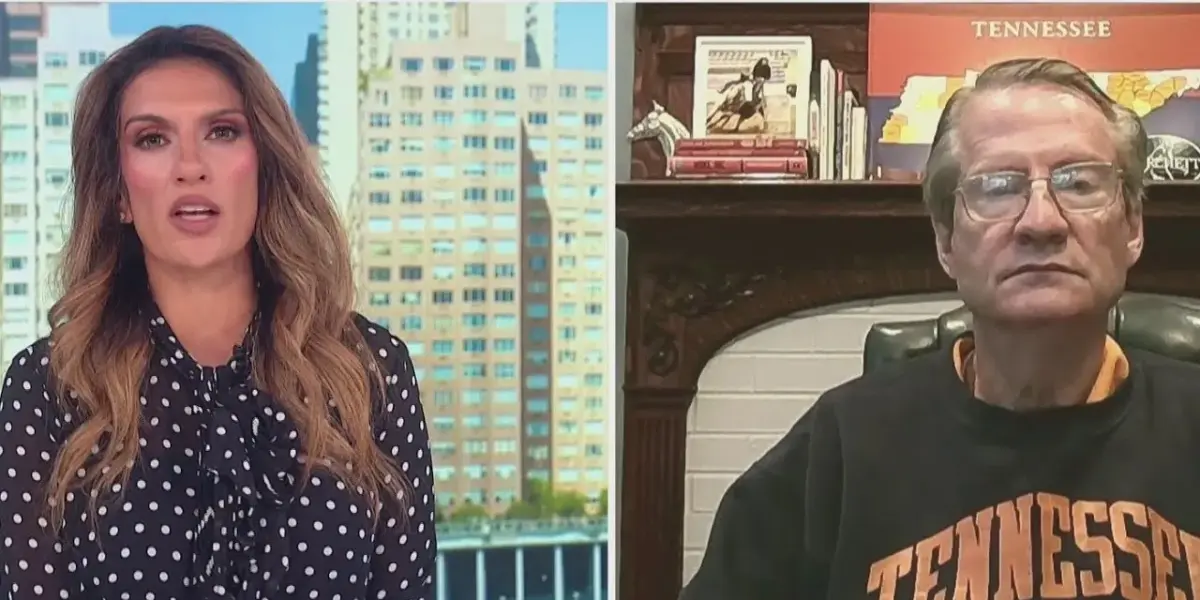
Congressman Tim Burchett described Iran's regime as "demonic" and "savage" during a recent interview. He expressed strong concerns about Iran's nuclear ambitions and the effectiveness of current international alliances. Burchett believes the regime represents a small portion of the Iranian people and that it will eventually fall.

Congressman Calls Iran’s Regime ‘Demonic’ Amid Tensions
U.S. Representative Tim Burchett recently shared strong views on the Iranian regime, calling it “demonic” during a television interview. He expressed deep skepticism about the current administration’s efforts to negotiate peace with Iran. Burchett, a member of the House Foreign Affairs Committee, believes dealing with the Iranian leadership is incredibly difficult.
He described the regime as a “savage nation” that harms its own people. Burchett suggested that the current ruling group represents a small fraction of the Iranian population. Many people inside Iran are reportedly tired of the current situation and the regime’s actions.
Concerns Over Iran’s Nuclear Ambitions
A major concern for Burchett and many others is Iran’s pursuit of nuclear weapons. He stated that Iran already possesses nuclear capabilities, which he views as the world’s primary worry. The Congressman fears that without strong action, these weapons could fall into the wrong hands.
Burchett pointed to China and other nations as potentially supplying Iran with the technology needed for nuclear development. He believes this ongoing support for Iran’s nuclear program needs close international attention. The Strait of Hormuz, a key shipping route, has seen fluctuating control, acting as an indicator of these rising tensions.
Criticism of International Alliances and Strategy
The Congressman also voiced criticism regarding the effectiveness of international alliances like NATO. He questioned the value of investing billions of dollars and military resources into these partnerships when they don’t always support U.S. interests or leadership. Burchett suggested a need to re-evaluate the roles and contributions of these alliances.
He recalled a past event where former President Trump authorized the precise elimination of a top Iranian general, Qasem Soleimani. Burchett contrasted this decisive action with what he perceived as a lack of transparency and potential leaks from Democrats at the time. This historical point highlights his view on decisive foreign policy versus political maneuvering.
Economic Impact and Future Outlook
Burchett raised concerns about the financial cost of global conflicts. He mentioned that the U.S. spends a significant amount daily, which he described as the “cost of living in the free world.” This highlights the economic burden associated with maintaining international stability and countering threats like those posed by Iran.
Despite the challenges, Burchett expressed a belief that the Iranian regime will eventually fall. However, he acknowledged that this regime has been in power for 47 years and continues to support terrorist activities globally. He made it clear that he does not foresee American troops being sent into combat on the ground in Iran.
Why This Matters
Congressman Burchett’s strong statements reflect a segment of U.S. political opinion that views Iran’s current government as a significant threat. His focus on nuclear proliferation, the regime’s internal repression, and its international actions highlights the complex challenges in U.S. foreign policy. The concerns raised about alliances and economic costs also point to broader debates about America’s role in global security.
The situation highlights the ongoing tensions in the Middle East and the difficulties in achieving diplomatic resolutions with adversarial nations. The potential for nuclear escalation remains a critical issue that requires careful monitoring and strategic responses from the international community.
Historical Context and Background
Iran has been a subject of international concern for decades, particularly following the 1979 revolution that established the current Islamic Republic. The U.S. and Iran have had a strained relationship since then, marked by various diplomatic crises and proxy conflicts. The country’s nuclear program has been a focal point of international negotiations and sanctions for years.
The actions of the Iranian regime, including its support for militant groups and its internal human rights record, have consistently drawn criticism from Western governments. Understanding this history is crucial to grasping the context behind statements like Congressman Burchett’s.
Implications, Trends, and Future Outlook
The rhetoric used by figures like Burchett can influence public perception and policy decisions regarding Iran. His view that the regime is “demonic” suggests a belief that diplomatic solutions may be insufficient, potentially favoring more assertive actions.
The trend of questioning existing international alliances and demanding greater burden-sharing from allies is also significant. This reflects a broader discussion within the U.S. about the costs and benefits of global engagement.
Looking ahead, the focus will likely remain on Iran’s nuclear program, its regional activities, and the internal dynamics within the country. Any misstep or escalation could have far-reaching consequences for global security and stability. The effectiveness of current sanctions and diplomatic efforts will continue to be closely watched.
The next significant development will be how international bodies and individual nations respond to Iran’s continued nuclear advancements and its regional influence.
Source: Iranian regime is ‘demonic,’ Rep. Burchett says | Morning in America (YouTube)

Related Articles


Trump Halts Vance’s Iran Peace Talks Amidst New Developments
Former President Donald Trump has unexpectedly withdrawn Senator JD Vance from upcoming peace talks with Iran just hours before they were scheduled to begin. Citing undisclosed new information, Trump's decision introduces uncertainty into the critical diplomatic negotiations. The reasons behind Vance's exclusion and its potential impact on the talks remain a subject of intense speculation.


Trump Taps Kushner, Witkoff for Iran Talks; Vance Out
President Trump has appointed Jared Kushner and Steve Witkoff to lead U.S. peace talks with Iran, excluding Vice President J.D. Vance due to security concerns. The negotiations aim for Iran to permanently abandon nuclear weapons, though specific U.S. concessions remain undisclosed. China's role in supporting Iran and its influence on the talks were also discussed.

US Talks with Iran Set Amid Tensions, Ceasefire Nears End
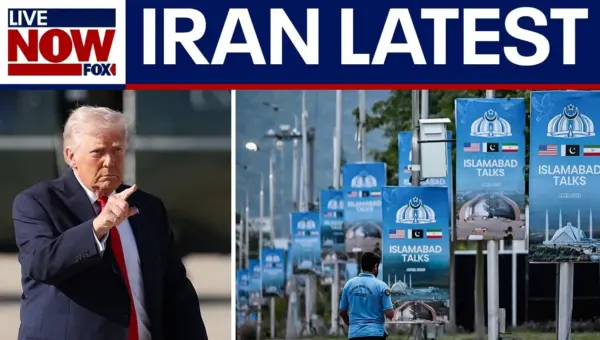
US negotiators are heading to Pakistan for talks with Iran as a critical ceasefire nears its April 22nd expiration. Iran has stated it is not ready for direct talks, citing US "maximalist demands." The situation is complicated by conflicting messages, internal Iranian power dynamics, and President Trump's strong rhetoric.