Iran Conflict Fuels Market Volatility, Inflation Fears
Escalating tensions involving Iran are creating "head spinning" market volatility, according to former NEC director Gene Sperling. While the S&P 500 reaches new highs, persistent inflation and a growing national debt raise concerns for the real economy. The conflict's impact on oil prices and critical shipping lanes like the Strait of Hormuz is a key focus for future economic stability.

Markets Brace for Impact as Iran Conflict Sparks ‘Head Spinning’ Volatility
The stock market, often seen as a predictor of the economy, is showing signs of strength with the S&P 500 reaching new highs. This optimism, however, is being tested by escalating global tensions and persistent inflationary pressures.
The New York Fed’s Empire State Manufacturing Survey surged by 11.2 points this month, a far better result than economists expected. This positive economic news offers some relief as high oil prices have increased costs for many manufacturers.
Despite the market’s upward trend, everyday consumers are feeling the pinch of inflation. Rising gasoline prices at the pump and increased costs for plastic goods and other essentials are creating financial strain.
These inflationary pressures are compounded by the ongoing conflict involving Iran and the associated spending required to manage the situation. This complex economic environment raises significant questions about the future trajectory of the economy and individual investment portfolios.
Expert Weighs In on Economic Outlook and Fiscal Challenges
Gene Sperling, a former director of the National Economic Council, shared his insights on the current economic climate. Sperling noted that while market indexes often provide a glimpse into future economic performance, the real economy for everyday people doesn’t always mirror this optimism. He described the volatility caused by news from Iran as “dramatic” and “head spinning.”
Looking beyond the headline market gains, Sperling expressed concern about the underlying economic data. He pointed out that while 2025 might not be a terrible economic year, inflation has been higher than predicted, and growth has been lower than anticipated. He believes that tariffs have contributed to inflation and business uncertainty, negatively impacting smaller businesses that lack the flexibility of larger corporations.
Inflation, Debt, and Government Spending Under Scrutiny
The conversation also turned to the nation’s fiscal health, with a current deficit of approximately $1.17 trillion. The national debt has surpassed $39 trillion, highlighting a significant long-term challenge. Discussions on Capitol Hill, such as testimony regarding defense spending requests, highlight the financial demands of global security concerns.
Sperling, who was part of the administration that oversaw the last U.S. budget surplus in fiscal year 2001, disagreed with assessments that recent economic conditions have been consistently positive. He cited high inflation rates across developed countries in 2022 and pointed to the war in Ukraine as a major disruptive factor. Sperling argued that President Biden’s initiatives were largely self-funded, a contrast he drew with previous administrations.
Tariffs and Global Conflicts: A Double Impact on Prices
The role of tariffs and international conflicts in driving inflation was a key point of discussion. Sperling suggested that tariffs, implemented under the Trump administration, shifted inflation in an unfavorable direction. He views both tariffs and the current global conflict as creating “stagflationary impulses,” which simultaneously slow economic growth and increase prices.
Even for those who support strong manufacturing policies or diplomatic actions, Sperling believes the execution of these policies has led to self-inflicted wounds. These actions, he argues, have negatively affected interest rates, inflation, and overall confidence in America’s long-term economic stability. This perspective highlights how geopolitical events and trade policies can create significant economic headwinds.
Gasoline Prices and the Strait of Hormuz: A Critical Link
Gasoline prices have seen a notable increase, up 79% year-to-date and 34% since the start of the Iran conflict. Looking at a broader five-year picture, wholesale gasoline prices have risen 21% during President Biden’s term. Treasury Secretary Janet Yellen expressed optimism about potential price relief, suggesting that gasoline prices could soon feature a “3” in front of them.
Yellen noted that her Middle Eastern counterparts believe production can resume quickly once the Strait of Hormuz is fully reopened. She anticipates that this will lead to lower prices during the summer months. This outlook depends heavily on the successful reopening of this crucial global shipping lane.
Key Advice for Managing Economic Headwinds
If placed in charge of the National Economic Council, Sperling’s top advice to the President would focus on managing the duration of the current conflict. He stressed the importance of understanding the long-term damage caused by these events and expressed skepticism about the speed of production recovery in the Gulf.
Sperling identified the management of the Strait of Hormuz as a paramount issue. He believes that Iran’s leverage over this vital waterway, allowing it to threaten the global economy, was a problem created by the current administration’s actions and lack of allied cooperation. He emphasized that resolving issues related to the Strait and understanding how higher energy prices translate into increased costs for food and other goods is crucial for the public.
The discussion concluded by acknowledging that disagreements exist regarding the timeline of events, but the impact on people’s finances remains the central concern. The ongoing geopolitical situation and its effect on inflation and market stability will continue to be closely watched by investors and consumers alike.
Source: ‘HEAD SPINNING’: Volatility from Iran conflict is ‘dramatic,’ says ex-NEC director (YouTube)

Related Articles


Gas Prices Soar, Americans Brace for Economic Pain
Millions of Americans are facing significant financial strain as gas prices soar due to global energy disruptions and conflicts. Experts predict that these high prices will persist for years, impacting personal finances and contributing to fears of a global recession. The situation presents major political challenges and could affect the U.S. standing on the world stage.

Profits Surge Amidst Iran Conflict: Who Benefits?
As geopolitical tensions rise, oil companies, defense contractors, and prediction markets are reporting significant financial gains. While the human cost of conflict mounts, these industries are cashing in on global instability and uncertainty. Catherine Rampell's analysis highlights this complex economic reality.
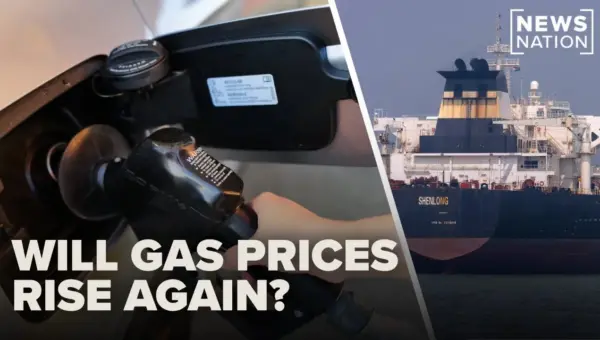
Strait of Hormuz Blockade: Fueling Inflation at Home
A potential blockade of the Strait of Hormuz by the U.S. is sending oil prices soaring and threatening to increase gas prices for consumers. This geopolitical tension also risks disrupting global fertilizer supplies, adding to existing inflation concerns.