Intelligence Files Expose Plot to Oust Trump
Declassified files suggest a plot within the intelligence community to create false claims leading to Trump's 2019 impeachment. Analyst Thomas Speciale details how fabricated information and political bias allegedly fueled this "soft coup attempt." The discussion also covers the U.S. control of the Strait of Hormuz and its economic implications for Iran and China.

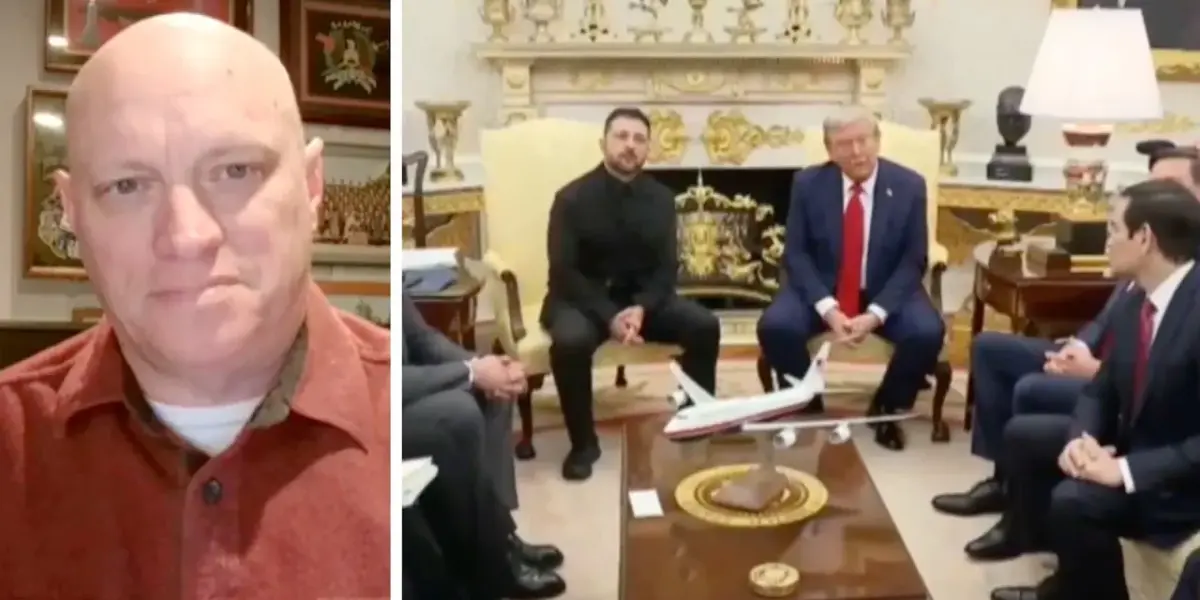
Intelligence Files Expose Plot to Oust Trump
New declassified files suggest a deliberate plan within the intelligence community to create a false story. This story was used to try and remove President Trump from office in 2019. The impeachment case centered on a phone call he had with Ukraine’s President Volodymyr Zelensky.
Thomas Speciale, a former senior advisor to the Director of National Intelligence, shared his views on these documents. He believes this was not an isolated event. It was the second major “information operation” aimed at the American people and against President Trump.
The Impeachment Imbroglio
Speciale explained that this operation involved the intelligence community passing information to Congress. Members of the House Intelligence Committee then leaked this information.
They presented it as fact, even though they allegedly knew the core accusation was false. The accusation claimed President Trump pressured President Zelensky during their call, seeking a favor in exchange for aid (a “quid pro quo”).
The complaint that started the impeachment process was based on second-hand information and summarized transcripts. Speciale stated that those involved knew the allegations were untrue.
However, their goal was to get Congress to leak the story to the media. This would then trigger an impeachment investigation based on what they knew to be a false claim.
Echoes of Collusion
This effort, Speciale argued, was similar to the “Russian collusion hoax.” That earlier attempt also failed, and Trump was elected anyway. He described the impeachment attempt as another effort to “coup the President,” noting that both events happened after Trump had already been elected.
Adding to the picture, one of the key figures involved in the whistleblower complaint had also been part of the 2017 Intelligence Community Assessment. This assessment, Speciale claimed, also contained fabricated intelligence designed to harm President Trump’s reputation. These actions, he believes, were intended to mislead the American public and undermine the election results.
Connecting the Dots: Steele Dossier and Biden
The discussion drew parallels between the impeachment events and the earlier “Russian collusion” claims. Speciale confirmed that the 2017 Intelligence Community Assessment included the Steele dossier. This dossier, he stated, was known by top intelligence officials like Brennan, Clapper, and Comey to be created by the Hillary Clinton campaign.
Despite knowing the dossier was false, they included it in the assessment. The aim was to give the impression that Russia had significant influence over President Trump.
Speciale sees a pattern: they leaked information, similar to how they leaked details about investigations, to create a narrative. This narrative was then used to fuel both the “Russian collusion” claims and the impeachment proceedings.
A “Soft Coup” Attempt
Both the Steele dossier inclusion and the impeachment process, Speciale contends, were part of a “soft coup attempt.” These actions occurred after Trump had won the election. The objective was to remove him from power and prevent him from ever running again. The current declassifications, he suggests, are happening because Trump won again, allowing figures like Tulsi Gabbard to reveal alleged corruption within the intelligence community.
Simplifying the Allegations
For those unfamiliar with the details, Speciale offered a simpler explanation. He stated that those who created the information knew it was false.
They fabricated details to make it seem legitimate, understanding that close examination would expose the lies. They relied on secrecy and classification to hide the fabrications, making it easier to mislead people.
These tactics were used to convince people not to vote for Trump or, if elected, to portray him as untrustworthy. Speciale emphasized that the claims were outright lies and fabrications.
The most disturbing aspect, he noted, is the alleged political bias within agencies like the CIA, FBI, and Department of Justice. These biases, he argued, should have invalidated claims from the start due to their politically motivated nature.
Bias and Circumvention
The whistleblower’s own testimony, Speciale pointed out, reportedly revealed personal biases. The whistleblower admitted to being a Democrat, working for Biden, and associating with people opposed to Trump.
Despite these admissions, the Inspector General allegedly pushed the complaint forward. This included bypassing the acting Director of National Intelligence to go directly to Congress, circumventing regulations to make hearsay and allegedly false information public.
The Iran Situation: A Different Battleground
The conversation then shifted to the situation in the Strait of Hormuz, involving Iran. Speciale described his involvement in drafting an early war plan, which he called the “Iran castration war plan.” This plan, developed between 2011 and 2014, aimed to cripple Iran’s ability to project power. He believes this plan has been highly successful, giving the United States effective control over the Strait.
For 47 years, Iran had threatened to close the Strait. Speciale views Trump’s actions as a strategic move, akin to a high-level chess game.
The primary concern for the oil industry now is only the small chance of encountering a stray Iranian mine. This situation benefits the U.S., as oil transport ships are now heading to America to buy U.S. oil instead of Iranian oil.
Iranian Pride and Stagnation
Speciale noted the pride and resilience of the Iranian people, distinct from the regime. He understands their reluctance to negotiate or give up influence over the Strait, even though they have lost control.
Publicly admitting this loss would be a cultural humiliation. Therefore, they are expected to hold their position for as long as possible, despite the hardship this blockade will cause the Iranian people.
He suggested that negotiators capable of working with Trump’s approach are needed. The current situation, he believes, represents a change in the Iranian regime, even if not publicly acknowledged. By targeting the leadership of the IRGC and the Supreme Leader’s structure, the regime’s power has been fundamentally altered.
The Path to Modernization
Regarding the long-term prospects for the Iranian people, especially concerning women’s rights and freedoms, Speciale offered a historical perspective. He explained that the Middle East has a history of cultural development that differs from Western timelines. He pointed to the U.S. experience, where it took over a century from its founding for women to gain the right to vote.
He believes that rapid Westernization or “light switch democracy” is unlikely. Cultural progression is necessary for a society to be ready for such changes.
Even in Turkey, a place considered more successful in modernization, significant Islamic influence remains. Therefore, he concluded, changes like improved women’s rights in Iran will take time and must come from within the society, not be imposed from the outside.
Internal Change vs. External Influence
Speciale stressed that America should not act as the “culture police.” While intervention is necessary when a nation threatens others, internal changes are paramount for those who mind their own business. He acknowledged that modern tools like the internet and AI can create pressure for faster modernization.
However, he reiterated that this change must be an “awakening” from within, not something imposed by force. Attempts to impose change in Afghanistan and Iraq did not work. He believes that the U.S. and Europe must maintain their own freedoms and work with other nations to encourage change when they are ready.
Economic Warfare and the Strait of Hormuz
Looking at the Strait of Hormuz’s impact at home, Speciale believes the Strait is effectively open. He suggests that Iran’s rhetoric is making the oil industry hesitant to take risks, as threats to the Strait can be profitable. Currently, the U.S. is benefiting as oil ships divert to buy American oil.
China is particularly affected, as much of its oil came from Venezuela and Iran. Cutting off this cheap oil supply could have a significant economic impact on China. Speciale sees this as a potential form of economic warfare by the U.S. against China, aiming to encourage better international trade practices.
A Long Game for Global Stability
While this strategy might mean higher gas prices for Americans in the short term, Speciale suggests it could prevent future conflicts with China. He views the situation as a major economic game, and believes Americans should be proud of the military’s success in controlling the Strait of Hormuz and weakening the Iranian regime.
He anticipates that by the end of April, Iran will begin negotiations. The blockade, if they cannot overcome it, will create significant pressure for them to engage in genuine talks rather than simply resisting.
Source: Analyst on Declassified Files Tied to Trump Impeachment (YouTube)

Related Articles
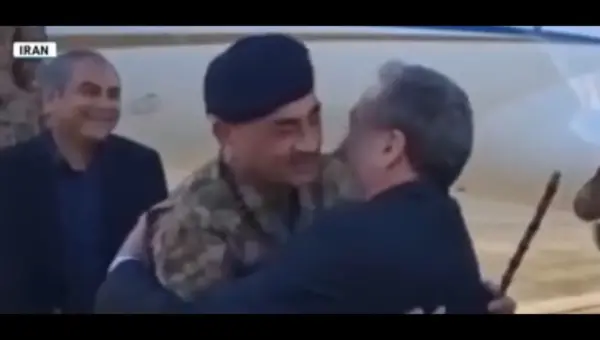
Pakistan Navigates Tehran’s Tense Diplomacy
Pakistani officials are mediating talks between Iran and the US amid rising tensions, while the US also works to calm conflict between Israel and Lebanon over Hezbollah. Israel remains militarily prepared and committed to disarming Hezbollah.

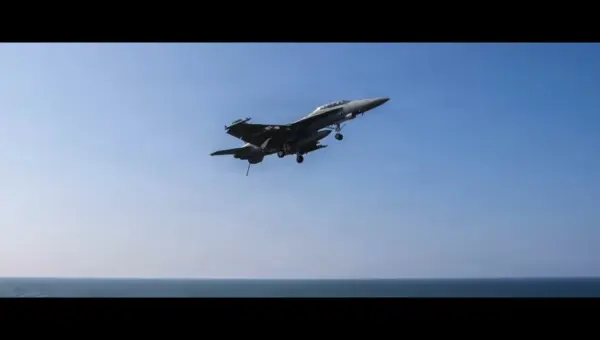
China’s Spy Satellite Aided Iran’s Attacks on US Bases
A new report reveals Iran has used a Chinese spy satellite to monitor US military bases in the Middle East, potentially aiding in recent attacks on American warplanes. Leaked documents suggest Iran purchased the satellite, which significantly outperformed its own capabilities, raising concerns about China's role in regional conflicts.
China Agrees Not to Send Weapons to Iran, Trump Claims
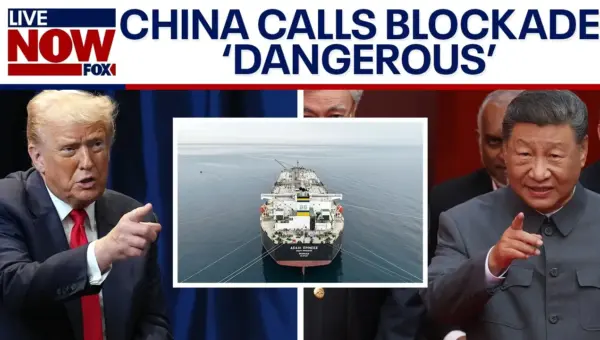
President Trump claims China has agreed to stop sending weapons to Iran, a move aimed at increasing pressure on Tehran. The U.S. is also tightening economic sanctions and enforcing a naval blockade on Iranian ports. Diplomatic talks are ongoing as a ceasefire nears its expiration.