DOJ Actions Raise Alarms Over Election Integrity and Political Prosecutions
Recent actions by the Justice Department, including a criminal referral related to the Trump impeachment whistleblower and efforts to overturn January 6th convictions, are raising alarms about election integrity. Legal experts warn these moves could be politically motivated and set a precedent for future interference.

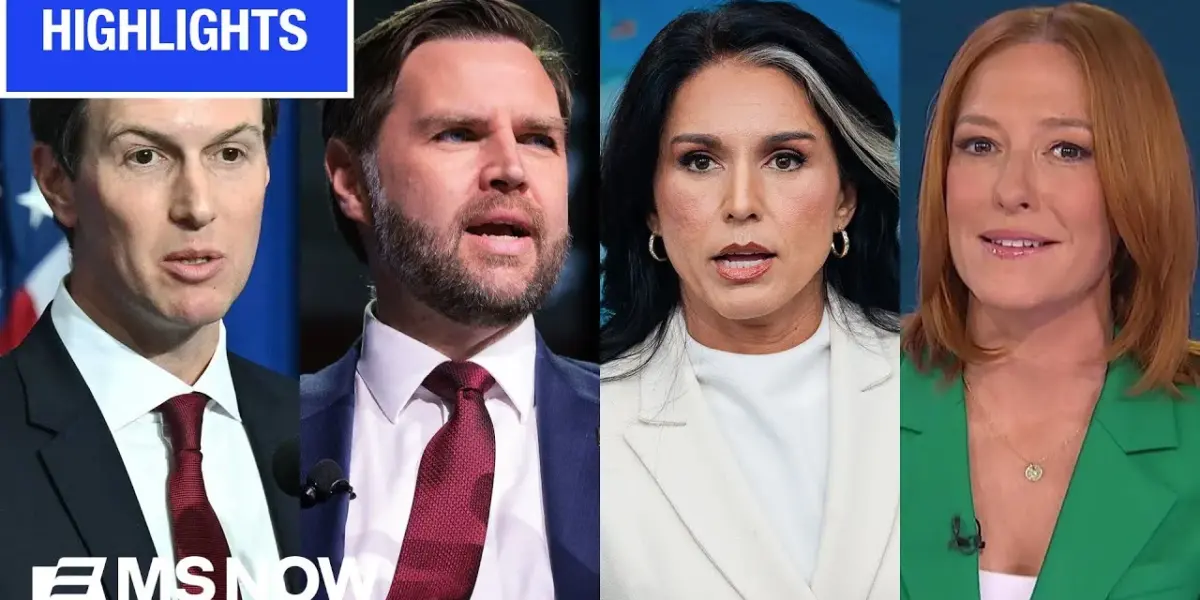
Justice Department Under Scrutiny for High-Profile Moves
The U.S. Justice Department is facing intense scrutiny following a series of actions that critics argue are politically motivated and could undermine democratic processes. Recent moves include a criminal referral concerning the whistleblower from President Trump’s first impeachment and efforts to overturn convictions of individuals involved in the January 6th Capitol attack.
These developments have sparked concerns among legal experts and watchdog groups about the department’s impartiality and its potential role in future election disputes. The actions have been described as attempts to sanitize past events and lay groundwork for future election interference.
Whistleblower Referral and January 6th Convictions
Breaking news confirmed that the Director of National Intelligence referred the original whistleblower, whose complaint led to President Trump’s first impeachment, for potential criminal prosecution. This referral was made to the Inspector General and the Justice Department.
This move follows allegations by Tulsi Gabbard of a conspiracy behind Trump’s impeachment, though the transcript suggests the released documents do not support such claims. The Justice Department unit reviewing this referral is the same one that recently asked a federal appeals court to dismiss the seditious conspiracy convictions of Proud Boys and Oath Keepers leaders.
Legal Expert Voices Concerns
Mark Elias, founder of Democracy Docket and chair of the Elias Law Group, expressed strong criticism of these actions. He stated that the Department of Justice appears to be acting on behalf of Donald Trump, aiming to weaponize government power against political opponents.
“They are doing Donald Trump’s bidding. They are trying to weaponize the government against Donald Trump’s political opponents.”
Mark Elias
Elias further elaborated that the department, under Trump’s influence, is creating a foundation to justify future interventions in elections. He warned that this could lead to the executive branch taking extreme measures, such as seizing ballots or voting equipment, under the guise of preventing election interference.
Undermining Accountability and Future Elections
The actions are seen by some as an attempt to erase history and discourage future whistleblowers. The transcript suggests a pattern of those accused of wrongdoing going after those who report it, which is described as a chilling effect on public servants.
Legal analysts point out the irony of the current administration seeking to overturn convictions for events like January 6th, while also pursuing actions against political adversaries. The detailed nature of the January 6th events and the prosecution of those involved highlight the perceived absurdity of claims of a widespread conspiracy against Trump.
The ‘Trump Movement’ and Election Interference
The discussion touches on the nature of Donald Trump’s political movement, contrasting it with traditional nationalism. Elias described it as a movement centered on Trump himself, driven by a belief that he is perpetually a victim of various forces, including elections and the ‘deep state’.
This perception of victimhood, according to the analysis, makes Trump a more dangerous figure. The article suggests that efforts to rewrite the history of events like January 6th and to place election deniers in government positions are not about the past, but about enabling future actions to influence or overturn election results.
Personnel Changes and Potential Conflicts of Interest
Concerns have also been raised about personnel within the Justice Department and other government bodies. Acting Attorney General Todd Blanch’s statements suggest a belief that the department has a duty to pursue the president’s enemies, a sentiment that alarms civil liberties advocates.
The article highlights potential conflicts of interest involving individuals negotiating with Iran, including Jared Kushner and Steve Woff. Both have business dealings with Saudi Arabia and the UAE, countries that have differing views on how to approach negotiations with Iran. This situation raises questions about whether these negotiators are acting in the best interest of the United States or their own financial interests.
Past Negotiations and Future Implications
The transcript contrasts the current negotiating team with experienced diplomats who handled previous Iran nuclear talks (JCPOA). The article suggests that past opportunities for a diplomatic resolution with Iran were missed, potentially due to a lack of understanding or willingness by key negotiators.
The piece concludes by emphasizing that the current administration’s approach to foreign policy and domestic accountability is not just about revisiting past events. It is seen as actively laying the groundwork for future political maneuvering, particularly concerning election integrity and the use of government power.
Looking Ahead: Vigilance and Accountability
As these developments unfold, the focus remains on the potential impact on future elections and the integrity of democratic institutions. The actions taken by the Justice Department and the rhetoric surrounding them suggest a continued struggle for accountability and a proactive approach to safeguarding electoral processes.
The public and policymakers will be watching closely to see how these legal and political battles shape the upcoming electoral landscape and the public’s trust in government institutions.
Source: MS NOW Highlights – April 15 (YouTube)

Related Articles

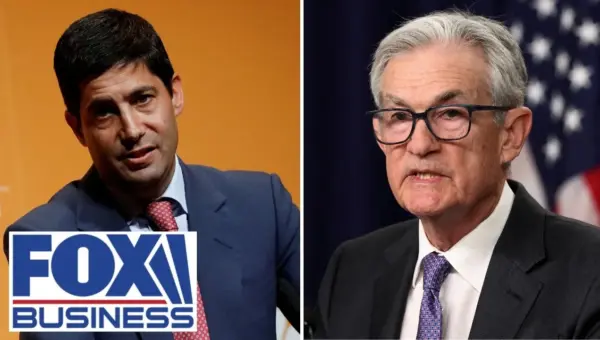
Senator Urges Fed Compliance, Cites ‘Enormous Uncertainty’
Senator Dave McCormick is urging the Federal Reserve to comply with a Justice Department request for documents related to cost overruns. He described the situation as a moment of "enormous uncertainty" and emphasized that the Fed is not above the law. The senator suggested transferring the investigation to the Banking Committee as a potential path forward.
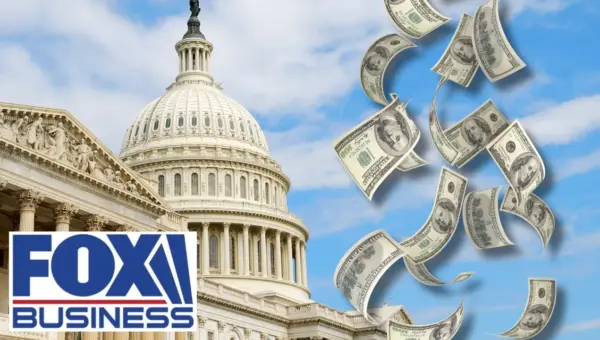
House Demands Records: Foreign Funds Under Scrutiny
House Republicans are demanding records from Democratic fundraising platforms, citing concerns about illegal foreign donations. The inquiry, focusing on entities like ActBlue, aims to uncover potential violations of campaign finance laws and ensure greater transparency in political funding.
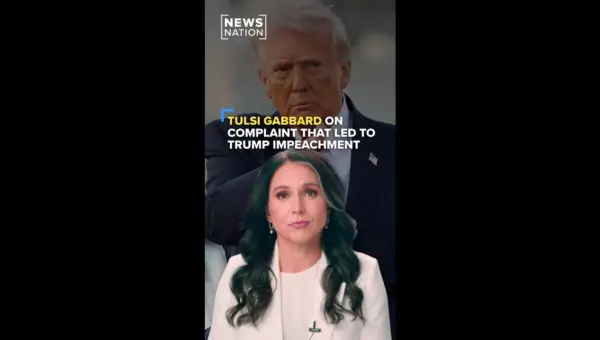
Impeachment Standard Shifted for Trump, Ex-IG Claims
A former Inspector General's testimony suggests the standard for evidence in President Trump's impeachment shifted from first-hand accounts to unreliable second-hand information. This change, made just before impeachment proceedings, is now under scrutiny for potentially compromising the process.