Angry German Kid Meme: A Cultural Flashpoint?
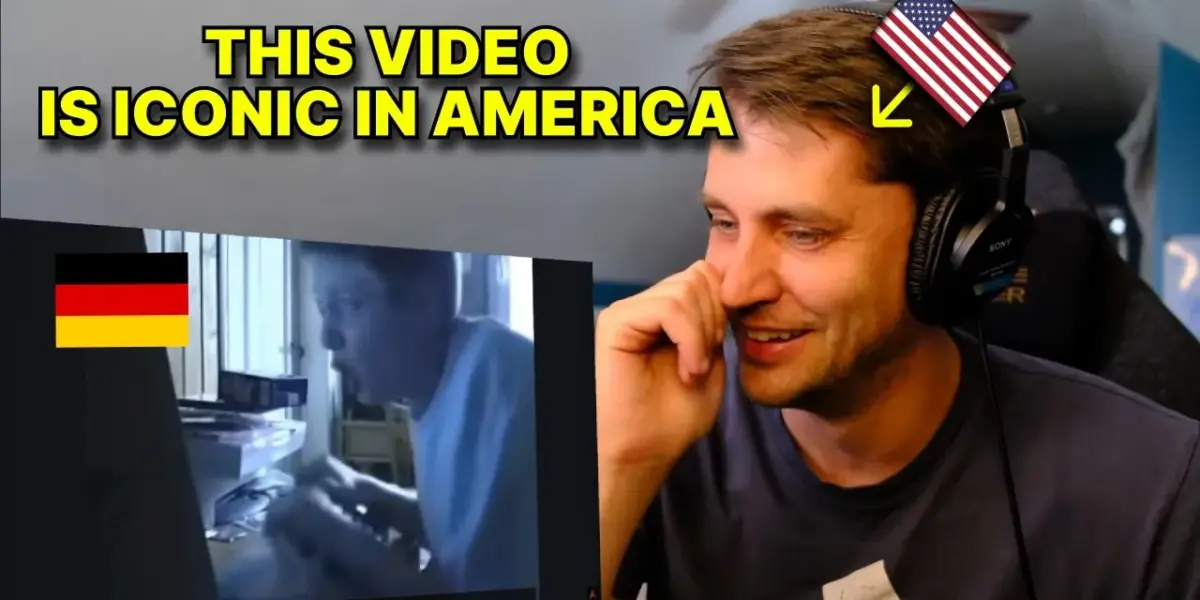
An American reacts to the infamous "Angry German Kid" meme, a viral video from 2006. The reaction explores the meme's intensity, its connection to gaming culture, and its lasting impact as an early internet phenomenon.

Angry German Kid Meme: A Cultural Flashpoint?
A decade-old internet meme, the “Angry German Kid,” continues to spark reactions, blending humor with a surprisingly deep dive into cultural perceptions and online behavior. The video, which resurfaced and gained new traction, shows a young boy expressing extreme frustration while playing a video game. Its raw emotion and over-the-top anger have made it a lasting piece of internet culture.
Uploaded originally around 2006, the meme predates many of today’s viral sensations. This particular American reaction video highlights the unexpected intensity of the original clip. The viewer, initially expecting a mild online moment, is taken aback by the sheer volume and raw emotion displayed by the child.
Initial Shock and Parental Fears
The immediate reaction is one of disbelief and surprise. “Why is he already angry?” the viewer questions, wondering if the scene is staged. The raw, unfiltered rage elicits a strong response, with the viewer admitting, “As a dad, this is like what every dad fears his child’s going to grow up to be.” This sentiment taps into common parental anxieties about children’s emotional regulation and online gaming habits.
The sheer volume of the child’s outburst, filled with phrases like “Get lost!” and “It’s late! It’s finished!” is overwhelming.
The viewer expresses a mix of wanting to laugh and feeling a sense of unease, a common reaction to extreme displays of emotion, even in a humorous context. The intensity is so high it borders on unsettling for some.
Gaming Culture and Proximity Chat
The meme’s connection to video games prompts a discussion about online interactions and the culture surrounding competitive play. The viewer humorously links the child’s outburst to arguments about video games and violence, stating, “This is why the Republicans wanted to ban video games. Now I understand.” This is quickly followed by a retraction, showing a fondness for games like Halo.
The concept of “proximity chat” in online games is brought up as a way to understand the player’s experience. The idea is that hearing such an angry reaction from a defeated opponent could be satisfying, a twisted form of validation for winning. However, the viewer also acknowledges how triggering such an outburst would be if you were the one on the receiving end.
Behind the Scenes and Cultural Stereotypes
The viewer notes the setup of the camera, concluding that the child must be acting. “He’s a good actor,” they remark, questioning the authenticity of the rage. This observation shifts the focus from genuine emotion to a performance, though the performance itself is remarkably convincing.
The viewer then considers the impact on the child’s neighbors, especially if the incident occurred on a Sunday. This touches on cultural norms and quiet hours, humorously suggesting such an outburst might be seen as a “death sentence” in some places. The fact that comments are turned off on the original video adds to the mystique.
Why This Matters
This meme’s enduring popularity highlights how internet culture can capture and exaggerate relatable human experiences, like frustration with technology or competition. It also is a humorous, albeit extreme, example of the emotional intensity that can surround online gaming. The reactions it provokes reveal our own biases and anxieties about youth culture and digital life.
The meme offers a brief, unfiltered look at a moment of intense emotion, prompting reflection on how we process anger and express ourselves, especially today. It reminds us that behind every online persona, there’s a complex individual, and that sometimes, the most absurd content can spark the most thoughtful conversations.
Implications and Future Outlook
The “Angry German Kid” meme, despite its age, continues to resonate because it taps into universal feelings of frustration. Its virality shows how quickly content can spread and evolve across different platforms and cultures. The internet provides a stage for these raw moments, turning them into shared cultural touchstones.
As online gaming and digital content creation continue to grow, memes like this will likely remain a part of our shared online experience. They offer a unique lens through which to view societal trends, humor, and the ever-changing ways we communicate and connect with each other. The meme’s journey from a private moment to a global phenomenon is a story in itself.
Historical Context
The early 2000s were a formative period for internet memes, with platforms like YouTube just beginning to gain massive traction. Videos that captured raw, often unscripted moments, like the “Angry German Kid,” became early viral hits. These clips often spread through forums and early social media, building a cult following over time.
This era of meme creation was characterized by its authenticity and often low-production value. Unlike today’s polished content, many early memes were simply recordings of everyday events or reactions that struck a chord with a wider audience. The “Angry German Kid” is a prime example of this early internet phenomenon.
The viewer’s final thoughts, “Well, now I’ve seen it. That was way more insane than I thought it would be,” encapsulate the enduring power of this particular meme. It continues to surprise and amuse, proving that some internet moments are truly timeless.
Source: American reacts to Infamous German Meme "Angry German Kid" (YouTube)

Related Articles


Shaq Catches Viral Couple in Lie, Offers Engagement Ring
Shaquille O'Neal exposed a viral NBA couple's fib on Inside the NBA, offering to buy an engagement ring if the boyfriend proposed. The couple, who went viral for an argument at a Pacers game, initially gave a fake story about their conversation. Shaq's sharp questioning led to playful banter and a promise of wedding invites.


Steak Etiquette Debate Ignites Online!
A viral video has sparked a passionate debate online about the correct way to cut a steak. One side champions the traditional one-piece-at-a-time method, while the other argues for pre-cutting the entire steak. The discussion even humorously veered into toilet paper preferences.

911 Dispatcher’s Surprise Retirement Call Moves Millions
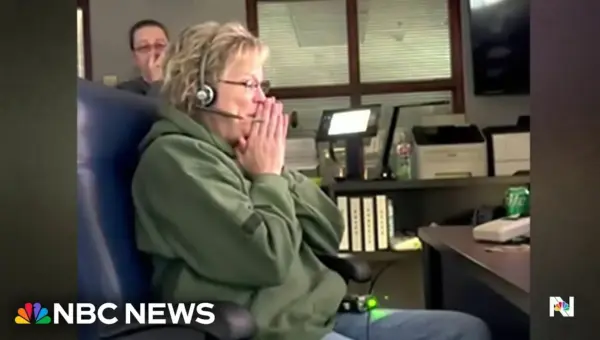
After 30 years of answering 911 calls, North Carolina dispatcher Hallie Franklin received a surprise retirement send-off. Her final calls came from loved ones, expressing gratitude for her service. The emotional moment has since gone viral, touching hearts nationwide.