Dem Lawmaker Clashes with Maria Bartiromo Over Iran Deal
Maria Bartiromo and a Democratic lawmaker engaged in a heated debate over the Obama administration's Iran policy. The lawmaker defended the previous administration's approach, citing broad international support, while Bartiromo questioned the effectiveness of those policies.

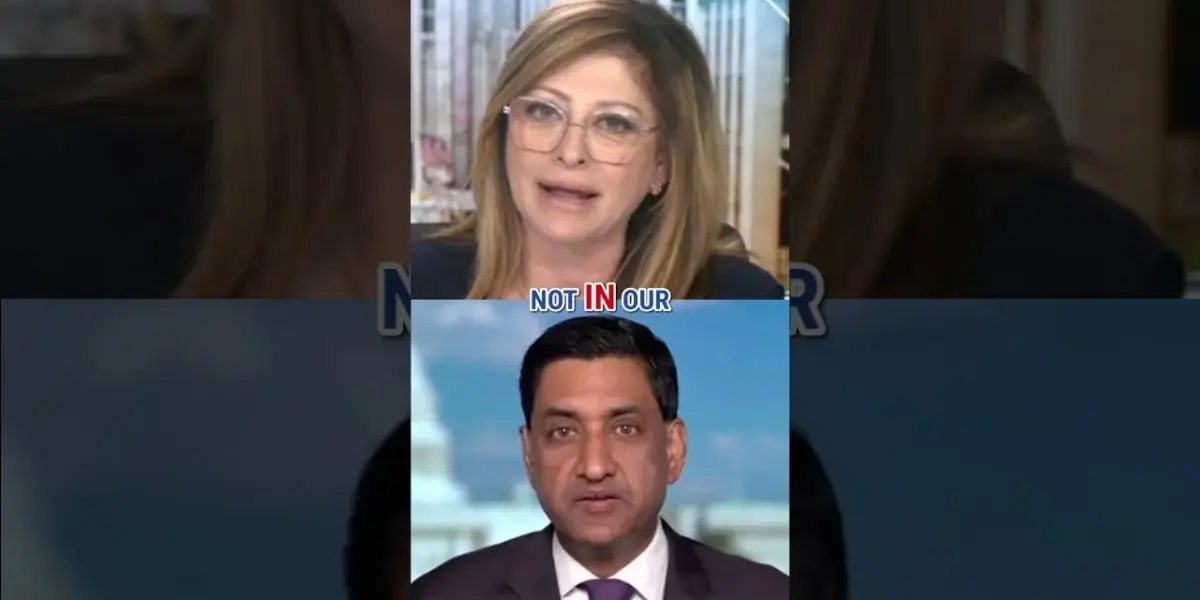
Bartiromo Challenges Lawmaker on Iran Deal Success
An intense interview on Sunday Morning Futures saw host Maria Bartiromo engage in a heated exchange with a Democratic lawmaker regarding the effectiveness of the Obama administration’s approach to Iran. The core of the dispute centered on the success of international sanctions and the previous administration’s handling of Iran’s nuclear program.
Bartiromo pressed the lawmaker on claims that the Obama administration’s policies had failed, citing a figure of “97% OUT,” implying a significant loss or failure related to the deal. The lawmaker strongly refuted these claims, calling them “fantasy” and asserting that Obama “did nothing about it” was factually incorrect.
Sanctions and International Support Debated
The lawmaker defended the Obama administration’s actions, stating that instead of doing nothing, Obama “unfroze Iranian assets.” This move, however, was framed within a broader international effort. The lawmaker emphasized that Obama had “the whole world behind us” when implementing these policies.
Specifically mentioned as being on board were major global players including Russia, China, Canada, the UK, and France. This broad coalition, the lawmaker argued, was a key strength of the previous administration’s foreign policy strategy concerning Iran. The implication was that this unified front was lost under subsequent policies.
Disagreement Over Global Alliances
Bartiromo challenged the lawmaker’s assertion about Russia and China being “in our corner” during the Obama administration’s dealings with Iran. She expressed disbelief, stating, “Saying Obama had Russia and China in their corner. I think you know better than most that Russia and China are not in our corner.” This highlights a fundamental disagreement on the nature of international relations and the alignment of global powers during that period.
The lawmaker’s defense suggested that the Obama administration achieved a level of international consensus that has since eroded. The mention of “97% OUT” remains unclear in its specific financial or political meaning within the transcript, but it was used by Bartiromo to question the success of the prior administration’s Iran strategy. The lawmaker’s counter-argument focused on the diplomatic achievements and the broad international backing Obama secured.
Market Impact
Disagreements over foreign policy, particularly concerning major global powers like Iran, Russia, and China, can have ripple effects on global markets. Shifts in international relations and the perceived strength of alliances can influence investor confidence, commodity prices, and the stability of geopolitical regions. Understanding which nations are aligned on key issues is crucial for assessing risk and opportunity.
For investors, geopolitical tensions can create uncertainty. Fluctuations in oil prices, for instance, are often tied to events in the Middle East.
Changes in trade relationships or the imposition of new sanctions can also impact companies with international operations. The debate highlights the complexity of foreign policy decisions and their potential economic consequences.
What Investors Should Know
The exchange highlights the importance of scrutinizing foreign policy claims and understanding the historical context of international agreements. Investors should pay attention to how diplomatic successes or failures are framed and what data supports these narratives.
The effectiveness of sanctions and the ability to form international coalitions are critical elements in international relations. When these alliances shift, it can signal changes in global economic and political stability. Investors need to be aware of these dynamics to make informed decisions about their portfolios.
The differing interpretations of past foreign policy decisions, especially concerning Iran, Russia, and China, show how complex these issues are. Investors should look for clear, verifiable data when evaluating geopolitical events and their potential impact on markets. The debate itself, broadcast on a prominent financial news program, indicates the continued relevance of these discussions for economic and political observers.
Source: INTERVIEW SHOWDOWN: Maria Bartiromo gets into HEATED exchange with Dem lawmaker (YouTube)

Related Articles

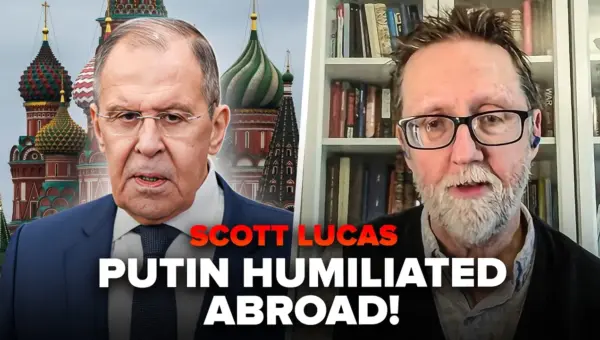
Hungary’s Orbán Loses Kremlin Ally Amid EU Sanctions Probe
Hungary's alignment with Russia is under scrutiny following accusations of document shredding related to EU sanctions. This development, coupled with ongoing Russian influence efforts elsewhere in Europe, signals a potential setback for Moscow. Meanwhile, optimism surrounding Ukraine peace talks is tempered by strategic messaging and unresolved territorial disputes.
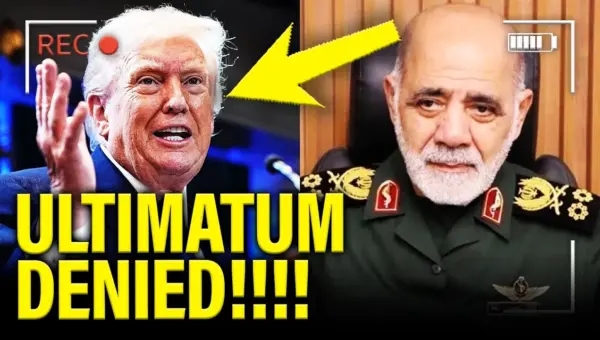
Trump’s Iran Standoff: Diplomacy or Dangerous Game?
Iran has publicly defied President Trump's demands, refusing to attend negotiations unless the U.S. lifts its Persian Gulf blockade and stops issuing threats. Despite Iran's stance, the U.S. has sent an advance team, highlighting a tense diplomatic standoff. The situation is further complicated by conflicting public statements and social media rhetoric from both sides, raising questions about the path forward.
Trump’s Iran Standoff: A Risky Bet for Global Stability?
Libertarian journalist Robby Soave and host Batya debate President Trump's Iran strategy. Soave questions the long-term benefits versus the costs, while Batya highlights market confidence and strategic gains. The discussion covers military power, diplomatic goals, and the potential risks of nuclear proliferation.