US-Iran Peace Talks Face Doubt as Ceasefire Deadline Nears
As a critical ceasefire deadline looms, the US and Iran are exchanging conflicting signals, casting doubt on upcoming peace talks. While an Iranian delegation was expected in Islamabad, rhetoric from both sides has intensified, with President Trump suggesting a lack of a deal by tomorrow night could lead to renewed conflict. Concurrently, Israel and Lebanon are holding crucial talks to extend their own ceasefire, a development seen as potentially influencing broader regional stability.

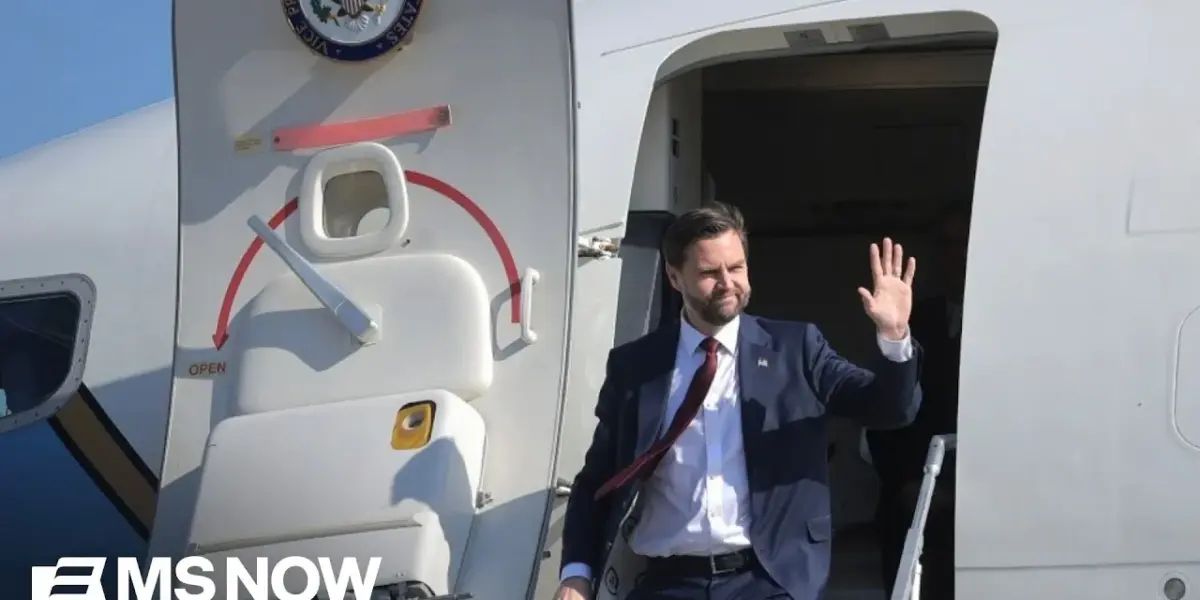
US and Iran Trade Conflicting Signals Ahead of Crucial Talks
The United States and Iran are sending mixed messages as a critical ceasefire deadline approaches, casting uncertainty over potential peace talks. Despite signs of progress, both nations are also ramping up their rhetoric, creating a tense atmosphere.
A foreign diplomat in Tehran, close to the negotiations, indicated that an Iranian delegation, including the Parliament Speaker and Foreign Minister, was expected to travel to Islamabad for talks with the U.S. This meeting, however, was contingent on Vice President J.D. Vance’s presence, with U.S. officials confirming Vance’s expected departure for Islamabad the same day.
Pakistan is also preparing for the possibility of a second round of negotiations, increasing security personnel in the region. However, preceding these diplomatic efforts, both sides have intensified their public statements. Iran’s Parliament Speaker posted on social media, stating, “We do not accept negotiations under the shadow of threats,” and that Iran was prepared to reveal “new cards on the battlefield.”
President Trump’s Stance on Ceasefire Extension
President Trump, in a statement to Bloomberg, expressed that he was “highly unlikely to extend the ceasefire if a deal isn’t reached before tomorrow night Eastern time.” When asked by PBS News about the consequences of the truce expiring, the President stated, “Then lots of bombs start going off,” highlighting the high stakes involved.
Mark Polymeropoulos, a retired CIA officer and national security analyst, commented on the President’s approach. He suggested that while the President may believe his aggressive threats are effective, they might not be yielding the desired results with the Iranians. Polymeropoulos noted that the President’s negotiation style, perhaps rooted in business and real estate, differs greatly from the Iranians’ historical approach to bargaining.
“The Iranians are master negotiators. Think about, you know, a bazaar. Think about, you know, buying a carpet.
When you come in, you storm out. You know, this is our long, drawn-out talks.
And they have kind of this infinite amount of patience. I don’t think Trump actually has that.”
Concerns Over Negotiating Team’s Expertise
Polymeropoulos also raised concerns about the composition of the U.S. negotiating team. He suggested that a lack of experienced Iran experts from agencies like the CIA or the State Department might hinder the U.S. in effectively engaging with the Iranians. This contrasts sharply with previous negotiations, such as the Obama-era JCPOA (Joint Comprehensive Plan of Action), which involved numerous experts and a long, detailed process.
The current approach appears to favor broader framework deals, which, according to Polymeropoulos, have historically led to drawn-out processes and unmet conditions. He drew parallels to past framework deals, like those concerning Ukraine, Russia, and particularly Gaza, where little materialized. The Gaza 20-point plan, for instance, only saw its first two points agreed upon.
Potential for Extended, Difficult Negotiations
Despite the President’s firm stance on the ceasefire deadline, Polymeropoulos anticipates an extension of the talks. He believes the President would prefer to avoid a return to military activity. However, he cautioned that the process is likely to be lengthy and drawn-out, posing a significant test of the President’s patience against the Iranians’ renowned negotiating endurance.
The outcome of these negotiations is particularly significant given the initial goals of the conflict, which included questions about regime change. Analysts suggest that the current administration’s approach may be inadvertently strengthening the very Iranian regime it sought to influence, potentially leading to a more entrenched and radical government. This raises questions about the ultimate benefit to the Iranian people and the initial objectives of the conflict, especially considering the human and economic costs incurred over the past two months.
Simultaneous Talks: Israel and Lebanon Seek Ceasefire Extension
In parallel, officials from Israel and Lebanon are scheduled to meet at the State Department for further talks regarding their ongoing ceasefire. This meeting, set to occur just days before their current agreement expires, is seen as a positive development. It marks the first time in decades that these two nations have engaged in such direct discussions.
The current 10-day ceasefire between Israel and Lebanon, which began after the first round of talks, has seen Israel continue attacks in South Lebanon despite the truce. The U.S. Secretary of State has taken a role in these discussions, emphasizing the need for peace between the two nations. The Lebanese government faces the significant challenge of disarming Hezbollah, a key proxy of Iran, which could significantly alter Iran’s regional influence.
“If we can make some progress on the Lebanon track, that certainly is a good thing in our entire counter-Iran strategy in the region. It’s really helpful to see you piece these things together, the strings that run across the region, why everything is so interconnected.”
Interconnectedness of Regional Diplomacy
The progress in the Israel-Lebanon talks could have a positive impact on the U.S.-Iran negotiations. By potentially defanging Hezbollah and empowering the Lebanese government, a key Iranian strategic advantage could be diminished. This interconnectedness highlights the complex web of relationships and conflicts in the region, where progress in one area can influence outcomes in others.
The success of the Israel-Lebanon negotiations, which were reportedly a precondition set by Iran for their talks with the U.S., could foster a more conducive environment for broader diplomatic solutions. This offers a glimmer of hope amidst a challenging geopolitical climate, suggesting that focused diplomacy can yield positive results even in volatile regions.
Source: Doubt surrounds peace talks as ceasefire expires soon (YouTube)

Related Articles

Trump’s Iran Standoff: Caught Between War and Capitulation
Donald Trump is in a precarious position regarding Iran, caught between the costly option of war and the concession-heavy path of negotiation. Military leaders warn of immense casualties in a ground invasion, while diplomatic routes require accepting Iran's nuclear ambitions and regional influence. This standoff highlights the difficult choices in managing international conflict.
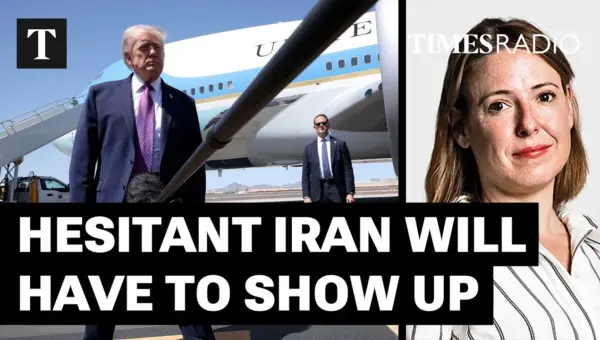
Iran Talks Loom: US Deadline Nears Amid Strait of Hormuz Dispute
High-stakes negotiations between the U.S. and Iran are slated to occur in Islamabad, Pakistan, with a critical deadline set by President Trump. The Strait of Hormuz has emerged as a central point of contention, complicating efforts to secure a ceasefire and de-escalate tensions. Pakistan is actively mediating, aiming to bring both delegations to the table despite significant disagreements and Iran's hesitation.

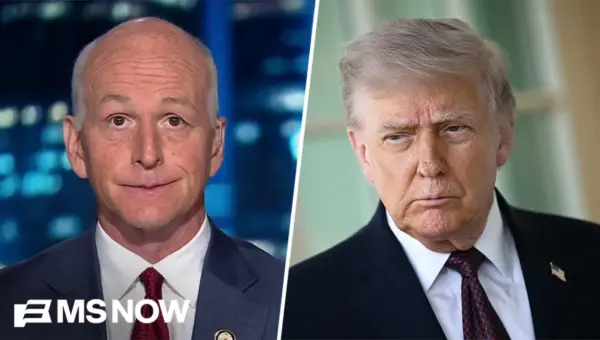
Dem Lawmaker: Trump Undermines Iran Deal Prospects
Rep. Adam Smith, a leading Democrat on the House Armed Services Committee, stated that President Trump's claims about the conflict with Iran are meaningless and that the U.S. has not achieved its objectives. Smith believes Trump's unpredictable and boastful rhetoric is undermining any possibility of a diplomatic deal with Iran and empowering hardliners.