China Ship Tests US Blockade in Key Oil Strait
A Chinese tanker's passage through the Strait of Hormuz tests a U.S. blockade targeting Iran. This event highlights global concerns over the vital oil route, with multiple nations calling for its unconditional reopening. Diplomatic efforts are underway, involving the U.S., Iran, France, and India, to ensure freedom of navigation.

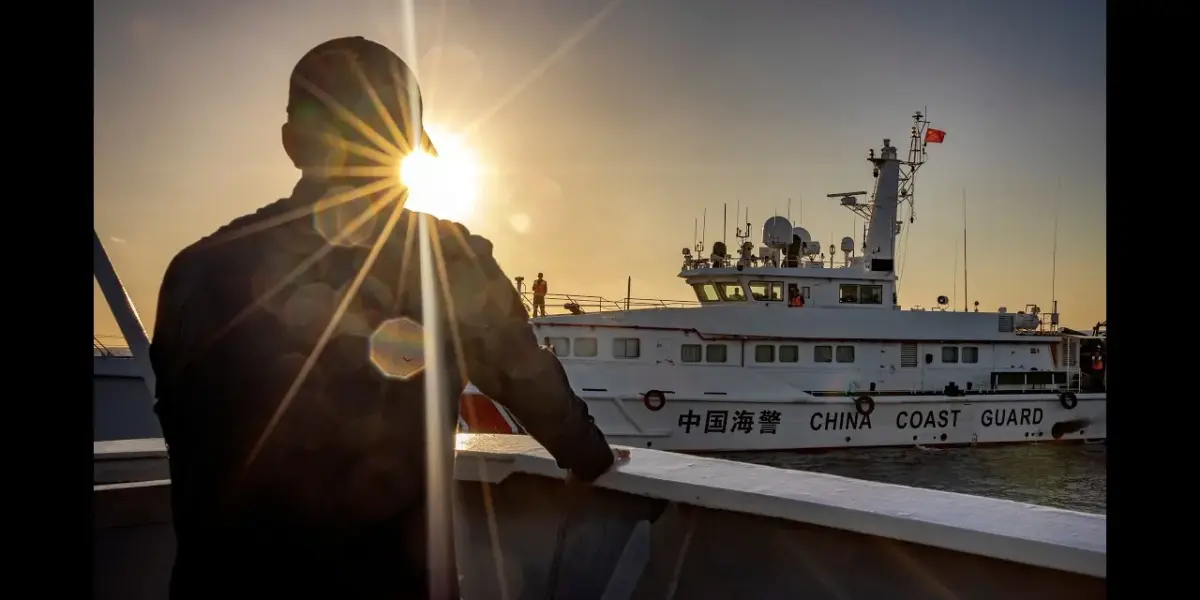
China Ship Tests US Blockade in Key Oil Strait
A Chinese oil tanker, the Rich Story, recently sailed through the Strait of Hormuz. This event marks the first vessel to pass the vital waterway since the United States put a blockade in place. The U.S. blockade specifically targets ships going to or from Iran. Data shows this action is having a significant effect, with Iranian ports seeing almost no ship traffic. Meanwhile, ports in other Gulf nations appear to be very busy.
A Test of the Blockade
The Rich Story tanker is owned by a company based in Shanghai, China. This same company has been previously sanctioned by Washington for doing business with Iran. The tanker was carrying approximately 250,000 barrels of methanol when it passed through the strait. It was traveling from the United Arab Emirates. This journey directly challenges the U.S. blockade, suggesting that international shipping is seeking ways around the restrictions.
Calls for Open Waterways
Several countries are calling for the immediate reopening of the Strait of Hormuz. Qatar’s foreign ministry released a statement emphasizing that they do not accept any conditions for the passage. A spokesman condemned Iran for attacking targets in Gulf nations during a past conflict. He stated that any attack on their neighbors is an attack on Qatar’s sovereignty. These attacks only stopped when a ceasefire was agreed upon.
Diplomatic Efforts Underway
International leaders are actively discussing the situation. French President Emmanuel Macron spoke with both President Trump and the President of Iran. Macron urged the U.S. and Iran to restart peace talks. He also stressed the importance of reopening the Strait of Hormuz quickly and without any rules or fees.
Indian Prime Minister Narendra Modi also discussed the Strait with President Trump. Both leaders agreed on the need to keep the Strait of Hormuz open and secure. This shows a shared concern among major global powers about the stability of this critical shipping route.
A Defensive Mission Proposed
European nations are also working to resolve the issue. France and the United Kingdom announced they will host a conference in Paris. They plan to invite other countries to join a defensive mission. The goal of this mission would be to restore the freedom of ships to travel through the Strait when safety conditions allow. This approach suggests a desire for a multilateral solution focused on ensuring safe passage for all.
Why This Matters
The Strait of Hormuz is one of the world’s most important oil shipping lanes. About 30% of the world’s seaborne oil trade passes through it. Any disruption here can cause major problems for the global economy, leading to higher oil prices and affecting industries worldwide. The U.S. blockade aims to pressure Iran, but it also risks increasing tensions in an already unstable region.
Background and Context
Tensions in the Persian Gulf have been high for decades. The Strait of Hormuz, located between Iran and Oman, is a narrow waterway. Its strategic location makes it a choke point for oil exports from Saudi Arabia, Iran, Iraq, and the UAE. Past incidents, including attacks on oil tankers, have highlighted the vulnerability of this route and the potential for conflict.
Looking Ahead
The actions of ships like the Rich Story signal a potential shift in how countries respond to U.S. sanctions and blockades. The diplomatic efforts by France, the UK, India, and Qatar show a strong international interest in maintaining open sea lanes. The success of the U.S. blockade in isolating Iran’s oil exports remains to be seen. However, the situation highlights the ongoing challenge of balancing international security, economic interests, and regional stability in the Middle East.
Source: Chinese Owned Vessel Passes Through Hormuz Strait After Leaving UAE Port (YouTube)

Related Articles

Oil Prices Surge to $91 Amid Geopolitical Tensions
Oil prices have surged to $91 a barrel, driven by disruptions in the Strait of Hormuz. This is leading to higher gas prices across the U.S., with California facing particularly steep costs. The situation is fueling debate on energy policy, exports, and the transition to renewable fuels.
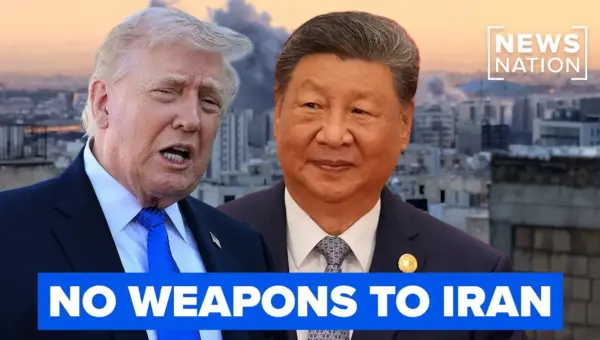
China Backs Strait of Hormuz Blockade, Halts Iran Arms
China has agreed not to supply weapons to Iran and is not opposing the U.S. naval blockade in the Strait of Hormuz. This significant development comes as President Trump prepares for a state visit to China and aims to pressure Iran by controlling vital shipping lanes. The move impacts global trade and reshapes regional power dynamics.

US Navy Blocks Iranian Ships in Hormuz
The U.S. Navy successfully blocked six Iranian-linked ships in the Strait of Hormuz using precise radio warnings. This action ensures global shipping lanes remain open amid rising regional tensions. President Trump has indicated a willingness for renewed peace talks.