Sarajevo Siege ‘Human Safaris’: Tourists Paid to Kill Civilians
A new investigation by Italian prosecutors is examining allegations of 'human safaris' during the Sarajevo siege, where tourists allegedly paid to kill civilians. Eyewitness testimony and renewed journalistic efforts are bringing these disturbing claims to light, decades after the war.

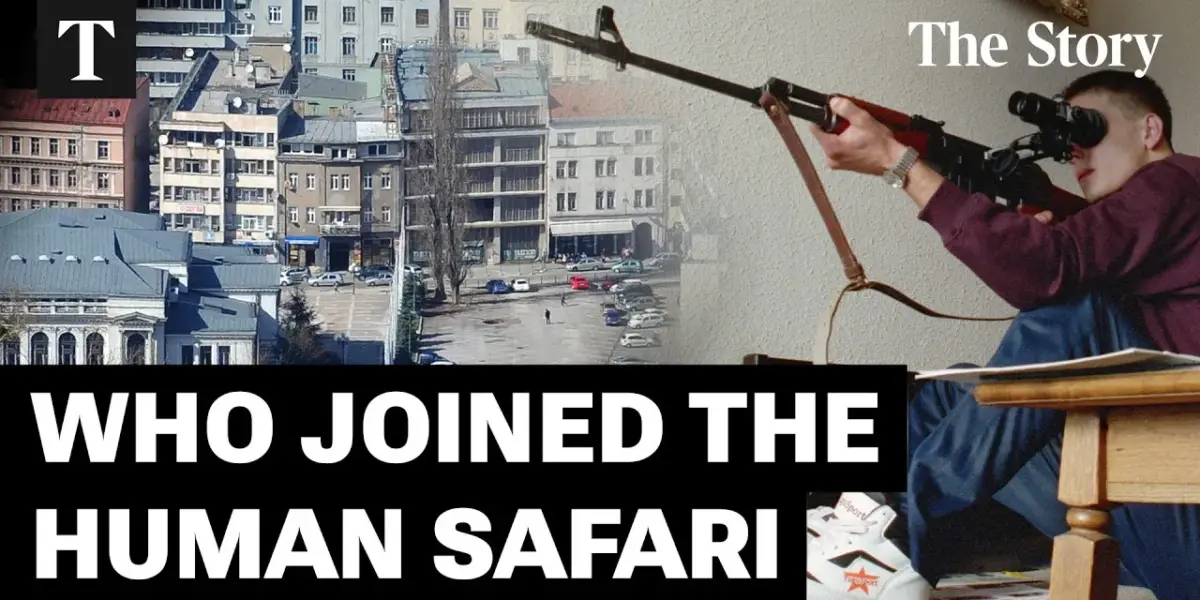
Horror Unveiled: Investigation into ‘Human Safaris’ During Sarajevo Siege
Thirty years after the brutal siege of Sarajevo, a chilling new investigation is probing disturbing allegations that wealthy foreign tourists paid to hunt and kill civilians in the besieged city. Italian prosecutors have reopened an inquiry into individuals, primarily from Italy, who are suspected of participating in what has been dubbed the ‘Sarajevo human safari’ during the Bosnian War in the 1990s. The revelations stem from a renewed push by journalists and a brave eyewitness who has come forward to share his harrowing account.
The Siege of Sarajevo: A City Under Siege
The Bosnian War, which erupted in the early 1990s following the collapse of Yugoslavia, saw Sarajevo subjected to a relentless siege by Bosnian Serb forces. Lasting over a thousand days, the siege resulted in the deaths of more than 10,000 civilians, including thousands of women and children. Residents endured constant shelling, sniper fire, and a crippling blockade that cut off essential supplies like food, water, and electricity. The world watched as the city lived a ‘half-life,’ a surreal existence of hiding from unseen killers while facing starvation.
Whispers of ‘Human Safaris’ Emerge
Even during the conflict, dark rumors circulated about a macabre form of ‘war tourism.’ These whispers suggested that foreigners were not only visiting Sarajevo but were paying to participate in the violence, turning the suffering of civilians into a deadly sport. Reports from Italian newspapers in 1995 and recollections from a US Marine in 2007 hinted at these disturbing practices, but the stories remained largely unverified, too outlandish for many to believe.
“I am of clear consciousness and I’m ready to stand up in front of God and everyone and say it all.”
Eyewitness Account
Eyewitness Testimony Ignites New Investigation
The story gained significant traction in November last year when Italian journalist Etsio Gavateni began investigating the alleged ‘Sarajevo Safari.’ This journalistic endeavor prompted Italian magistrates to reopen a dormant investigation, spurred by the potential involvement of Italian nationals. Tom Kingington, Italy correspondent for The Times, has been instrumental in bringing these allegations to light, detailing how the investigation is now focusing on wealthy foreigners who allegedly paid members of the Bosnian Serb army for the opportunity to shoot at civilians.
The Horrors Described by an Eyewitness
Central to the renewed investigation is the testimony of Aleksandar Ličanin, a former member of the Bosnian Serb forces who worked for the city’s transport authority and later joined a tank unit. Ličanin, who has chain-smoked and rarely smiled during interviews, described the grim reality of the siege from his vantage point. He recounted witnessing a separate paramilitary unit, led by Slavko Aleksić, engaging in brutal acts, including targeting civilians, women, and children. Aleksić himself is described as a figure of terror, driving a jeep with a human skull mounted on the hood and wearing a UN helmet.
Ličanin’s account details how, starting around 1993-94, foreigners began appearing. He observed them, expensively dressed, being assisted by Aleksić’s militia to take up sniper positions. These individuals, he believes, were paying for the privilege of shooting at people below. He expressed his disgust, stating:
“They did it just because they had the power to do it. Sadism. They had sick minds.”
Aleksandar Ličanin
The logistics of these alleged ‘safaris’ involved gatherings in Trieste, Italy, with travel to Sarajevo potentially via helicopter from Belgrade or by truck and bus. Reports suggest the cost was substantial, with some estimates ranging from £800 for a bus trip to as high as £80,000 or £90,000 for the entire experience. Ličanin claims that foreigners paid extra for the ‘privilege’ of targeting children or pregnant women.
The Shadow of Accusations: Aleksandar Vučić
The investigation has also cast a shadow over Aleksandar Vučić, the current President of Serbia. Ličanin alleged that Vučić, as a young man, worked as an interpreter for these foreign visitors and was stationed with Aleksić’s militia. Croatian journalist Zlatko Margretić has produced documents suggesting Vučić, then working as a journalist covering the war, escorted foreigners through Bosnia. Vučić has vehemently denied these claims, stating he was a journalist and not involved with any militia, and his spokesperson dismissed the allegations as disinformation aimed at undermining Serbia’s credibility. Notably, the deceased militia leader Aleksić had also previously denied Vučić’s involvement.
Justice and Accountability: The Path Forward
The Italian investigation is ongoing, with prosecutors examining evidence and interviewing potential witnesses. One individual, an 80-year-old truck driver and gun collector from northern Italy, who had reportedly boasted about his involvement, was questioned but denied participation. Prosecutors are reportedly looking into at least three other names. The renewed focus has also encouraged other voices, such as former Sarajevo police official Zlatko Milić, who claims a Romanian woman sniper allegedly killed more than 10 people.
While the focus may initially be on Italian participants, there is hope that the investigation could prompt similar inquiries in other countries, including Britain. The scars of the siege remain deep for survivors like Ličanin, who suffers from nightmares. He believes those who paid to kill civilians likely do not share his torment, stating, “I don’t think that any of the foreigners who came to Sarajevo to shoot at people will be suffering from nightmares. I guess… they simply had sick minds.” The pursuit of justice for the victims of these alleged ‘human safaris’ is a long and complex process, but the current investigation offers a glimmer of hope for accountability after decades of silence.
Source: ‘they Had Sick Minds’: A Human Safari in Sarajevo (YouTube)

Related Articles


General Warns of War Crime Trials for U.S. Military
Retired U.S. Army Brigadier General Steve Anderson warns that U.S. military members could face Nuremberg-style trials for war crimes. He criticizes former President Trump's handling of international conflicts, particularly in Iran, calling it a major geopolitical blunder. Anderson urges strategic international action for accountability after the current administration.


Trump Accused of War Crimes Amidst Failed Iran Talks
Former President Donald Trump faces accusations of war crimes following the collapse of talks with Iran. Legal experts argue his actions violated international law and ignored allies' calls for a ceasefire, raising serious questions about accountability.


Pope Condemns War, Stands Firm Against US Aggression
Pope Leo XIV has publicly condemned war crimes and aggressive U.S. policies, canceling a planned visit due to alleged threats. His strong stance emphasizes compassion and rejects the justification of violence in the name of religion, drawing parallels to historical papal struggles for independence.