MAGA Host’s Epstein Files Defense Crumbles Under Scrutiny
A MAGA host's attempt to deflect questions about Donald Trump's involvement in the Epstein files unravels under scrutiny, revealing a pattern of partisan defense and inconsistent application of accountability standards. The analysis explores the double standards in testimony demands and the broader implications for transparency and justice.

The Epstein Files: A Test of Transparency and Accountability
The recent release of documents pertaining to Jeffrey Epstein’s network has reignited a crucial debate about transparency, accountability, and the selective application of justice. While the files themselves are complex and contain redactions that raise further questions, the public discourse surrounding them has exposed stark political divisions and a concerning tendency to deflect rather than confront uncomfortable truths.
Shifting the Goalposts: From Facts to Distractions
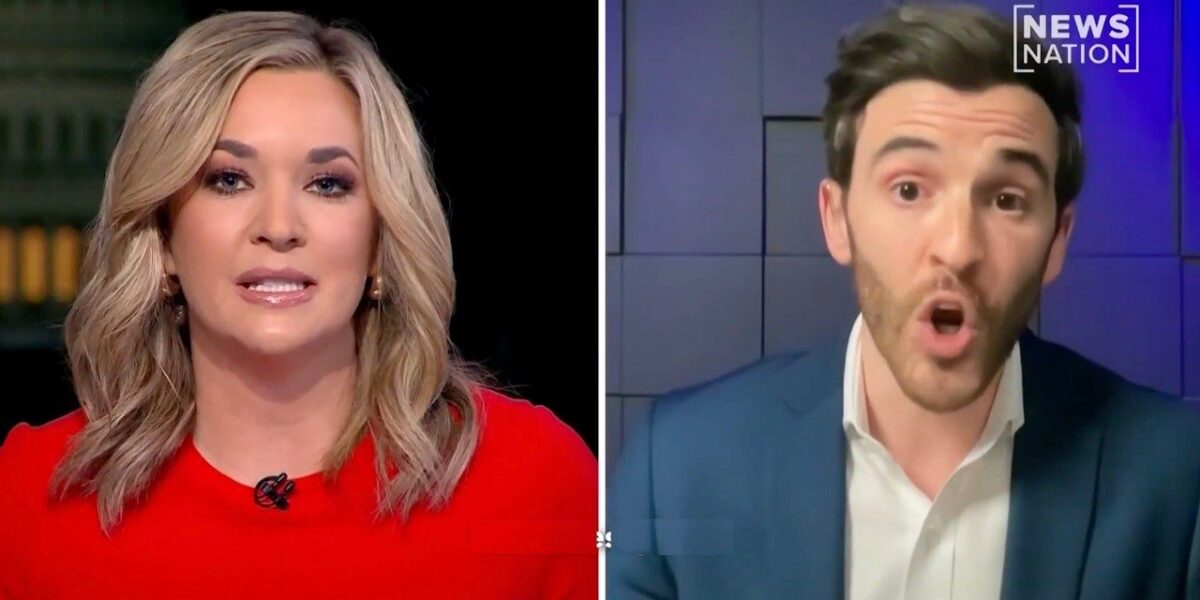
The transcript reveals a tense exchange where a MAGA host, initially focused on what she termed “local Democrats letting criminals out of prison,” is pressed on the implications of Donald Trump’s repeated mentions in the Epstein files. The host’s immediate reaction is to pivot, labeling the Epstein inquiry a “distraction” and attempting to steer the conversation toward unrelated issues like alleged illegal immigration and registered sex offenders in local politics. This tactic, a classic deflection, aims to change the subject from a potentially damaging narrative to one that elicits a more predictable, partisan reaction.
The interviewer, however, pushes back, highlighting the inconsistency. “When you have the sitting president of the United States… implicated in the biggest sex trafficking ring in the history of this country,” the argument goes, “the word ‘implicated’ is pretty strong.” The host’s defense hinges on the assertion that the documents contain “no evidence at all of criminal wrongdoing” on the president’s part, a claim that directly contradicts the very nature of an ongoing investigation and the public’s right to scrutinize such connections. The implication is clear: while a registered sex offender running for local office is presented as disqualifying, a sitting president’s alleged ties to a vast sex trafficking network are to be dismissed as irrelevant or unproven.
The Double Standard of Testimony
A central point of contention is the differing treatment of public figures regarding testimony in investigations. The interviewer draws a parallel to the past, noting that both Bill and Hillary Clinton testified in relation to Epstein, despite Hillary Clinton’s alleged lack of direct involvement. The premise is simple: if prominent figures from one political party can be called to testify, why should a figure from another party, particularly one named extensively in the files, be exempt?
The MAGA host’s response, echoed by others in similar situations, suggests that the president has “much bigger issues to deal with” and that he has already “answered hundreds if not thousands of questions.” This argument sidesteps the core issue: the demand for direct, sworn testimony under oath, a fundamental aspect of investigative due process. The claim of having “answered questions” is easily countered by the assertion that “lying is not transparency.” The release of documents, while a step towards transparency, does not equate to personal accountability or the opportunity for cross-examination.
Historical Context: A Precedent for Accountability
The debate over testimony is not new. The interviewer references James Comey, a Republican, who pushed for Bill Clinton’s testimony. This historical precedent is used to underscore the perceived hypocrisy of current Republican stances that seek to shield Donald Trump. The argument suggests that the very principles of oversight and accountability that were applied to previous administrations are now being selectively abandoned when they might implicate a favored political figure.
Furthermore, the discussion touches upon the potential implications of these differing standards for the future. If a sitting president can evade testimony, what precedent does this set for future administrations? The fear expressed is that powerful individuals will always find ways to avoid accountability, creating a two-tiered system of justice. Conversely, the argument is made that Bill and Hillary Clinton’s willingness to testify, if it becomes a norm, could actually be a positive development, forcing a broader “clearing of this elite class” that associated with Epstein.
Transparency vs. Obfuscation: The Redactions and the Temper Tantrums
The conversation also addresses the redactions within the released documents, which have left survivors and the public unsatisfied. Entire witness interviews being blacked out fuels suspicion and undermines the narrative of full transparency. The host’s dismissive response, suggesting it’s “time for the country to get onto something else,” further exacerbates this concern. When faced with direct questioning about the files and the survivors’ dissatisfaction, the response devolves into personal attacks on the reporter and accusations of dishonesty against their news organization. This is characterized not as transparency, but as “obfuscation” and “temper tantrums.”
The Political Chess Match: Subpoenas and Future Implications
The analysis extends to the broader political landscape, considering the potential shift in power in Congress. If Republicans lose their House majority, Democrats would gain subpoena power, potentially forcing Donald Trump to testify. Even if the Department of Justice under a Republican administration were to refuse enforcement, such actions would further expose complicity in a cover-up. The establishment of a precedent by Republicans to haul former presidents before Congress is seen as a double-edged sword, one that could eventually be turned against Trump himself.
The interviewee suggests that Donald Trump has “far more at stake” and that the current situation might be a “trap” set by figures like James Comey. The willingness of prominent Democrats to testify is framed as a strategic move that removes the political excuse for others to evade scrutiny. The ultimate goal, as articulated, is a “moral reckoning” and a “clearing of this class” of individuals who associated with Epstein, regardless of their political affiliation. This is presented as a unifying issue that transcends party lines, a necessary step to “restore the Democratic project.”
Why This Matters
The Epstein files and the subsequent public reactions highlight a critical juncture for American democracy. The willingness to engage with uncomfortable truths, to hold powerful individuals accountable regardless of their political standing, and to uphold principles of transparency are essential for maintaining public trust. The observed deflection tactics, the double standards applied to testimony, and the dismissal of legitimate inquiries suggest a dangerous trend of prioritizing political expediency over justice. The future integrity of democratic institutions hinges on the ability to confront such issues head-on, ensuring that no one is above scrutiny, especially when allegations involve profound crimes against vulnerable individuals.
Implications, Trends, and Future Outlook
The trend observed is a polarization of responses to the Epstein revelations, with partisan loyalty often trumping the demand for accountability. This suggests that future investigations involving prominent figures will likely become even more contentious, further eroding public faith in institutions. The outlook is one where the pursuit of truth may increasingly depend on shifts in political power rather than a consistent application of legal and ethical standards. The call for a “clearing of this class” indicates a growing public weariness with perceived elite impunity, a sentiment that could fuel further political upheaval if not addressed.
Source: MAGA host PANICS on her OWN show when confronted about Epstein (YouTube)

Related Articles

White House Ignores Crises for Trump’s 80th Birthday Bash
The White House's social media team focused on promoting Donald Trump's 80th birthday party instead of addressing failed US-Iran talks and rising prices. This decision raises questions about the administration's priorities and its use of government platforms.


Trump’s Core Voters Flee: A Stunning Political Reversal
Donald Trump's support among white, non-college-educated voters has dramatically fallen from a 36-point lead to a negative 4-point rating. This marks an unprecedented situation where he is reportedly underwater with every demographic group.

Trump Sees Iran War Ending Soon Amidst Escalating Threats
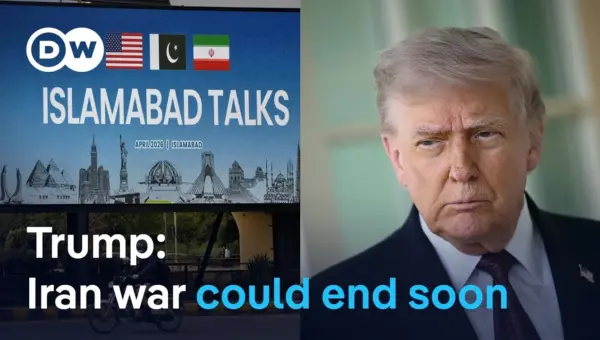
U.S. President Donald Trump expressed optimism that the conflict with Iran could end soon, despite ongoing threats between the two nations. A senior Iranian official warned of regional trade blockades if U.S. naval blockades are not lifted. Experts caution that any deal must address core issues, not just short-term military gains, to achieve lasting strategic success.