Iran Strikes Neighbors: Gulf Relations Suffer Amid Retaliation
Iran's retaliatory strikes have reverberated across the Gulf, damaging relations with neighboring countries and impacting civilian infrastructure. Experts warn that these actions jeopardize fragile diplomatic progress and violate the sovereignty of U.S. allies in the region.

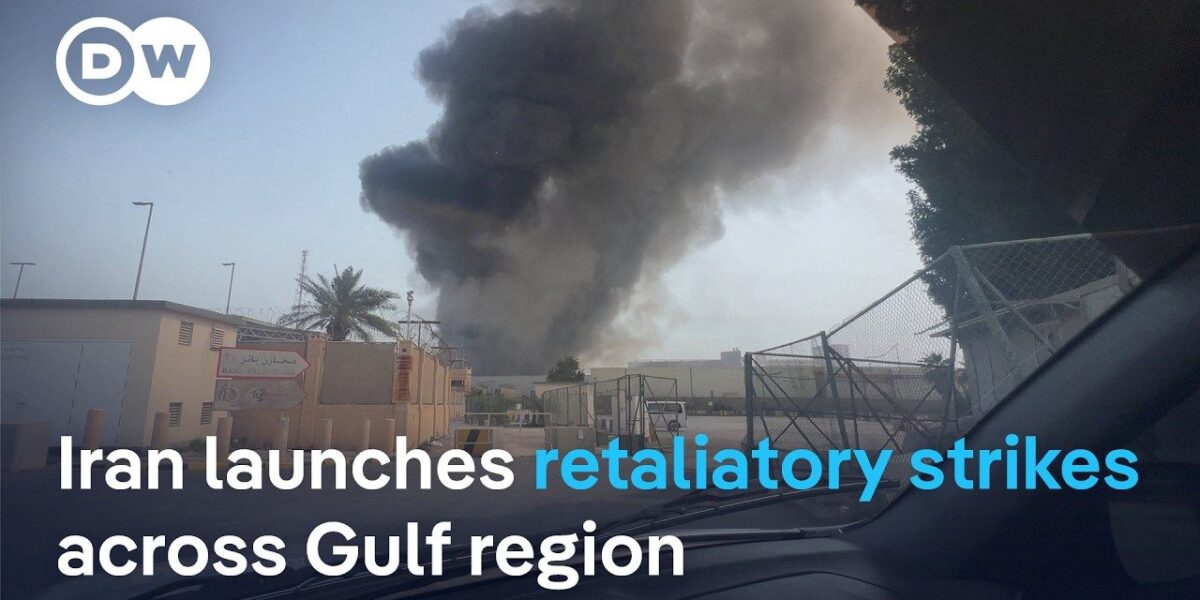
Iran’s Retaliatory Strikes Ripple Across Gulf, Damaging Regional Ties
DUBAI, UAE – Iran’s recent wave of retaliatory strikes, launched in response to alleged attacks by the U.S. and Israel on its territory, has sent shockwaves across the entire Gulf region, impacting key U.S. allies and potentially fracturing diplomatic ties. The Iranian government has stated that it views all U.S. interests, bases, and centers of influence as legitimate targets in its response. However, these actions have drawn sharp criticism from neighboring Arab states, who argue that Iran’s retaliation is misguided and serves only to further isolate Tehran at a critical juncture.
Civilian Infrastructure and Sovereignty Violated
The impact of Iran’s strikes was felt even in normally insulated economic hubs like Dubai. A luxury hotel on the iconic Palm Island, a symbol of opulence and security, was among the civilian structures hit. Reports indicate that the UAE intercepted over 136 ballistic missiles and 200 drones fired at its territory. A senior UAE diplomat, Anoir Gargash, expressed strong disapproval, stating on X, “This escalation only reinforces the narrative that Iran is the primary source of danger in the region.” He urged Iran to “Deal with your neighbors with reason before the circle of isolation and escalation widens.”
Similar incidents occurred over Qatar, which hosts the largest U.S. military base in the Middle East. The Qatari government condemned the attacks as a “flagrant violation of its sovereignty” and reserved the right to respond. Both the UAE and Qatar host U.S. troops, making them, in Iran’s view, fair game for retaliatory actions. Beyond these two nations, Iran’s drones and missiles have also reportedly targeted Bahrain, Kuwait, and Jordan, further escalating regional tensions.
Gulf States Condemn Iranian Actions
The repercussions of these strikes have been swift and severe. In Jordan, ministers from the country and Syria held a joint press conference to condemn the targeting of Jordanian territory by Iranian missiles, alongside the attacks on other Arab states. “I reiterate in light of the ongoing regional events, our strongest condemnation of the targeting of Jordanian territory by Iranian missiles as well as the targeting of the territories of other brotherly Arab states,” stated a Jordanian minister.
The broader implications of these cross-border strikes have led several Middle Eastern countries to close their airspace, causing significant disruption and stranding tens of thousands of passengers. This disruption underscores the volatile security environment created by the escalating conflict.
Expert Analysis: Damaged Relations and Loss of Trust
Giorgio Cafiero, CEO of Gulf State Analytics and an adjunct assistant professor at Georgetown University, provided a stark assessment of the damage inflicted on Iran’s relationships with its neighbors. “The manners in which Iran is choosing to retaliate to the American and Israeli aggression, in my opinion, will do quite a bit to damage Iran’s relationships with GCC countries,” Cafiero explained.
He highlighted that all six GCC members have now been targeted, a significant development, especially considering Oman’s role as a key mediator in the Gulf. “We are seeing very strong statements coming from the Gulf Arab statesmen, making it very clear that Iran’s aggressive behavior toward them and Iran’s violations of their sovereignty are unacceptable, breaches of international law,” Cafiero noted.
Cafiero emphasized that these Gulf nations were actively working to de-escalate the situation and provide diplomatic off-ramps for the U.S. administration. “And it’s not their fault that the US and Israel chose to strike Iran. Yet, they have to pay the price in terms of dealing with Iran’s wrath,” he added.
Iran’s Justification Falls Flat
The Iranian narrative that its actions are directed at U.S. military bases rather than the host countries themselves is not resonating with Gulf Arab leaders. “The Iranian line that these are not attacks on these Gulf Arab countries, but rather on US military bases in these countries is not really having any effect on the Gulf Arab leaders who understand that these bases are on their country’s soil. Thus, it’s a violation of their sovereignty,” Cafiero stated. Furthermore, Iran’s alleged targeting of civilian infrastructure like hotels and airports exacerbates the situation.
Strain on Saudi-Iran Normalization
The normalization agreement between Saudi Arabia and Iran, brokered in Beijing nearly three years ago, is now under considerable strain. Cafiero expressed concern that the recent actions by Tehran could jeopardize this fragile détente. “Right now, I think there’s good reason for both sides to be worried about this détente between Riyadh and Tehran falling off track because of the way in which Iran has decided to respond to the US and Israel’s act of aggression,” he warned.
Questions Over Military Control
In the wake of these events, an interview with Iran’s Foreign Minister, who suggested that some of Iran’s military units had become “independent and somewhat isolated,” has raised questions about the leadership’s control over its armed forces. However, Cafiero interpreted this statement differently.
“I did not necessarily read his statement as one in which the Iranian leadership is suggesting that it no longer has control over its military. All right, that was Georgio Cafier talking to us from Washington DC. Thank you very much for your analysis.”
Cafiero suggested that the Foreign Minister’s remarks might have been an attempt to salvage the close relationship between Iran and Oman, which was reportedly targeted. “Many people who have been following this relationship closely, myself included, were rather baffled that Iran would decide to target uh [Dukm] in Oman. And I think perhaps this message from Iran’s foreign minister was an effort to try to salvage uh the good relationship between Tehran and Muscat and to try to heal some of the um to try to address some of the damage and to try to reverse it,” he explained.
Looking Ahead
The coming weeks will be crucial in determining the long-term impact of Iran’s counterstrikes on its regional standing. The reactions of GCC states, the U.S. response, and any further diplomatic overtures or escalations will be closely watched. The stability of key diplomatic channels, particularly the Saudi-Iran relationship, will be a significant indicator of whether the region can navigate away from further conflict or descend into a wider conflagration.
Source: How damaging are Iran's counterstrikes for the relations with its neighbors? | DW News (YouTube)

Related Articles


EU Warships Near Cyprus Test Defense Without US
European Union warships have deployed near Cyprus, marking a potential turning point for the bloc's collective defense capabilities without U.S. involvement. The move follows a drone attack on a British base and highlights Cyprus's strategic location. While seen as a low-risk show of solidarity, it raises questions about Europe's long-term defense independence.


Diesel Tops $5 Per Gallon Amid Iran War
Diesel prices have surpassed $5 per gallon in the U.S. due to the war in Iran disrupting global oil supplies. This surge impacts everything from food to manufacturing, raising inflation concerns and potentially slowing economic growth through 2026.
Carrier Power Hits Iran’s Strait of Hormuz Tactics
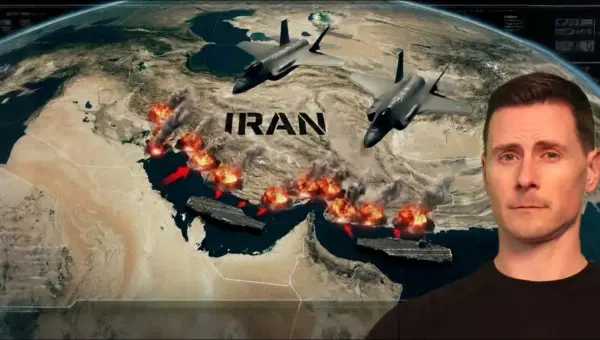
The U.S. Navy's USS Abraham Lincoln is launching relentless fighter jet waves against Iran's Strait of Hormuz tactics. Aircraft are targeting drone sites and coastal facilities to counter Iran's disruption of global shipping lanes. This operation aims to secure vital maritime trade routes.