Iran’s Leadership Vacuum: Who Will Succeed Ayatollah Khamenei?
Iran is entering a critical period of leadership transition following the death of Supreme Leader Ayatollah Khamenei. A temporary council is in place while the Assembly of Experts prepares to elect a successor, with early assessments pointing towards a potential hardline figure. The outcome will significantly impact regional stability and international relations.

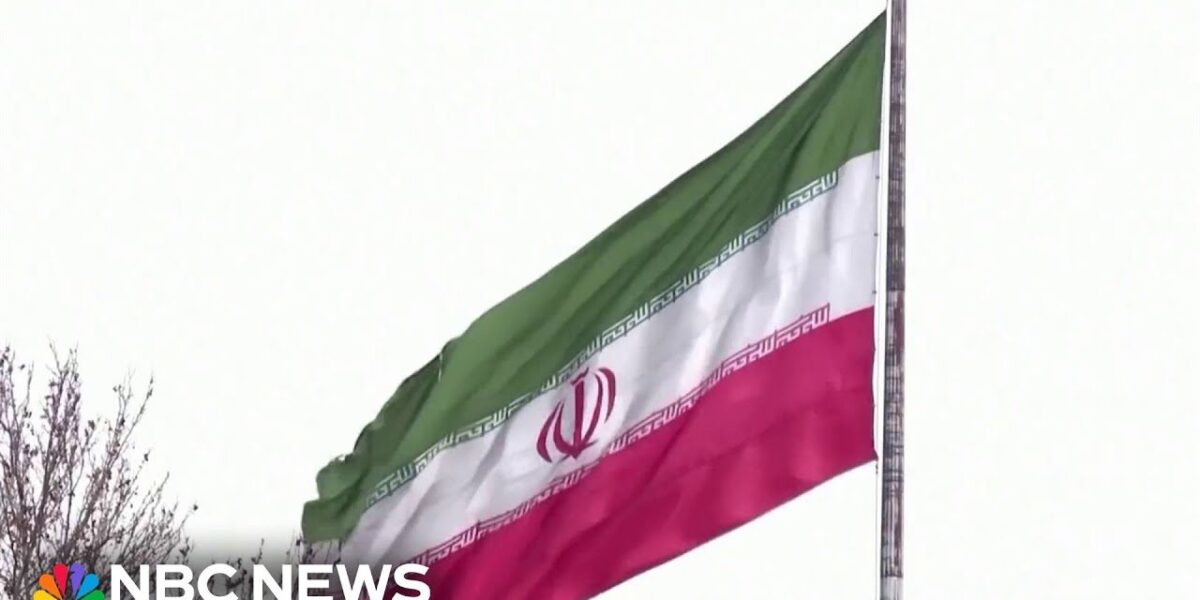
Iran Faces Uncertain Future After Supreme Leader’s Death
DUBAI – Iran is navigating a significant leadership transition following the death of Supreme Leader Ayatollah Khamenei. A temporary three-man council has been established to govern the nation until a permanent successor is chosen, injecting a new layer of uncertainty into a region already experiencing heightened tensions. The council comprises Iran’s democratically elected President, who wields limited executive power; Iran’s Chief Justice, a figure sanctioned by the U.S. for alleged human rights abuses; and a senior Islamic cleric. Their immediate mandate is to maintain stability and ensure the continuity of governance.
The Path to Succession: A Clerical Conclave
The process for selecting a new Supreme Leader is outlined by Iranian law, which mandates that the successor must be a man and a member of the clergy. This pivotal decision rests with the Assembly of Experts, a body of 88 religious scholars. This unique electoral process has been likened to the papal conclave in the Vatican, where cardinals gather to elect a new Pope. While the Iranian Foreign Minister has suggested the assembly could convene swiftly, the complexities of such a high-stakes selection process suggest a potentially prolonged period of deliberation.
Potential Successors: Hardliners on the Horizon?
Early assessments suggest that Iran’s next leader is likely to adopt a hardline stance. According to NBC News, citing a CIA assessment conducted prior to recent U.S.-Israeli actions, the incoming Supreme Leader is expected to be a hardliner, potentially with ties to the elite Revolutionary Guard Corps (IRGC). This projection signals a continuation, or even an intensification, of the current political and ideological direction of the country. The IRGC, a powerful military and ideological force within Iran, plays a significant role in both domestic security and foreign policy, and a leader with strong ties to the organization could further consolidate its influence.
The Role of the Assembly of Experts
The Assembly of Experts, responsible for electing and overseeing the Supreme Leader, is a critical institution in Iran’s political structure. Its members are selected through popular elections, but candidates must be approved by the Guardian Council, a body that vets for religious and political qualifications. This intricate vetting process ensures that the assembly’s composition reflects the ruling clerical establishment’s priorities. The selection of the next Supreme Leader will therefore be a decision made by a select group of religious scholars, operating within the framework established by the Islamic Republic.
International Scrutiny and Regional Implications
The death of Ayatollah Khamenei and the subsequent leadership transition are being closely monitored by the international community. Iran’s role in regional conflicts, its nuclear program, and its relationship with global powers are all factors that will be shaped by the policies of its new Supreme Leader. The potential for a hardline successor raises concerns about continued geopolitical friction and the possibility of escalating regional instability. The U.S. and its allies, as well as regional rivals, will be keenly observing the internal dynamics within Iran and the direction of its future foreign policy.
A Nation at a Crossroads
As Iran grapples with this profound moment of change, the choices made by the Assembly of Experts will have far-reaching consequences. The nation stands at a crossroads, with the potential for either a continuation of the status quo under a hardline leader or, less likely, a shift in policy depending on the individual chosen. The coming weeks and months will be crucial in determining the trajectory of Iran’s political landscape, its internal stability, and its engagement with the rest of the world.
What to Watch Next
The immediate focus will be on the convening of the Assembly of Experts and the process by which they select a new Supreme Leader. Observers will be looking for any signs of internal debate or consensus-building within the clerical establishment. Furthermore, any pronouncements or actions by the interim leadership council will provide clues about the immediate priorities and challenges facing the nation. The international community will also be watching for shifts in Iran’s regional posture and its approach to nuclear diplomacy.
Source: After the death of Ayatollah Khamenei, who will lead Iran? (YouTube)

Related Articles
Carrier Power Hits Iran’s Strait of Hormuz Tactics
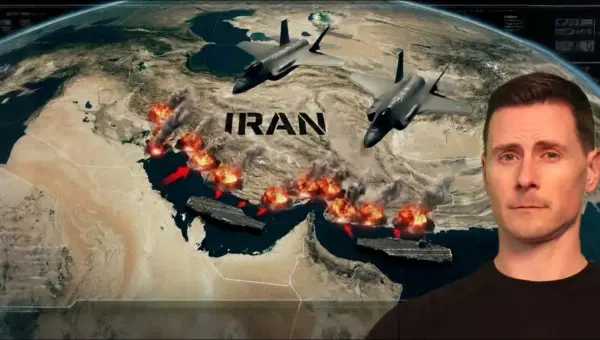
The U.S. Navy's USS Abraham Lincoln is launching relentless fighter jet waves against Iran's Strait of Hormuz tactics. Aircraft are targeting drone sites and coastal facilities to counter Iran's disruption of global shipping lanes. This operation aims to secure vital maritime trade routes.

China Backs US Blockade, Squeezing Iran’s Oil Lifeline
China's backing of a U.S. naval blockade is effectively cutting off Iran's oil exports. This move aims to pressure Iran into negotiations but carries significant political risks for the U.S. president, especially with high gas prices impacting voters.

Soldiers Speak Out, Exposing War’s Brutal Reality
US soldiers are breaking ranks, challenging official narratives after a deadly drone attack in Kuwait. Survivors describe being left exposed and unprepared, contradicting Pentagon claims. This dissent is mirrored by a surge in troops seeking conscientious objector status and a shake-up of military leadership.