Trump Declares War on Iran, Vows ‘Certain Death’ for Resisters
President Donald Trump has announced ongoing combat operations in Iran, vowing "certain death" for those who resist and calling on Iranians to overthrow their regime. The escalation follows the deaths of three U.S. service members, with the administration citing the need to prevent nuclear proliferation and counter terrorism. Congressional reactions are divided, and public opinion remains largely skeptical.

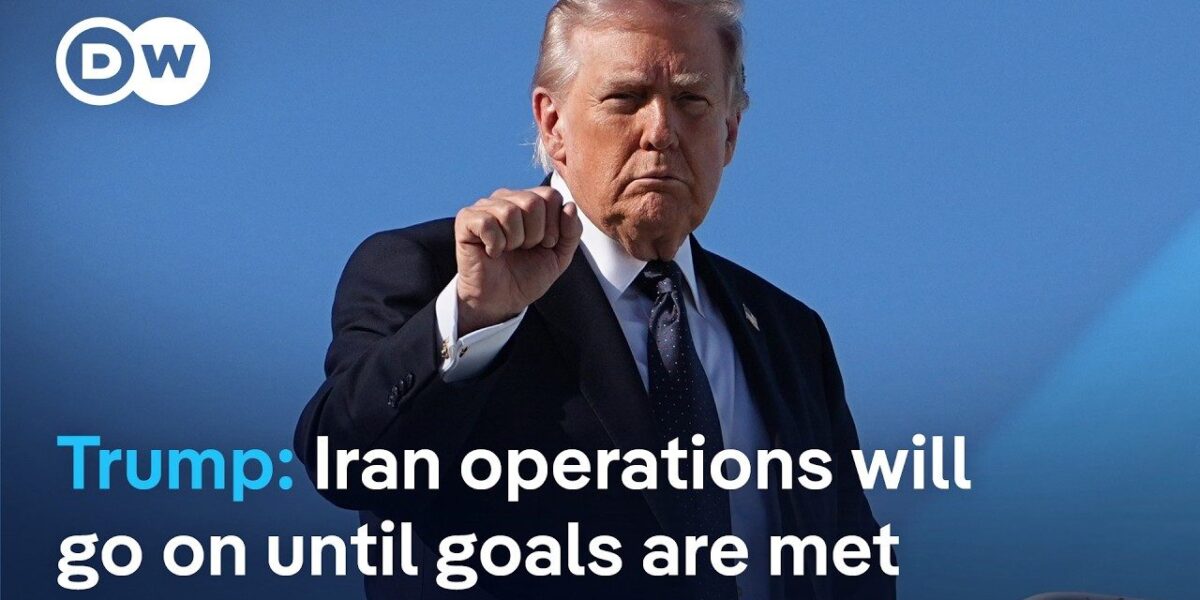
Trump Escalates Conflict with Iran, Citing National Security
Washington D.C. – In a stark escalation of tensions, U.S. President Donald Trump announced that combat operations against Iran are underway and will persist until Washington achieves its objectives. In a forceful video message, Trump confirmed the deaths of three U.S. service members in combat and warned that further casualties are probable. He vowed a strong response to the fatalities and issued a direct ultimatum to Iranian security forces: surrender and receive full immunity, or face “certain death.” The President also issued a direct appeal to the Iranian people, urging them to rise up against the Islamic Republic.
Operation Aims to Prevent Nuclear Weapons, Counter Terrorism
According to DW correspondent Mish Kodski reporting from Washington D.C., President Trump framed the ongoing operation as a critical measure to prevent Iran from acquiring nuclear weapons and to counter what he described as the world’s leading state sponsor of terrorism. While confirming the loss of three American lives and acknowledging the potential for more casualties, Trump asserted the necessity of the mission for both American and global security.
“I call upon all Iranian patriots who yearn for freedom to seize this moment to be brave, be bold, be heroic, and take back your country. America is with you.”
– President Donald Trump
Timeline and Diplomatic Overtures
Reports suggest that President Trump estimates the operation could conclude within four weeks, or potentially less. This timeline aligns with earlier reports from sources close to the White House indicating a strategy of escalating strikes with interspersed pauses for damage assessment. Trump also indicated that the military operation is progressing ahead of schedule and that he has agreed to discussions with Iran. This appears to suggest a dual-track approach, where military action continues as planned while diplomatic channels could open if Iran meets U.S. conditions. As Kodski explained, “talks may be possible but they do not necessarily stop the ongoing operation.”
Congressional Reaction Divided Along Party Lines
The U.S. legislative landscape shows a clear division in reaction to the President’s actions. Republicans have largely voiced support for Trump’s decision, while Democrats have expressed significant opposition. A key focus in Congress is the legal authority for the President to wage war without explicit congressional approval. Key figures, including Secretary of State Mike Pompeo, Defense Secretary Mark Esper, Chairman of the Joint Chiefs of Staff Gen. Mark Milley, and CIA Director John Ratcliffe, are expected to brief both the Senate and the House of Representatives on Tuesday regarding the situation in Iran. However, some lawmakers have reportedly voiced frustration over a lack of advance briefings and detailed information prior to the operation’s commencement, suggesting that Tuesday’s briefings will be closely watched to see if they alter these perceptions.
Public Opinion and Political Tensions
The escalation with Iran presents a complex political challenge for President Trump, particularly concerning his base. Trump campaigned on a platform of avoiding new wars and ending “forever wars.” Recent polling indicates a divided and largely skeptical public opinion regarding the escalation. A significant majority of Americans, 43%, oppose the U.S. attacks on Iran, while only 27% support them, with 29% remaining unsure. This public sentiment underscores the need for President Trump to effectively articulate the rationale behind the operation, especially to voters who supported his promise to steer the U.S. away from foreign conflicts. As President Trump returns to the White House, attention will be on whether he directly addresses these concerns and justifies the current military engagement.
Looking Ahead
The coming days will be critical in observing the trajectory of the conflict with Iran. The congressional briefings are expected to shed further light on the administration’s strategy and legal justifications. Simultaneously, the situation on the ground in Iran, the potential for further U.S. casualties, and any diplomatic responses from Tehran will be closely monitored. The President’s ability to reconcile his actions with his past promises and to win over a skeptical public will be a key factor in the domestic political fallout of this significant foreign policy development.
Source: How are US lawmakers reacting to Trump's war with Iran? | DW News (YouTube)

Related Articles

Trump’s Blockade Fails, Allies Shun Mission: A Pattern?
A reported failure of Donald Trump's blockade of the Strait of Hormuz, with ships passing through unimpeded, raises questions about policy effectiveness. This incident, coupled with allies' reluctance to join the mission, suggests a pattern of unintended consequences and strained international relations.

Trump’s Wild Claims Fuel GOP Chaos and Public Doubt
Donald Trump's recent erratic statements and Republican figures' defense strategies are causing political turmoil. Concerns over economic misrepresentation and the handling of the Jeffrey Epstein case are mounting, leading to a public demanding more accountability and truth.

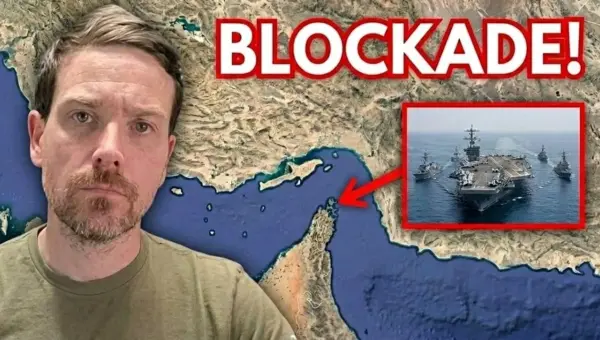
US Navy Blockade Tightens Grip on Iran’s Oil
The US Navy has imposed a strict blockade on Iranian ports, aiming to cripple the nation's oil exports and economy. With warships enforcing the closure, Iran faces significant financial pressure. The long-term effectiveness and potential for escalation remain key concerns.