Trump’s Iran Strategy: A Path to Conflict?
Donald Trump's "maximum pressure" campaign against Iran involved withdrawing from the nuclear deal, imposing harsh sanctions, designating the IRGC as a terror group, and increasing troop deployments. This analysis examines the implications and historical context of these actions, questioning whether they led the U.S. closer to war.

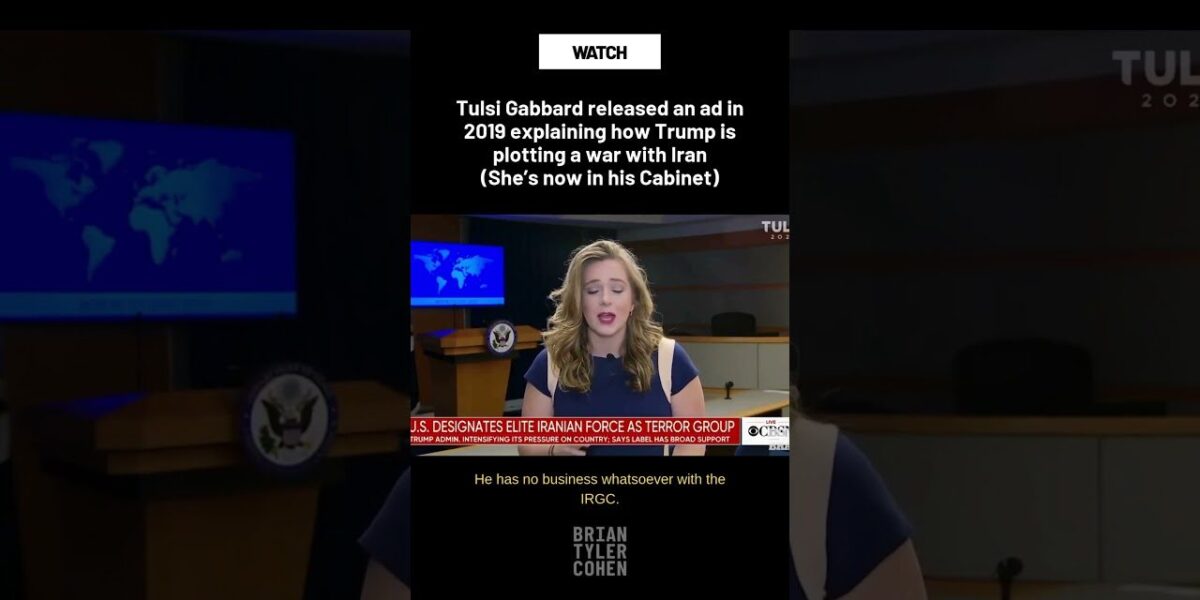
Trump’s Iran Strategy: A Path to Conflict?
The Trump administration’s approach to Iran has been characterized by a deliberate and escalating series of actions, a strategy that critics argue has pushed the United States closer to direct conflict with the Islamic Republic. Examining the key policy shifts and rhetoric employed during this period reveals a calculated campaign of “maximum pressure” that has fundamentally altered the geopolitical landscape in the Middle East.
Dismantling the Nuclear Deal
The first significant step in this strategy was the withdrawal from the Joint Comprehensive Plan of Action (JCPOA), commonly known as the Iran nuclear deal, in May 2018. President Trump declared, “I am announcing today that the United States will withdraw from the Iran nuclear deal.” This move defied international consensus, as United Nations inspectors had reported that Iran was still complying with its obligations under the agreement. The decision to abandon the deal, which aimed to prevent Iran from developing nuclear weapons in exchange for sanctions relief, was a key moment, signaling a departure from multilateral diplomacy and a preference for unilateral action.
Imposing Crippling Sanctions
Following the withdrawal from the JCPOA, the Trump administration implemented a sweeping array of sanctions against Iran. These sanctions were designed to cripple Iran’s economy, targeting key sectors such as oil exports, banking, and even its access to critical technologies. The transcript notes, “The sanctions kicking in at midnight Sunday target Iran’s oil exports, banking, and chip.” Despite Iran’s continued adherence to the nuclear deal as verified by international bodies, the U.S. Pursued “additional sanctions, tougher than ever before.” This aggressive economic warfare aimed to isolate Iran and force it to renegotiate a new deal more favorable to U.S. Interests, but it also inflicted significant hardship on the Iranian population.
Designating the IRGC as a Terrorist Organization
A further escalation occurred with the designation of Iran’s Islamic Revolutionary Guard Corps (IRGC) as a foreign terrorist organization. Secretary of State Mike Pompeo announced, “Today, the United States is continuing to build its maximum pressure campaign against the Iranian regime.
I am announcing our intent to designate the Islamic Revolutionary Guard Corps, including its goods force, as a foreign terrorist organization.” This unprecedented move carried significant implications. Under this designation, the U.S. Could impose sanctions on virtually any entity or individual engaging in business with the IRGC, thereby increasing the risk of confrontation and complicating diplomatic engagement.
Military Buildup in the Region
Concurrently with these diplomatic and economic measures, the Trump administration strengthened its military presence in the Middle East. The Pentagon authorized the deployment of additional U.S. Troops to the region, with the transcript stating, “Just moments ago, the Pentagon authorized an additional 1,000 American troops to the Middle East in response to growing concerns over Iran.” the deployment of an aircraft carrier and a bomber task force closer to Iran underscored the heightened military posture. This military buildup, coupled with bellicose rhetoric, such as “Yes, there will indeed be hell to pay.
Let my message today be very clear. We are watching and we will come after you,” created an environment of intense tension and increased the potential for miscalculation and escalation.
Calls for Restraint and Legislative Action
The transcript also highlights a dissenting perspective, articulating a clear concern about the trajectory towards war. “We’ve got to stop Donald Trump from starting a war with Iran,” the speaker urges, advocating for legislative action.
The proposed “No More Presidential Wars Act” represents an effort to curb the executive branch’s unilateral authority to engage in military conflict. The appeal for public support and campaign contributions highlights the political dimension of this debate, with advocates seeking to mobilize public opinion and influence policy through democratic means.
Why This Matters
The Trump administration’s approach to Iran is a critical case study in foreign policy decision-making, particularly concerning the use of economic, diplomatic, and military tools. The strategy of “maximum pressure” aimed to achieve specific foreign policy objectives, but it also carried substantial risks. The dismantling of the JCPOA removed a key non-proliferation mechanism, while the aggressive sanctions regime had profound humanitarian consequences.
The designation of the IRGC and the military deployments heightened tensions and increased the likelihood of unintended conflict. This period highlights the complex interplay between domestic politics, international relations, and the potential for escalating geopolitical crises.
Implications, Trends, and Future Outlook
The legacy of the Trump administration’s Iran policy continues to shape current U.S.-Iran relations. The “maximum pressure” campaign, while intended to force concessions, arguably solidified Iranian resistance and pushed its nuclear program forward in subtle ways. The future outlook remains uncertain, with ongoing debates about the efficacy of sanctions, the prospects for diplomatic engagement, and the ever-present risk of military confrontation.
The trend towards increased regional instability, fueled by the Iran-U.S. Standoff, is a significant concern. Any future administration will grapple with the consequences of these past actions and the challenge of navigating a path towards de-escalation and stability.
Historical Context and Background
Understanding the Trump administration’s actions requires acknowledging the decades-long adversarial relationship between the United States and Iran. Following the 1979 Iranian Revolution and the subsequent hostage crisis, relations soured dramatically.
The JCPOA, negotiated under the Obama administration, represented a significant attempt to break this cycle of hostility by addressing Iran’s nuclear ambitions through diplomacy. The Trump administration’s decision to withdraw from this agreement was a stark departure from that approach, returning to a more confrontational posture that echoed earlier periods of tension.
The narrative presented in the transcript, while advocating for a specific political position, accurately captures the sequence of events and the stated rationales behind the Trump administration’s Iran policy. It is a reminder of the critical importance of scrutinizing presidential actions, understanding their potential consequences, and engaging in informed public discourse about matters of war and peace.
Source: Trump official’s hypocrisy CAUGHT in unearthed video (YouTube)

Related Articles

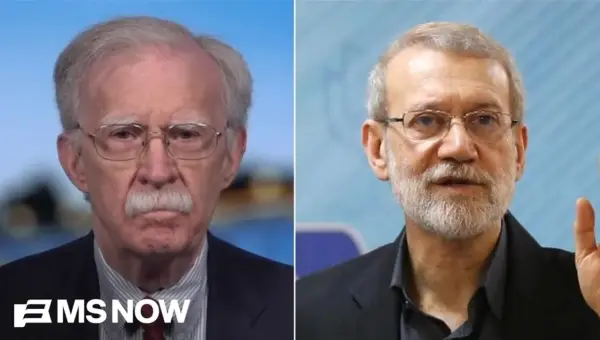
Bolton Slams Trump’s Iran Policy as ‘Snake-Like’
John Bolton, former National Security Advisor, has strongly criticized former President Trump's Iran policy as "snake-like" and lacking a clear strategy. Bolton stated that Trump's decisions were often impulsive, undermining U.S. credibility and creating instability in the Middle East. He called for a more consistent and strategically grounded approach to foreign policy.
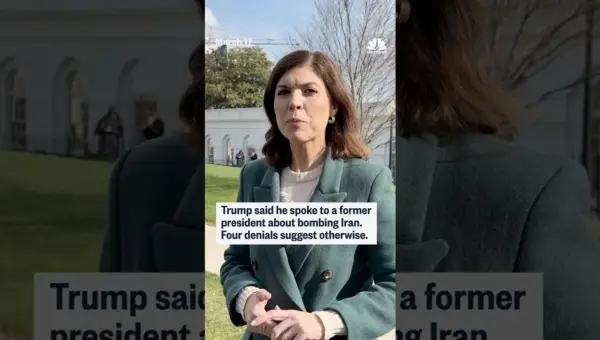
Trump Claims Presidential Call; Four Denials Emerge
Former President Donald Trump claimed he spoke with a past president who regretted not taking a certain action, implying approval of his own policies. However, aides for George W. Bush, Bill Clinton, Barack Obama, and sources close to Joe Biden have all denied any such conversations occurred. Trump has remained evasive when asked to identify the individual.
Israel Strikes Key Iran Leaders, Boosts Regional Security
Israel has eliminated key Iranian militant leaders, including Lar Johnny, a potential successor to the Ayatollah, and Solommani, head of the repressive Beiji militia. The operation, based on extensive intelligence, also killed hundreds of militia members. This significant strike aims to disrupt militant operations and enhance regional security.