US Strikes Iran: What’s Next for Trump’s Regime Change Strategy?
The U.S. has launched significant strikes against Iran, targeting its leadership and military capabilities. While President Trump claims progress, experts question the long-term strategy, potential diplomatic engagement, and support for the Iranian people amidst a leadership vacuum.

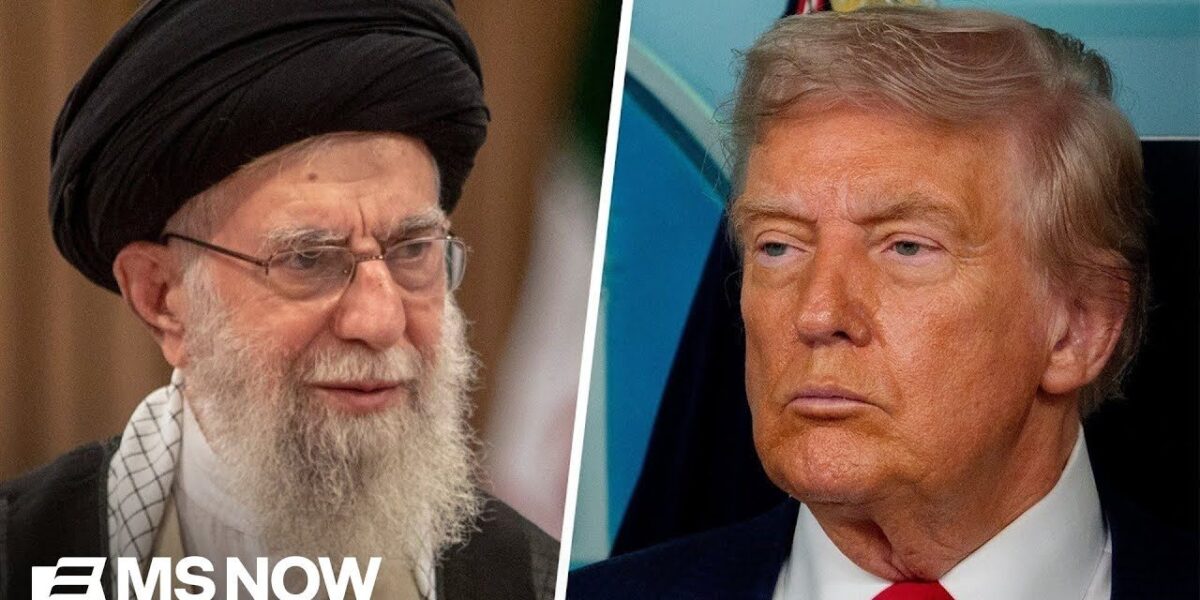
US Strikes Iran: What’s Next for Trump’s Regime Change Strategy?
In a dramatic escalation of tensions, the Trump administration has launched significant military strikes against Iran, targeting top leadership and military infrastructure. The operation, announced early Saturday morning, has effectively decapitated the Iranian regime’s senior command, raising critical questions about the U.S. strategy, potential Iranian retaliation, and the long-term implications for regional stability. While President Trump has declared the U.S. is “ahead of schedule” and moving in a “positive direction,” analysts and officials are grappling with the uncertainty of what comes next, particularly regarding diplomatic engagement and support for the Iranian people.
The Tipping Point: Diplomacy’s Demise
According to U.S. officials, the decision to move away from diplomatic channels and towards military action was precipitated by a firm conclusion that Iran would not abandon its pursuit of nuclear weapons or negotiate on its ballistic missile program. Despite ongoing talks, including planned discussions in Vienna, U.S. leadership perceived a lack of progress in the desired direction. Reports also suggest that persuasive calls from Saudi Arabia and Israel influenced President Trump’s decision at a critical juncture.
“The tipping point was, according to U.S. officials, that they essentially determined or concluded that Iran was not going to give up its pursuit of a nuclear weapon and that it was not willing to negotiate about ballistic missiles,” reported Jeff Mason, Washington correspondent for Bloomberg. This assessment led to the administration informing the President, who subsequently authorized the strikes.
Iran’s Retaliatory Capabilities and Leadership Vacuum
Despite the significant blow to Iran’s senior leadership, retired Major General Dana Pittard noted that the country retains considerable capabilities. “They’ve got a deep bench as far as their leadership. They’re a country of 80 to 90 million people. They’ve got a large military force with a lot of capabilities. Their ballistic missiles are still going, going strong,” Pittard stated. He acknowledged that while command and control at the highest levels have been impacted, the underlying military infrastructure remains formidable.
The strikes have created a leadership vacuum, with the Supreme Leader, the head of the IRGC, the defense minister, and other top intelligence personnel reportedly eliminated. This has left a significant void, prompting speculation about who will emerge to fill these critical roles and how the Iranian populace will react to the perceived weakening of the regime.
The “Opposite of One and Done” Strategy
Columnist David Ignatius of The Washington Post described President Trump’s Iran operation as “the opposite of one and done,” suggesting a long-term commitment rather than a singular punitive action. The President’s stated goal appears to be empowering the Iranian people to replace their regime, a policy that necessitates sustained U.S. involvement and support.
Ignatius elaborated on the significant obligation undertaken by the administration: “If he’s going to do that, it’s going to take a while. That’s a big obligation that he’s undertaken. He’s asked Iranians to risk their lives because he says he’ll stand behind them. If he’s going to do that, if that’s really his policy, he’s going to need support from the country.” This implies a need for congressional backing and public preparedness for a potentially protracted and challenging endeavor.
“Standing with the Iranian people now is a good idea. I think few people who know Iran would doubt that, but it’s a costly one and people need to think it through carefully.” – David Ignatius
The Question of Diplomacy: Who Does Trump Talk To?
A central dilemma emerging from the strikes is the question of future diplomatic engagement. With the Iranian leadership decimated, the prospect of returning to the negotiating table seems complicated. President Trump has historically favored a strategy of “go in strong, POW, and then he then he’d like wants to negotiate,” a pattern observed in previous actions against Iran.
However, the current situation presents a unique challenge. “The problem is that that leaves the country completely in between two regimes with with Khamenei and his his leadership teams shattered new people rushing to try to take their places,” Ignatius observed. The potential interlocutor for President Trump remains unclear. Ali Larijani, a seasoned regime veteran designated to organize policy in the event of Khamenei’s death, is seen as a potential figure, though he is described as “very, very hard line” and possessing “blood on his hands.”
Jeff Mason noted the administration’s consistent messaging, including the President’s frequent assertion that things are “ahead of schedule” and that he is “always willing to talk.” However, he questioned the practical application of being “ahead of schedule” just 48 hours into a major intervention. The resumption of talks, especially after significant military action, appears unlikely in the immediate future, though Mason conceded that a new leadership in Iran might alter this dynamic.
The Path Forward: Support for the Iranian People
General Pittard expressed concern that without a clear plan to support the Iranian people, they could be left in a precarious position. “There’s got to be a plan to support them. I mean, they’re going against an armed force, hundreds of thousands of armed Iranian security forces. And so they must get help if we really do expect to overthrow the regime,” he urged.
The U.S. military’s role, while significant in striking targets like the Iranian Navy and missile capabilities, is limited in its ability to foster regime change internally. “To change a government and change a regime, the people of Iran are going to need help,” Pittard emphasized. The prospect of U.S. involvement without a robust plan for post-strike stabilization and support for democratic aspirations raises concerns among military and foreign policy experts.
Uncertainty and the Hard Part of Ending Conflict
The long-term duration and ultimate success of the U.S. operation remain highly uncertain. “No one really knows,” admitted General Pittard when asked about the potential timeline. He cautioned against the “drunkenness of success,” drawing a parallel to swift, less complex operations, and stressed that “starting a war is always easy. It’s ending the war, and having a peace that is meaningful is the hard part.”
The administration’s grasp of this complexity is a subject of debate among observers. The coming weeks will be crucial in determining whether a coherent strategy for post-strike Iran emerges, and whether the U.S. can effectively support the Iranian people’s aspirations for change while managing regional security and avoiding further escalation.
Source: If the Iranian regime returns to the negotiating table, who does Trump even talk to? (YouTube)

Related Articles
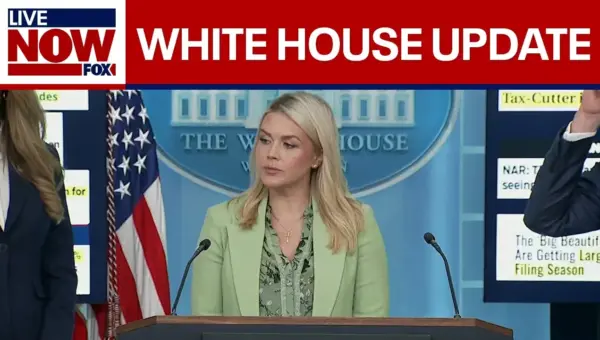
Trump Tax Cuts Deliver Billions Back to Americans
White House officials detailed the success of President Trump's "working families tax cuts" on Tax Day, reporting that over 53 million Americans have claimed significant tax savings and historic refunds. Treasury Secretary Scott Bessant and Small Business Administrator Kelly Leler highlighted benefits for individuals and small businesses, while also addressing economic outlook and international matters.

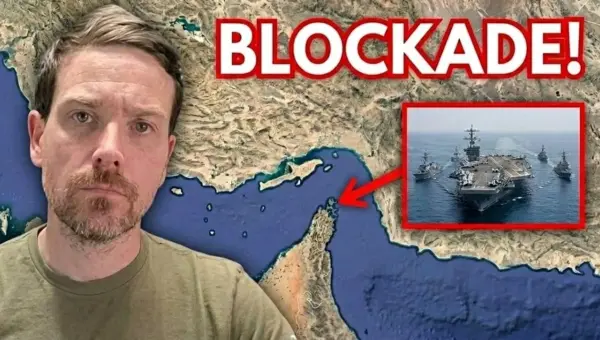
US Navy Blockade Tightens Grip on Iran’s Oil
The US Navy has imposed a strict blockade on Iranian ports, aiming to cripple the nation's oil exports and economy. With warships enforcing the closure, Iran faces significant financial pressure. The long-term effectiveness and potential for escalation remain key concerns.

Trump’s Iran Deal Talk: A Mirror of His Own Desires?
Donald Trump's repeated claims that Iran "wants a deal very badly" might be more about his own desire for an agreement than Iran's. This analysis explores his rhetoric and its potential implications for foreign policy.