US Prepares for Iran Strikes: A Calculated War of Attrition
The United States appears poised for potential strikes against Iran, with military assets amassing in the Middle East. Analysts suggest a limited air campaign, akin to Operation Desert Fox, is probable, targeting IRGC facilities and missile sites. However, risks of Iranian retaliation and regional escalation remain significant.

US Prepares for Iran Strikes: A Calculated War of Attrition
Recent reports suggest the United States is on the cusp of authorizing military strikes against Iran, a move that could dramatically reshape regional dynamics. While President Trump has not made a final decision, the military is reportedly prepared for action, with timelines potentially extending beyond mid-March. The current buildup of naval and air assets in the Middle East, the largest since the 2003 invasion of Iraq, signals a serious consideration of kinetic options. This analysis delves into the potential contours of such an operation, the likely Iranian responses, and the broader implications for regional stability.
The Nature of the Proposed US Operation
Based on the considerable naval and air power currently deployed, a US operation would likely resemble Operation Desert Fox of 1998. This would entail a series of targeted, long-range strikes, estimated to last between four to seven days, aimed at the Iranian Revolutionary Guard Corps (IRGC) and facilities supporting its nuclear program. The objective, as articulated by the Trump administration, appears to be pressuring Iran, potentially in support of internal dissent, and preventing its nuclear ambitions, rather than a full-scale invasion or regime change.
Key targets would almost certainly include ballistic missile launch and storage sites, areas where previous strikes, such as those by Israel during a recent 12-day conflict, proved effective in limiting Iran’s retaliatory capabilities. However, the current US force posture, with its emphasis on air and naval assets and minimal ground troops, makes large-scale ground operations, capturing Iranian leadership, or a prolonged, multi-week air campaign improbable without significant additional logistical buildup and time.
Limited Ground Presence and Special Operations Challenges
The logistical challenges of deploying substantial ground forces into Iran are immense. Moving thousands of troops would be impossible to conceal, unlike the more discreet deployment of special operations forces. While US special operators are highly capable, inserting and extracting them from Iran, particularly for operations targeting leadership in Tehran, presents significant risks due to the distances involved (over 300 miles from Iraq, over 400 miles from Gulf-based ships) and contested airspace. The current force composition suggests that a ground invasion or extensive ground operations are not part of the immediate plan.
The Role of Advanced Air Power and Electronic Warfare
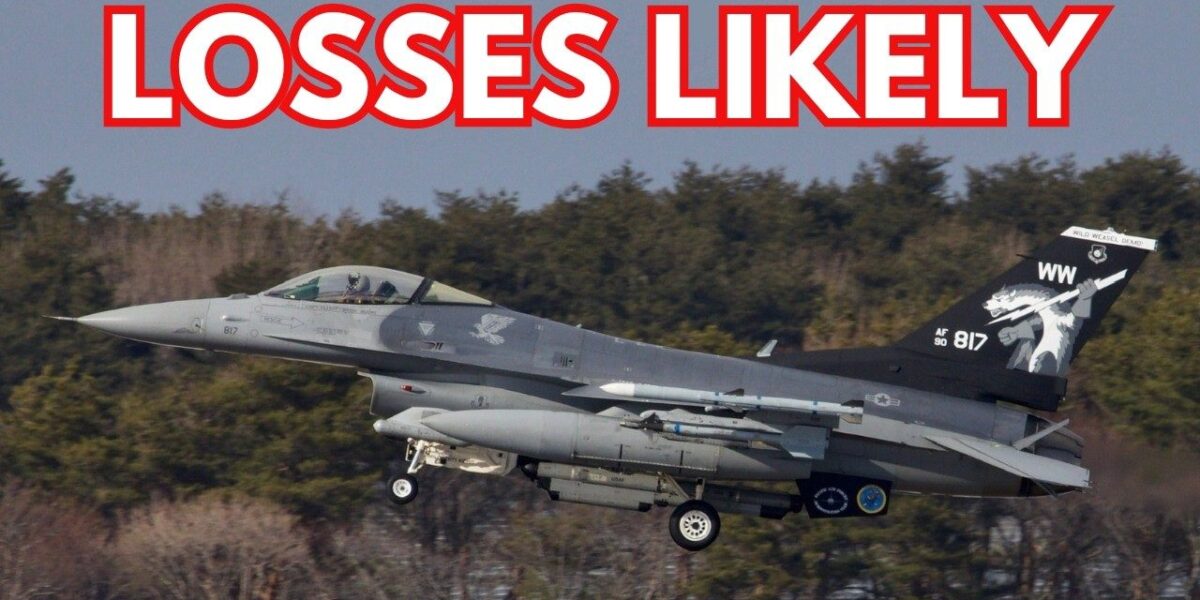
The US is bolstering its air power with advanced assets. Reports indicate that F-16 Vipers equipped with the new ‘Angry Kitten’ electronic warfare pods are being deployed. These pods are designed for the ‘Wild Weasel’ mission, which focuses on suppressing and destroying enemy air defense systems by attracting and neutralizing enemy radars. This capability would be crucial for opening paths for other aircraft and ensuring the effectiveness of strikes against Iranian air defenses. The presence of two carrier strike groups, the USS Gerald R. Ford and the USS Abraham Lincoln, in the region further amplifies the US air and naval striking power.
Allied Hesitation and Logistical Constraints
Despite the military buildup, the US faces challenges securing allied support. The United Kingdom has reportedly denied requests to use its air bases in Fairford and Diego Garcia for offensive strikes against Iran. This denial, citing concerns over violating international law, significantly impacts the US’s ability to stage long-range bomber missions and sustain a prolonged air campaign, as Diego Garcia serves as a critical staging point for heavy bombers.
Potential Iranian Responses and Escalation Risks
Iran, understanding its conventional military inferiority to the US, is unlikely to engage in a direct, symmetrical conflict. Instead, its strategy would likely focus on escalating the conflict regionally and raising the cost for the United States. This could involve launching ballistic missiles and drones at US bases in the region, Israel, and potentially targeting Gulf oil installations and regional shipping lanes.
The Iranian regime, facing existential questions about its survival, may adopt a doctrine of accepting greater risks. The primary aim would not be to defeat the US militarily, but to inflict casualties and raise the political cost of continued engagement to a level that prompts the US to reconsider its objectives. The potential for an Iranian missile strike to cause significant US casualties, even with advanced interception capabilities, is a serious concern. The effectiveness of Iranian air defenses, while not on par with Russia’s, is deemed more capable than Venezuela’s and poses a threat to non-stealth US aircraft.
Historical Parallels and Lessons Learned
The current situation draws parallels to Operation Desert Fox, which aimed to compel Iraq’s compliance rather than overthrow its regime. Similarly, the recent 12-day conflict with Iran, while presented as a victory by the US and Israel, is reportedly viewed by Iranian hardliners as a demonstration of resilience. The lesson learned by Tehran appears to be the importance of not yielding easily and retaliating, potentially influencing their response to future US actions.
The Broader Strategic Calculus
The US operation, if it proceeds, is framed by the administration’s stated goals of supporting internal dissent and preventing Iran from acquiring nuclear weapons. However, the risk of miscalculation is high. A limited strike intended to pressure Iran could be perceived by the regime as an existential threat, leading to a more severe and unpredictable response. The potential for Iran to lash out with cyberattacks or even operations targeting the US homeland cannot be discounted, especially if the regime feels its survival is at stake.
Why This Matters
The potential for a US military strike on Iran represents a significant escalation in a volatile region. The operation, if conducted, is likely to be a limited air campaign, aiming to pressure rather than conquer. However, the risks of miscalculation, Iranian retaliation, and wider regional destabilization are substantial. The international community faces the prospect of a conflict that could disrupt global energy markets, exacerbate humanitarian crises, and draw regional and global powers into a wider confrontation. The strategic calculus for both the US and Iran hinges on managing escalation and understanding the potential consequences of their actions.
Implications, Trends, and Future Outlook
The current military buildup and the contemplation of strikes signal a potential shift towards a more assertive US policy in the Middle East. The trend indicates a willingness to use force to achieve specific objectives, even at the risk of escalation. The future outlook remains uncertain, heavily dependent on the ultimate decision in Washington and Iran’s subsequent reaction. A prolonged period of heightened tension is likely, with the possibility of sporadic military engagements or a broader conflict if de-escalation efforts fail. The international community’s role in mediation and de-escalation will be critical in navigating this precarious situation.
Source: US Preps for Iran War: Here's How It Could Look (YouTube)

Related Articles
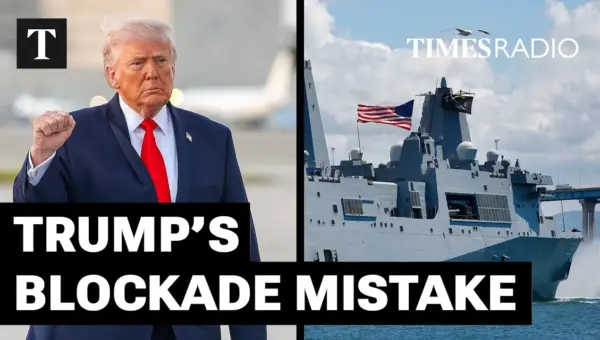
Iran Blockade Sparks War Concerns, Backfires on US, Expert Warns
The U.S. blockade on Iranian ports, aimed at crippling its economy, is sparking concerns of an "act of war" and may backfire, according to former diplomat Barbara Leaf. While the U.S. and Iran prepare for potential peace talks, hardline rhetoric and the blockade's global economic impact complicate diplomatic efforts. A key concern is a potential confrontation with China if U.S. forces intercept Chinese vessels.

US Markets Surge as Iran Tensions Ease, Oil Prices Steady
U.S. stock markets are hitting new highs as tensions with Iran ease, with the S&P 500 reaching record levels. Despite persistent oil prices around $92 a barrel, the U.S. economy shows resilience, boosted by record oil exports. The focus is shifting to the economic confrontation with Iran, including the non-renewal of oil sales waivers, and long-term strategies to bypass the Strait of Hormuz.


Trump’s Blockade Fails, Allies Shun Mission: A Pattern?
A reported failure of Donald Trump's blockade of the Strait of Hormuz, with ships passing through unimpeded, raises questions about policy effectiveness. This incident, coupled with allies' reluctance to join the mission, suggests a pattern of unintended consequences and strained international relations.