Iran Strikes UAE, Shattering Sense of Safety
Hundreds of Iranian missiles and drones have targeted the UAE, shattering the region's sense of safety. The sustained aerial assault has impacted major cities like Dubai and Abu Dhabi, hitting civilian infrastructure and resulting in fatalities. This escalation signals a dangerous regional spillover, with analysts suggesting Iran's strategy aims to pressure international actors towards a peace agreement.

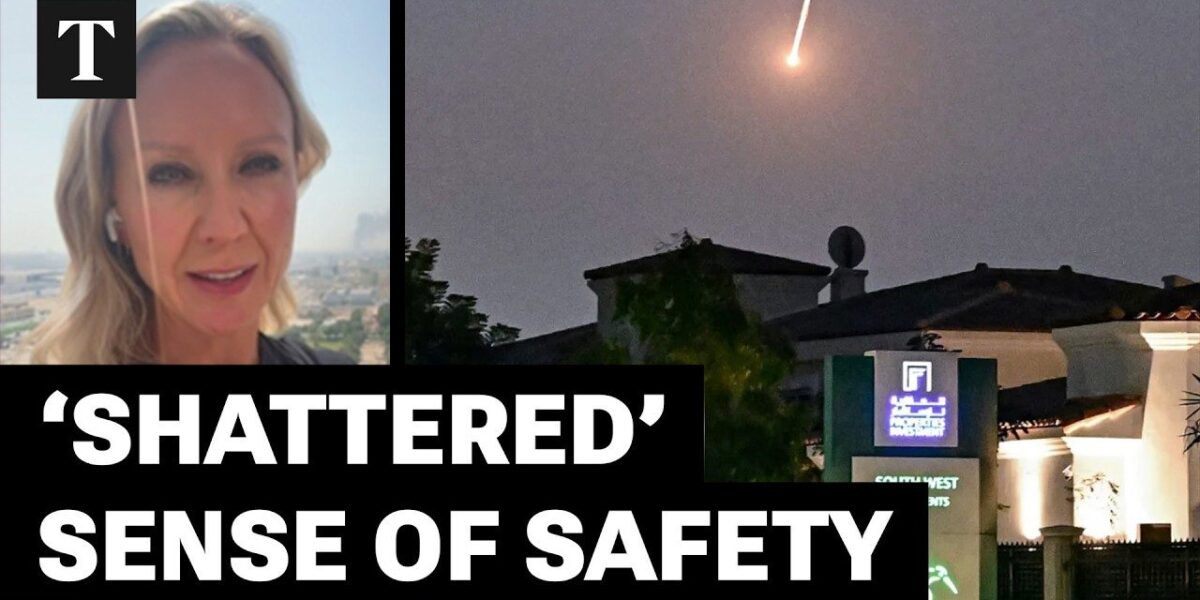
UAE Airspace Targeted by Hundreds of Iranian Missiles and Drones
The United Arab Emirates experienced an unprecedented security crisis as hundreds of missiles and drones were fired from Iran into its airspace over the past 24 hours. This sustained aerial assault has profoundly shaken the sense of safety that draws many to the region, shattering the perception of the UAE as an unassailable haven.
A Surreal 24 Hours in Dubai
Reporting from Dubai, journalist Sally Lockwood described the last 24 hours as “absolutely surreal.” The situation rapidly escalated around 10:00 AM yesterday when reports emerged of American strikes on Iran. This was swiftly followed by the suspension of air travel at 1:00 PM, just hours after the first wave of missiles entered UAE airspace.
Lockwood detailed the terrifying experience of receiving emergency alerts on mobile phones, which sounded repeatedly and loudly throughout homes. These alerts were followed by “two waves of very loud bangs overhead,” with some reports indicating houses shook from the concussive force. The UAE government confirmed hundreds of missiles and drones were launched from Iran, while acknowledging that air defense systems were actively intercepting them. Despite successful interceptions, explosions and damage occurred due to falling debris, with suspected drone impacts also reported.
“Even just the sound of those loud bangs in the sky by air defense systems are making people here extremely on edge, really worried. This is not something that you are used to hearing and experiencing when you live in the UAE. A lot of people are drawn here by the sunshine and the sense of safety. But that sense of safety was absolutely shattered yesterday.”
Civilian Infrastructure and Fatalities
The attacks were not confined to military targets. Videos began circulating about half an hour after the initial alerts, showing significant damage at Dubai International Airport, one of the world’s busiest. Large pieces of shrapnel and debris were visible on an airport concourse. Tragically, four employees were killed in this attack. Shortly thereafter, Abu Dhabi airport was also reportedly hit, resulting in another fatality, bringing the total number of deaths in Abu Dhabi from these strikes to two.
Lockwood, standing with a view of Jebel Ali Port in Dubai, noted a large plume of smoke rising over the skyline. This naval port has seen a significant build-up of American naval assets in recent weeks. The port was reportedly hit just before 2:00 AM this morning, with witnesses describing a large explosion. The smoke plume remained visible for hours, a stark reminder of the ongoing conflict for residents.
Regional Spillover and Travel Disruptions
The turmoil has extended beyond the UAE. Emirates airline has temporarily suspended all operations to and from Dubai until 3:00 PM UAE time on Monday, highlighting the severity of the disruption. In a separate but connected incident, at least six people were killed as protesters stormed the U.S. consulate in Karachi, Pakistan, following airstrikes on Iran that reportedly killed the Ayatollah. This incident underscores how the entire region is being engulfed in turmoil, demonstrating the unpredictable nature of the escalating situation.
The transcript also noted that Qatar, Bahrain, and Saudi Arabia were hit significantly in the last 24 hours, with initial reports suggesting Oman may have also been targeted. This is particularly concerning as many people had been fleeing Dubai for Oman, believing it to be a safer haven due to its role as a mediator between Iran and the U.S. Official advice for the second consecutive day has been for residents to shelter in place, including guidance issued by the British embassy for British nationals.
Iran’s Warning and Strategic Targeting
The Iranian regime had previously warned that an attack on Iran would result in regional conflict, stating that American military assets in the region would be legitimate targets. The Ayatollah, reportedly killed, had claimed Iran possessed the capability to sink U.S. warships. The current strikes appear to be a direct retaliation, with the UAE, having publicly stated that no strikes would originate from its territory, now finding itself a target.
Analysts suggest that cities like Dubai are strategic targets for Iran. By hitting places perceived as safe and with a low tolerance for conflict, Iran aims to exert pressure on leaders like President Trump to negotiate a peace agreement, thereby protecting their international reputation and their populations. This approach involves targeting not only U.S. military assets but also civilian infrastructure, causing widespread fear and disruption.
A New Reality for Expatriates
The events have starkly contrasted with the image often portrayed of Dubai as a luxurious destination. Social media has shown influencers posting from poolside brunches with missiles flying overhead, highlighting the jarring reality of being caught in an international conflict. For many expatriates who moved to the UAE seeking safety and a stable lifestyle, this experience marks a significant shift in their perception of security.
The official advice to shelter in place, coupled with the ongoing threat, suggests that a return to normalcy remains uncertain. The duration of this conflict and its ultimate impact on regional stability are key questions moving forward.
Source: Iranian Drones Fired At The UAE Leave Sense Of Safety ‘Absolutely Shattered’ | Sally Lockwood (YouTube)

Related Articles

Trump Claims Iran War Nearing End Amid Conflicting Reports
President Trump has declared the conflict with Iran is nearing its end, but conflicting reports highlight the complexities of the U.S. naval blockade. Experts question the administration's optimism, citing Iran's historical resilience and the significant resources required to maintain the blockade. Geopolitical shifts, including potential U.S. withdrawal from NATO and China's growing assertiveness, add further layers of uncertainty to the evolving situation.


Iran Faces Pressure as Blockade Aims to Force Negotiation
An economic blockade is being employed to pressure Iran into negotiations amid ongoing conflict. While proponents believe this strategy will force Iran to the table, regional allies express concerns about potential escalation and the impact on global trade routes. The current situation remains uncertain, with no clear resolution in sight.
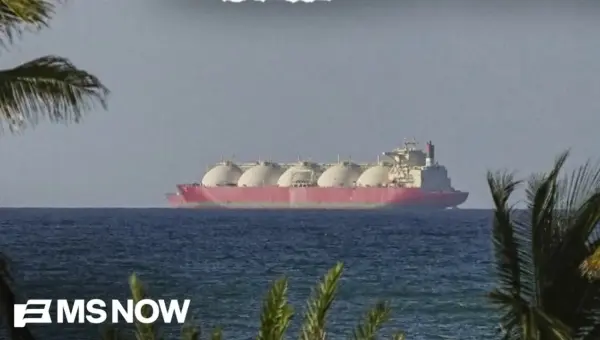
US Blockade Tightens on Iran; Peace Talks Show Glimmers of Hope
The United States military has implemented a three-day blockade of Iranian ports as part of an economic pressure campaign. While official reports indicate success in turning away ships, some vessels have reportedly tested the waters. Meanwhile, diplomatic efforts are underway, with President Trump suggesting the conflict is nearing an end, though significant hurdles remain.