Iran’s Future Uncertain Amidst Leadership Speculation
Iran faces a critical juncture as unconfirmed reports suggest significant leadership losses within its clerical establishment, potentially impacting the succession of Supreme Leader Ayatollah Ali Khamenei. Amidst escalating regional tensions and civilian casualties, internal dissent grows, fueling hopes for change among opposition groups and the populace.

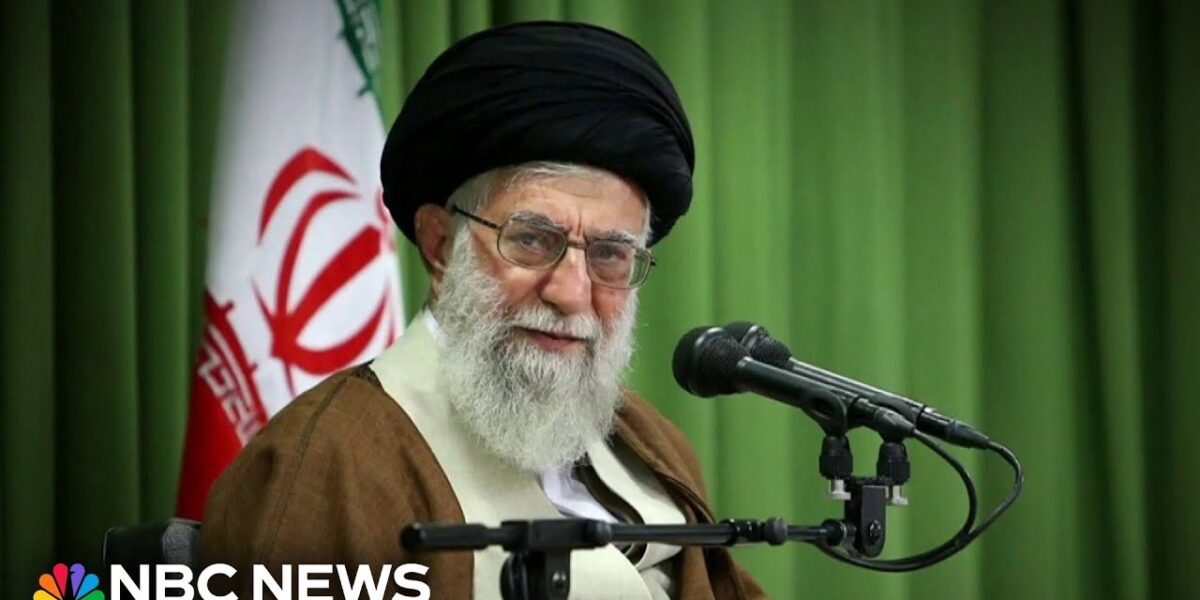
Iran Faces Leadership Vacuum Amid Escalating Tensions
Tehran, Iran – The future of Iran remains shrouded in uncertainty following unconfirmed reports of significant leadership losses within the clerical establishment. As the region grapples with escalating missile exchanges, speculation is rife about who will succeed Ayatollah Ali Khamenei, the nation’s Supreme Leader, should the reports prove true. Khamenei, described as a “stubborn” old man who preferred martyrdom to compromise, kept his succession plans intensely private, leaving a potential vacuum that could reshape Iran’s political landscape.
Regional Instability and Civilian Toll
The unfolding events are occurring against a backdrop of intense military activity. Richard Engel, reporting live from Israel, described a day and night of incoming missiles, underscoring the volatile regional situation. “As of tonight we don’t know exactly how many of his potential successors have also been killed,” Engel stated, his phone continuously signaling further potential Iranian strikes. The conflict has not been without civilian casualties. Iranian officials reported dozens of girls killed in a strike that hit a school, while in Israel, at least one woman died when an Iranian missile struck a building near Engel’s reporting location.
“As of tonight we don’t know exactly how many of his potential successors have also been killed. And right now, Tom, you can probably hear my phone going off. That means that there is another potential Iranian strike coming in right at this moment.” – Richard Engel
Internal Dissent and Hopes for Change
These developments come at a critical juncture for Iran, a nation already experiencing widespread internal dissent. Recent years have seen significant protests across the country, with citizens demanding change amidst a struggling economy and critical infrastructure issues, such as access to drinking water. The government’s response to these protests has been characterized by a “brutal crackdown,” according to reports.
Members of the Iranian opposition, speaking with journalists, have expressed “delight” at the prospect of leadership changes, viewing it as a potential opportunity for reform. This sentiment is echoed by some Iranians on the ground, despite the risks. Engel recounted an incident in Tehran where a man publicly tore up a picture of the Supreme Leader, a bold act indicative of the deep dissatisfaction with the current regime, even in the face of severe government suppression.
Succession Conundrum and Potential Scenarios
The identity of Ayatollah Khamenei’s successor has long been a subject of intense speculation both within Iran and among international observers. While his son, Seyyed Mojtaba Hosseini Khamenei, is often cited as a frontrunner, other figures within the clerical hierarchy could also emerge. The process of succession in Iran is complex, involving the Assembly of Experts, a body of senior clerics tasked with appointing and overseeing the Supreme Leader. However, the current uncertainty surrounding the fate of potential candidates adds a dangerous unpredictability to this established procedure.
The Supreme Leader holds ultimate political and religious authority in Iran, overseeing all major state policies. His successor would inherit not only this immense power but also the responsibility of navigating the nation’s complex foreign relations, its internal economic challenges, and the demands of a populace increasingly yearning for reform. The potential for infighting among different factions within the regime, or a power struggle between religious and military elements, looms large.
Broader Geopolitical Implications
The potential leadership transition within Iran, coupled with the ongoing regional hostilities, carries significant geopolitical implications. Iran’s role as a major player in the Middle East, its support for various proxy groups, and its nuclear program are all factors that would be closely scrutinized by global powers. A shift in leadership could lead to a reassessment of these policies, potentially altering regional alliances and security dynamics. The international community will be watching closely for any signs of instability or shifts in Iran’s foreign policy objectives.
Looking Ahead
The coming days and weeks will be crucial in determining the direction Iran takes. The confirmation of any leadership changes, the response from regional adversaries, and the internal reactions from the Iranian populace will all be key indicators. The world will be observing whether this period of uncertainty leads to a more moderate path for Iran or further entrenches the existing hardline stance, all while the specter of regional conflict continues to loom large.
Source: What comes next inside Iran? (YouTube)

Related Articles

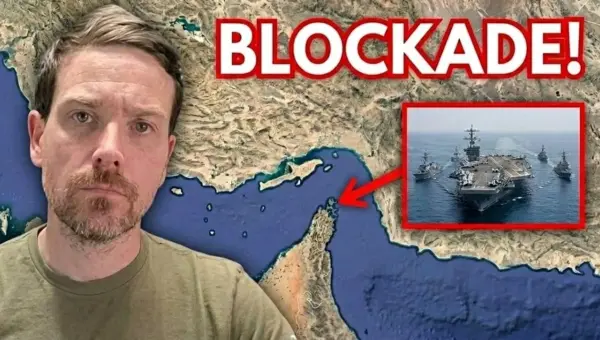
US Navy Blockade Tightens Grip on Iran’s Oil
The US Navy has imposed a strict blockade on Iranian ports, aiming to cripple the nation's oil exports and economy. With warships enforcing the closure, Iran faces significant financial pressure. The long-term effectiveness and potential for escalation remain key concerns.


Trump’s Iran Deal Talk: A Mirror of His Own Desires?
Donald Trump's repeated claims that Iran "wants a deal very badly" might be more about his own desire for an agreement than Iran's. This analysis explores his rhetoric and its potential implications for foreign policy.
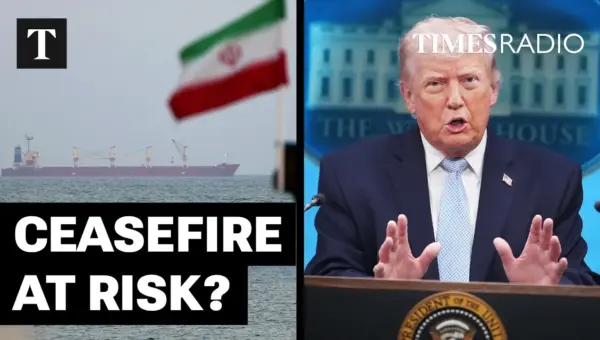
Iran Ceasefire Risks Spiraling Out of Control Amid Talks
A fragile ceasefire between Iran and the US, expiring in two weeks, faces major risks of collapse. Ongoing back-channel talks are attempting to bridge gaps, but experts warn that even minor incidents could easily escalate. The US naval blockade adds another layer of tension, with China watching closely but appearing hesitant to intervene.