Russia’s Economy Faces Steep Decline Amidst Sanctions
Russia's economy is showing signs of severe strain, with its 2025 budget deficit widening significantly due to wartime spending and reduced oil revenues. Steep discounts on oil exports and the impact of international sanctions are projected to lead to substantial revenue shortfalls and a potential GDP contraction in 2026.

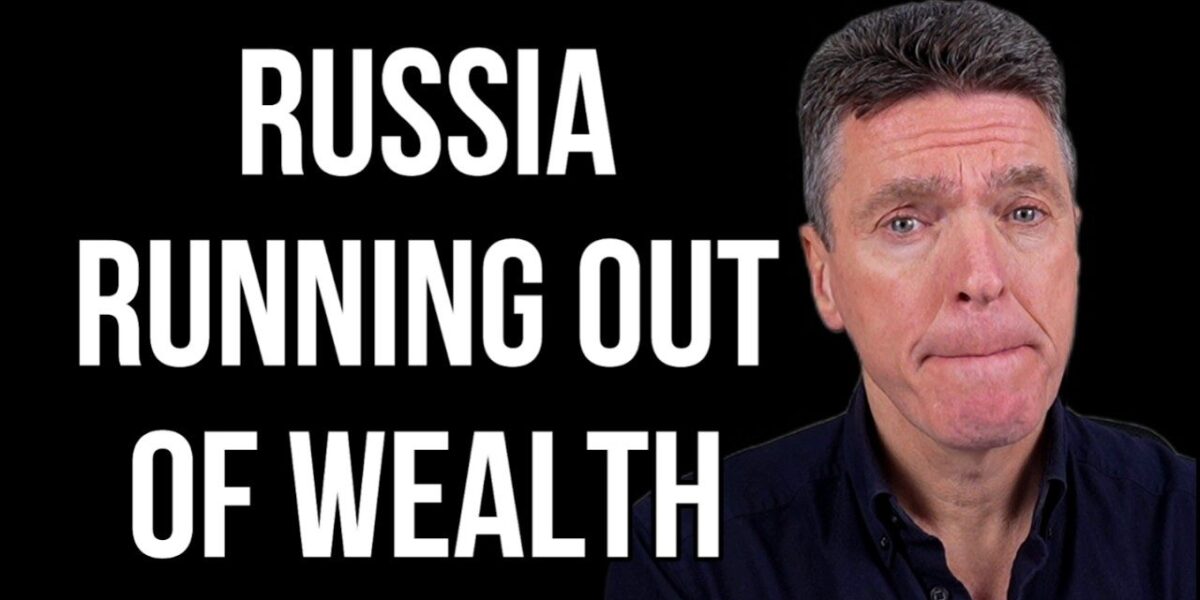
Russia’s Budget Deficit Widens as War Economy Strains Resources
The Russian economy is facing significant headwinds, with its full-year budget for 2025 revealing a 2.6% deficit. This marks the worst fiscal performance since the onset of the war in Ukraine, surpassing the deficits seen in 2023 and 2024. The shift to a wartime economy, characterized by extensive state sponsorship of companies and reduced external sales of oil, gas, and other commodities, has forced Russia to draw down its National Wealth Fund and issue debt to cover expenditures. The 2.6% deficit in 2025 is the worst economic performance in nine years, excluding the pandemic year, indicating a substantial strain on national resources.
Severe Spending Cuts Underscore Fiscal Pressure
Analysis of the 2025 budget details reveals that Russia had to implement severe spending cuts in December to achieve the 2.6% deficit target. December 2025 spending was down 19% year-on-year compared to the same period in 2024. Had spending remained consistent with the previous year, the deficit would have been considerably larger. Furthermore, overall year-on-year spending increased by only 7% in 2025, a sharp deceleration from the 24% surge observed in 2024. This reduction in expenditure growth signals the increasing pressure exerted by international sanctions and challenges in oil exports on the Russian economy.
2026 Budget Revision Reflects Diminished Growth Prospects
In response to these economic pressures, the Russian Ministry has announced a reconsideration of the 2026 budget. The original projections anticipated a GDP growth of 1.3%, an improvement over the 2025 performance. However, the Finance Minister has since revised this forecast downwards to between 0.7% and 1%. Realistically, the actual growth could be even lower, given the fundamental challenges Russia faces with its oil exports.
Oil Discounts and Sanctions Cripple Export Revenue
A major concern for Russia’s fiscal health is the substantial discount it must offer on its oil. Currently, Russia is selling its oil at approximately $40 per barrel, while the global market price hovers around $70 per barrel. This represents a discount of over $30 per barrel, the largest seen since 2023. This significant price gap, coupled with increased sanctions targeting major oil producers like Lukoil and Rosneft, and the potential abolition of the price cap by the EU, is severely impacting Russia’s export revenue. The global increase in oil supply has reduced the world’s reliance on Russian oil, empowering Western nations to tighten sanctions.
“The discount of $30 per barrel against the volume that Russia has been selling represents lost revenue to the Russian economy of $81 billion per year. That is more than the global revenue for a lot of countries.”
National Wealth Fund Depleted, Gold and Debt Fill the Gap
Historically, Russia’s National Wealth Fund (NWF) grew by diverting surplus oil revenue above a budgeted threshold (currently $59 per barrel) into the fund. However, the NWF’s liquid assets have seen a massive reduction over the past five years. This decline is attributed to two factors: Russia has not consistently earned above the budgeted oil price, thus not adding to the fund, and it has been drawing down from the fund to cover budget deficits. In mid-2025, the NWF reached a record low but was subsequently restored to around $50 billion. This stabilization has been achieved by selling gold reserves and issuing debt, despite high domestic interest rates of approximately 15.5%, indicating Russia’s limited options.
Projected Shortfall and GDP Impact
The current oil price of $40 per barrel, compared to the 2026 budget’s assumed price of $59 per barrel, creates a $19 per barrel gap. On an estimated annual export volume of 2.7 billion barrels, this translates to a projected revenue shortfall of $51 billion for 2026. This figure could be even higher if oil prices decline further, as anticipated due to a softening global economy and increased supply from sources like Venezuela. The loss of revenue from oil discounts, estimated at $81 billion annually, is projected to reduce Russia’s GDP by approximately 3.7%. The additional $51 billion shortfall against the budget could further shave off another 2.3% of GDP. While not a linear correlation, this loss of income directly impacts government and economic spending, feeding into a potential contraction of GDP.
Recession Risk Looms for Russia in 2026
The confluence of falling oil prices, potential volume reductions, and the lingering effects of sanctions presents a significant risk of recession for Russia in 2026. The initial projection of 1.3% GDP growth now appears highly unlikely. With the possibility of GDP contracting, Russia could face a recession if it experiences two consecutive quarters of decline. The economy, once bolstered by wartime spending, now faces the fundamental weakness of its reliance on oil and gas. With gas sales decimated by the loss of European markets, the oil sector, while still operational, is increasingly squeezed by sanctions and reduced demand. The inability to find buyers, secure favorable prices, and maintain export volumes could force Russia to curtail production, with potentially disastrous long-term consequences.
Looking Ahead: A Bleak Outlook Amidst Geopolitical Uncertainty
The economic outlook for Russia in 2026 appears increasingly challenging. The revised budget projections are likely to be optimistic, given the ongoing pressures on oil exports and the tightening sanctions regime. The global geopolitical landscape, including potential conflicts and trade negotiations, adds further uncertainty to oil price forecasts. Without a significant shift in its economic strategy or a resolution to the conflict in Ukraine, Russia faces a prolonged period of economic stagnation or contraction, with the specter of recession becoming a more tangible threat.
Source: RUSSIA Running Out of Wealth (YouTube)

Related Articles

US Markets Surge as Iran Tensions Ease, Oil Prices Steady
U.S. stock markets are hitting new highs as tensions with Iran ease, with the S&P 500 reaching record levels. Despite persistent oil prices around $92 a barrel, the U.S. economy shows resilience, boosted by record oil exports. The focus is shifting to the economic confrontation with Iran, including the non-renewal of oil sales waivers, and long-term strategies to bypass the Strait of Hormuz.


Russia’s War Costs Strain Putin’s Elite Bargain
Russia's prolonged war in Ukraine is straining President Putin's grip on power. Declining oil revenues and escalating military costs are forcing internal power shifts, with intelligence services reportedly gaining influence. This financial pressure is creating significant discontent among the elite and risking broader instability within the Kremlin.
Trump Sees Iran Conflict Near End, Analysts Urge Caution
President Trump believes the conflict in Iran is "very close to over," but former advisor Keith Kellogg urges a cautious approach. The potential de-escalation could impact global markets, particularly oil prices. Investors should monitor the specifics of any resolution and its long-term implications for regional stability.