US, Israel Strike Iran: Regional Chaos, Leadership Falls
The United States and Israel have launched major military strikes against Iran, targeting its leadership and potentially collapsing the regime. The operation has triggered regional retaliation, disrupted global oil transport, and raises questions about Iran's future leadership and Russia's strategic position.

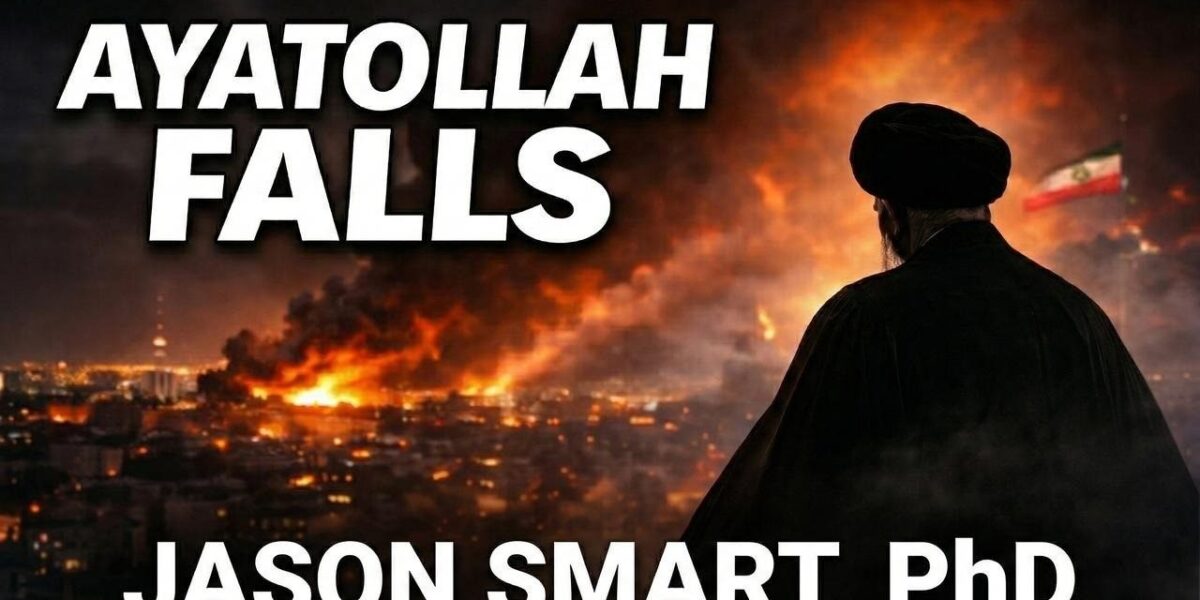
US and Israel Launch Major Strikes on Iran, Citing Global Threat
In a dramatic escalation of geopolitical tensions, the United States and Israel have launched a series of coordinated military operations targeting Iran. U.S. President Donald Trump announced the offensive, stating its objective is to “eliminate Iran as a threat to the world.” The large-scale military operation, expected to last several days, has already triggered significant regional repercussions and claims of retaliation, disrupting daily life and transportation across the Middle East. Schools and public facilities in Israel have been closed as military forces on both sides remain on high alert.
Iranian Leadership Targeted, Potential Regime Collapse
Initial reports suggest the attacks have been devastatingly effective, potentially killing Iran’s Supreme Leader, Ayatollah Khamenei, whose residence in Tehran was reportedly struck by Israeli and American forces. Further strikes are believed to have targeted the leadership of the Iranian Revolutionary Guard Corps, with unconfirmed reports indicating the deaths of the Defense Minister, former President Mahmoud Ahmadinejad, and the Commander-in-Chief of the Iranian Army, Amir Hatami. The potential elimination of the nation’s senior leadership could signal a profound shift in Iran’s political landscape, exacerbating existing economic woes that have already crippled the country’s currency and made basic necessities unaffordable.
“We have launched a large-scale military operation in the country and we will eliminate the threat posed by the brutal Iranian regime.” – U.S. President Donald Trump
Regional Spillover: Retaliation and Strait of Hormuz Closure
In response to the initial strikes, Iranian-aligned actors have reportedly launched retaliatory attacks in Kuwait, the United Arab Emirates, and Qatar. Iran has also closed the Strait of Hormuz, a critical chokepoint for global oil transport, leading to the detention of numerous tankers, including those carrying Russian oil. This closure is expected to have significant spillover effects on Russia’s ability to sustain its war efforts, particularly given its reliance on Iran for drones and drone components.
Extensive U.S. Military Buildup Precedes Attacks
The offensive was preceded by a substantial U.S. military deployment to the region, including over 500 strike aircraft, 200 support aircraft, and the repositioning of the USS Gerald R. Ford and USS Abraham Lincoln carrier strike groups. This massive buildup, encompassing refueling, surveillance, electronic warfare, and command and control assets, indicates a strategic intent for a sustained, long-term campaign rather than a limited strike.
Russia’s Reaction and Strategic Concerns
Russia has condemned the attacks, labeling them a “disaster for international diplomacy” and expressing readiness to mediate a peaceful solution. However, this diplomatic stance is viewed with skepticism, particularly in light of Russia’s ongoing conflict in Ukraine. Moscow’s strong dependence on Iran for military supplies, especially drones, makes the potential collapse of the Iranian regime a significant strategic concern. Analysts suggest Russia may be betting on leveraging the ensuing chaos to position itself as a dealmaker with any remaining Iranian leadership, potentially seeking to mitigate the impact on its own economic and military objectives.
Potential Power Vacuums and Contenders Emerge
The potential power vacuum created by the strikes has led to the emergence of various opposition groups. Maryam Rajavi, associated with the National Council of Resistance of Iran (NCRI), has called for a provisional government, advocating for a secular state, respect for international law, and gender equality. The NCRI, previously sanctioned by the U.S., has been seeking to gain influence and present its 10-point plan for Iran’s future. Simultaneously, supporters of the former Shah’s son, residing in the United States, are reportedly mobilizing, aiming to reclaim power and evoke nostalgia for Iran’s pre-1979 era. This internal jostling for power adds another layer of complexity to the unfolding crisis.
Geopolitical and Economic Ramifications
The implications of these attacks extend far beyond Iran’s borders. For Israel, the neutralization of the Iranian threat is seen as a significant security gain. Neighboring Arab states, including Saudi Arabia and the UAE, may also experience increased stability as the regional threat posed by Iran diminishes. Global oil prices are expected to be volatile, with potential short-term spikes impacting Russia’s revenue but also creating long-term challenges due to increased war risk insurance, rerouting, and heightened scrutiny on its oil shipments and shadow fleet operations.
A Nation in Turmoil: Internal Instability and Public Sentiment
The situation within Iran is described as chaotic, with widespread uncertainty about the future. Weeks of escalating instability, including national protests and clashes between opposition groups and regime loyalists, have preceded the current strikes. While the attacks are undoubtedly frightening for the Iranian populace, many may view the potential downfall of the current regime, which has presided over severe economic hardship and global isolation, as a step towards a better future. The absence of a feared retaliation involving unconventional weapons, such as chemical or nuclear devices, offers a sliver of relief, though regional actors have employed conventional weapons in their limited responses.
Looking Ahead: A New Era for the Middle East?
The coming days and weeks will be critical in determining the long-term consequences of these unprecedented strikes. The focus will be on the stability of any residual Iranian government structures, the consolidation of power by emerging opposition factions, and the broader geopolitical realignments in the Middle East and globally. The impact on global energy markets, the future of Russia’s war in Ukraine, and the potential for a more stable, democratic Iran will be closely watched as the region navigates this profoundly altered landscape.
Source: The Ayatollah Has Fallen: Regional Chaos Spreads (YouTube)

Related Articles


Putin’s Internet Shutdown: Paranoia or Precaution?
Russia's recent internet restrictions fuel speculation about President Putin's paranoia, potentially driven by fears of a coup and the weaponization of digital information by adversaries. Actions like buffer zones and dismissals suggest a leader under pressure.
Israel Pushes into Lebanon Amid Fierce Hezbollah Fighting
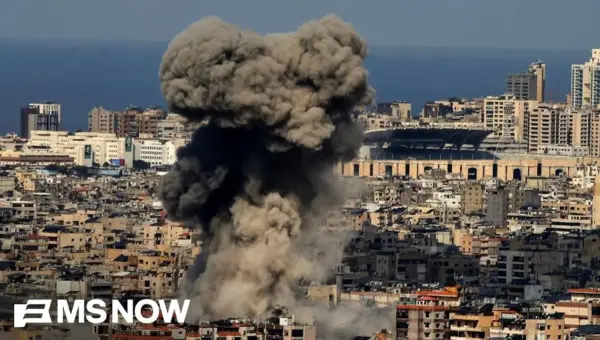
Israeli forces are pushing into new territories in southern Lebanon, facing intense fighting from Hezbollah. The conflict has displaced over a million people in Lebanon, with many children out of school and struggling to find shelter. Meanwhile, the UN Human Rights Office has raised concerns that some Israeli airstrikes may constitute war crimes.


EU Warships Near Cyprus Test Defense Without US
European Union warships have deployed near Cyprus, marking a potential turning point for the bloc's collective defense capabilities without U.S. involvement. The move follows a drone attack on a British base and highlights Cyprus's strategic location. While seen as a low-risk show of solidarity, it raises questions about Europe's long-term defense independence.