Samsung’s AI Photo Editor: Brilliant or Dangerous?
Samsung's new Galaxy S26 Ultra features 'Generative Edit,' an AI tool that can add or alter elements in photos. While offering creative possibilities, it raises serious ethical concerns about potential misuse and the spread of misinformation.

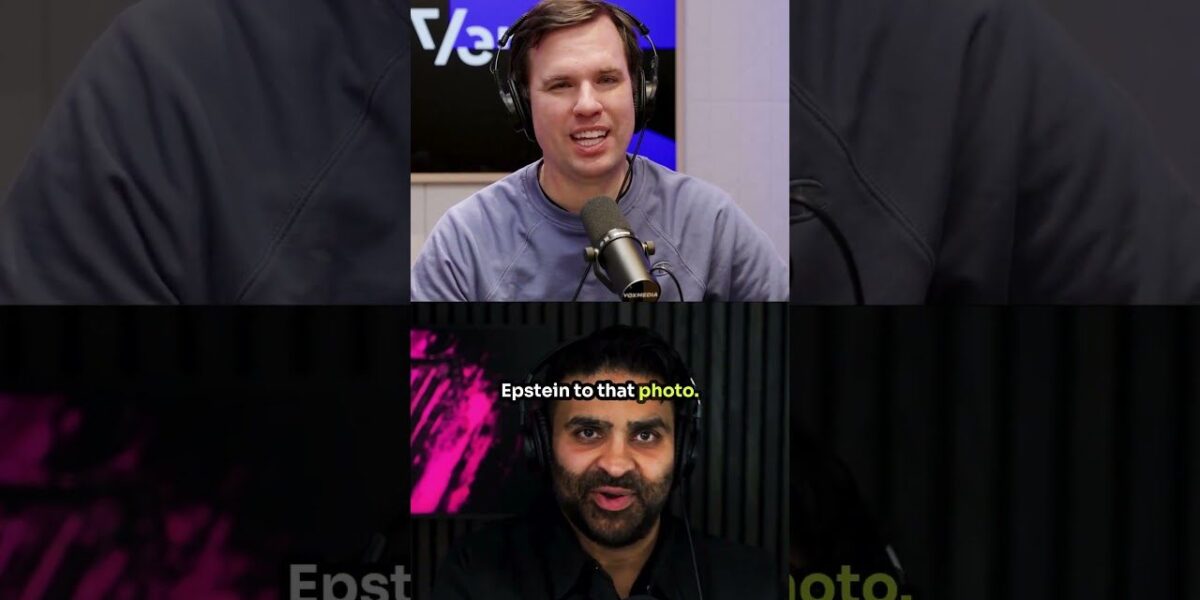
Samsung’s Galaxy S26 Ultra: AI Photo Editing Goes Too Far?
Samsung has unveiled its latest flagship, the Galaxy S26 Ultra, and with it comes a suite of AI-powered features that are as impressive as they are potentially problematic. During their recent keynote, the company showcased its new Galaxy AI, a set of tools designed to enhance user creativity and convenience. However, one particular feature, dubbed ‘Generative Edit,’ has sparked significant debate, with some suggesting it pushes the boundaries of ethical AI use in photography.
The ‘Generative Edit’ Feature: Adding What Should Have Been There
The core of the controversy lies in Samsung’s Generative Edit. While AI-powered photo editing tools that remove unwanted elements have become commonplace, Samsung’s offering goes a step further. Instead of just erasing what shouldn’t be there, it aims to add what you *wish* had been there. The demo showcased a scenario where a user could take an almost perfect photo, but a key element like a pet was missing. With Generative Edit, users can simply merge the pet from another shot, describe the desired composition, and let Galaxy AI work its magic.
“It’s easy, intuitive, and all done on your Galaxy S26 series,” Samsung proclaimed. The technology allows for seamless integration, making it appear as if the added element was always part of the original scene. This capability extends beyond simple object insertion. The keynote also presented a hypothetical where a user could alter their own appearance within a photo, changing their outfit while retaining their smile. This level of manipulation, readily available and simplified by AI, has raised serious concerns.
Ethical Quandaries and Potential Misuse
The implications of such a powerful yet accessible tool are significant. As highlighted during a discussion on the Vergecast, the question was posed: “What if just for the sake of the argument I wanted to add Jeffrey Epstein to that photo?” The response was stark: “Yeah, you sure could.” This hypothetical, though extreme, underscores the potential for misuse. The ability to convincingly add or alter elements in a photo with such ease opens the door to creating highly deceptive imagery.
“The thing that changes is that when you make this stuff easy, more people do it,” one commentator noted, emphasizing that the very accessibility of Generative Edit could lead to a surge in manipulated content. While Samsung’s intention might be to empower users to perfect their memories, the technology could easily be exploited for malicious purposes, such as creating deepfakes, spreading misinformation, or engaging in online harassment by altering images of individuals without their consent.
The Line Between Creativity and Deception
Samsung isn’t the first to explore generative AI in photo editing. Adobe has been at the forefront with its Photoshop Generative Fill, which also allows users to add or remove content using AI prompts. However, the integration of such advanced capabilities directly into a smartphone camera experience, as Samsung is doing with the S26 series, represents a significant leap in accessibility. This democratization of powerful editing tools means that the average consumer could soon possess the ability to create highly convincing, yet entirely fabricated, images.
The debate centers on where the responsibility lies. Should Samsung be commended for pushing the boundaries of mobile AI, or should they be criticized for releasing a tool with such a high potential for abuse? The company has not yet detailed specific safeguards or watermarking mechanisms to distinguish AI-generated content from authentic photos. This lack of transparency further fuels the ethical concerns.
Who Should Care and Why?
For photography enthusiasts and casual smartphone users alike, the Galaxy S26 Ultra’s AI features offer unprecedented creative control. If your goal is to enhance your personal photos, remove distractions, or even add whimsical elements to your family snapshots, Generative Edit could be a game-changer. Imagine creating the perfect holiday card photo by adding a missing family member or ensuring everyone is looking at the camera with a genuine smile.
However, for anyone concerned about the proliferation of misinformation, the integrity of digital media, or the potential for online abuse, this technology warrants close scrutiny. The ease with which convincing fake images can now be generated raises questions about digital trust and the future of visual evidence. Journalists, educators, and policymakers will need to grapple with the implications of these advancements.
Specs & Key Features (Galaxy S26 Ultra – based on announcement)
- AI Features: Generative Edit (add/remove/alter photo elements), other Galaxy AI enhancements (details to be confirmed).
- On-Device Processing: Features are designed to run on the Galaxy S26 series hardware.
- Camera System: Expected to feature advanced camera hardware, details TBC.
- Display: Likely to feature Samsung’s signature high-quality AMOLED display.
- Processor: Powered by the latest flagship mobile processor, optimized for AI tasks.
Availability and Pricing
Samsung has announced the Galaxy S26 series, including the Ultra model, but specific release dates and pricing details are yet to be fully disclosed. Pre-orders are expected to open soon, with general availability likely following in the coming weeks. Interested consumers should keep an eye on Samsung’s official channels for the latest updates.
The Verdict
Samsung’s Generative Edit on the Galaxy S26 Ultra is a powerful demonstration of what’s possible with mobile AI. It offers remarkable creative potential, allowing users to craft their ideal images with unprecedented ease. Yet, the very power that makes it so appealing also makes it potentially dangerous. Without robust safeguards or clear indications of AI manipulation, this feature walks a fine line between empowering creativity and enabling deception. As consumers, we must be aware of both the incredible possibilities and the significant ethical considerations that come with such advanced technology in our pockets.
Source: This AI photo editing feature shouldn’t exist #Vergecast (YouTube)

Related Articles

AI Reshapes Economy: New Wealth Opportunities Emerge
Artificial intelligence is set to dramatically reshape the global economy within five years, creating both challenges and significant wealth-building opportunities. Experts emphasize the need to adapt by learning AI skills, drawing parallels to how past technological shifts democratized access to knowledge and investment strategies.
AI Misdiagnoses Medical Cases 80% of the Time
A recent U.S. study reveals that AI chatbots are misdiagnosing medical conditions in 80% of cases, highlighting significant risks in relying on artificial intelligence for health advice. Personal stories shared by individuals demonstrate how online self-diagnoses led to incorrect treatments and prolonged suffering, underscoring the irreplaceable value of human medical professionals.


Magnificent 7 Stocks Surge Amid Market Uncertainty
Tech giants, the 'Magnificent 7,' are surging despite market fears, showing technical breakouts and strong growth potential. Amazon invests heavily for long-term gains, while Google deepens its AI capabilities. Meta refocuses on core strengths, and Apple's services business continues its impressive expansion.