Paramount Poised to Acquire Warner Bros. Amidst Political Undercurrents
Netflix has withdrawn from the bidding war for Warner Bros. Discovery, leaving Paramount poised to acquire the entertainment giant for $111 billion. The deal's potential impact on CNN's editorial line and broader political implications are raising significant concerns.

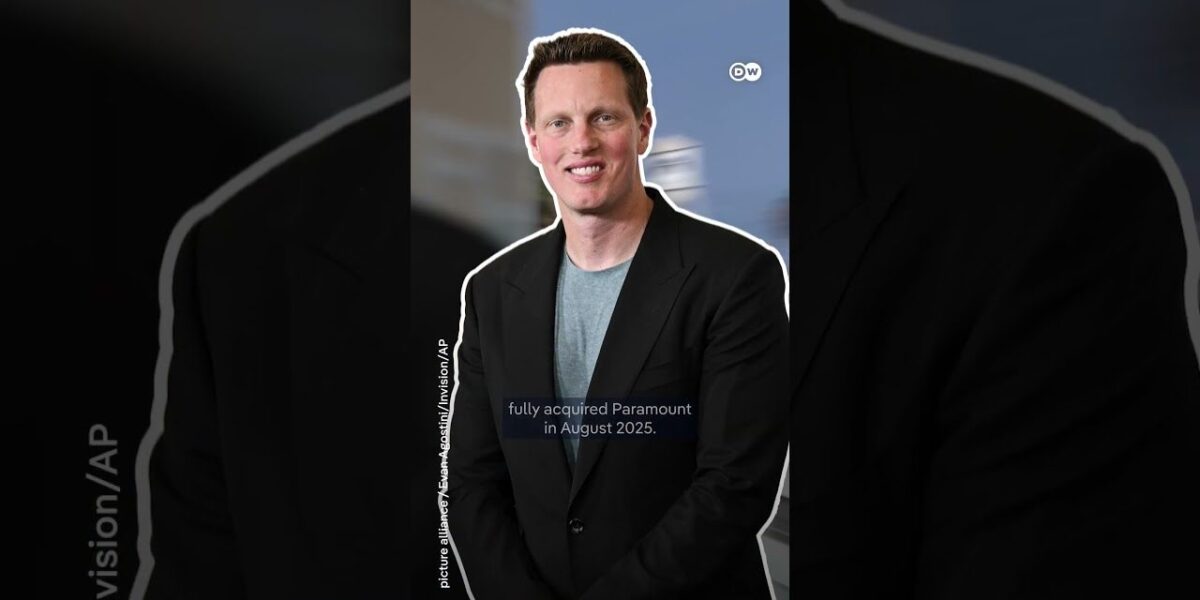
Paramount Nears Warner Bros. Discovery Acquisition as Netflix Exits Race
In a seismic shift within the entertainment industry, Netflix has withdrawn its bid for Warner Bros. Discovery, paving the way for David Ellison’s Paramount to potentially seize control of the sprawling media conglomerate. The high-stakes battle, initially framed as an economic and regulatory tussle, has increasingly taken on political dimensions, drawing even former President Donald Trump into the fray.
The Bidding War: A Financial and Strategic Showdown
Netflix had reportedly been prepared to offer $82.7 billion for key assets of Warner Bros. Discovery, including its prestigious film studios, lucrative movie franchises, and the acclaimed pay-TV network HBO. However, this figure was significantly outmatched by Paramount’s aggressive offer of $111 billion. Paramount’s bid encompasses the entirety of the Warner Bros. Discovery empire, including all its subsidiaries, such as the Discovery Channel and the prominent news network CNN.
Paramount just letting everyone know they’re here for the long haul and they’re going to be quite aggressive about it.
The sheer scale of Paramount’s offer underscores its determination to dominate the media landscape. While the financial implications are staggering, the potential acquisition raises profound questions about the future control of media narratives, particularly concerning CNN.
CNN at the Center: Editorial Control and Political Influence
The most contentious element of the Warner Bros. Discovery sale appears to be CNN. Concerns are mounting over what changes Paramount might implement regarding the news network’s editorial direction. The prospect of political shifts in CNN’s reporting, especially concerning the US presidency, remains a significant unknown and a point of deep anxiety for observers.
I guess the greater danger is what happens to CNN if uh Paramount succeeds in its its offer to take over the entire uh entity of Warner Brothers um and if it decides to make changes uh political changes uh to how CNN reports particularly on on the US president. That’s an unknown at this point.
The potential for a major news outlet like CNN to alter its editorial line under new ownership, especially one potentially influenced by political considerations, highlights the critical role media plays in shaping public discourse and the potential vulnerabilities inherent in its ownership structures.
A Shifting Media Landscape: Consolidation and Key Players
This unfolding drama is part of a larger trend of consolidation within the American media industry. Sky Dance Media, owned by David Ellison, completed its acquisition of Paramount in August 2025. This deal notably included CBS, one of the United States’ major television broadcasters. If Paramount’s bid for Warner Bros. Discovery is successful, it would mean that a significant portion of major US television networks could fall under the control of a select few individuals, including David Ellison and his father, Larry Ellison.
Larry Ellison, a titan of industry and one of the world’s wealthiest individuals, is also a prominent supporter of former President Donald Trump. His recent acquisition of a significant stake in TikTok’s US operations further amplifies his influence across various digital and traditional media platforms. Adding another layer of complexity, the Paramount-Sky Dance bid is reportedly backed by sovereign wealth funds from Saudi Arabia, Qatar, and the United Arab Emirates, introducing international financial interests into the equation.
Regulatory Concerns and Political Favoritism
The current regulatory environment in the US is being questioned, with critics suggesting that traditional antitrust and media regulations are being sidelined. The involvement of influential figures and the potential for political favoritism are raising alarms about the fairness and transparency of the acquisition process.
Right now, in the US, we don’t operate under traditional norms like the way FCC or or DOJ would approach antirust or media regulation is kind of out the window. um we have a strong man president and those who curry favor with him um tend to get the outcomes they want.
This perspective suggests that the deal may be less about market forces and more about navigating political influence, particularly in an era where regulatory oversight is perceived as weakened. The outcome of this acquisition could significantly reshape the media landscape, concentrating power and influence in fewer hands.
The Broader Implications: Beyond Entertainment
The implications of this potential acquisition extend far beyond the ownership of popular film franchises like Batman. It speaks to a fundamental question of who has the authority to control the narrative and shape public understanding of events. In an era of information warfare and the proliferation of misinformation, the concentration of media ownership in the hands of a few, potentially influenced by political or foreign interests, poses a significant challenge to a well-informed public sphere.
What’s Next?
As Paramount’s bid moves forward, all eyes will be on the regulatory bodies, the finalization of financial backing, and the potential impact on CNN’s editorial independence. The coming weeks will be crucial in determining the future ownership of Warner Bros. Discovery and, by extension, a significant portion of the stories told to the American public.
Source: Netflix drops out of Warner Bros. race | DW News (YouTube)

Related Articles

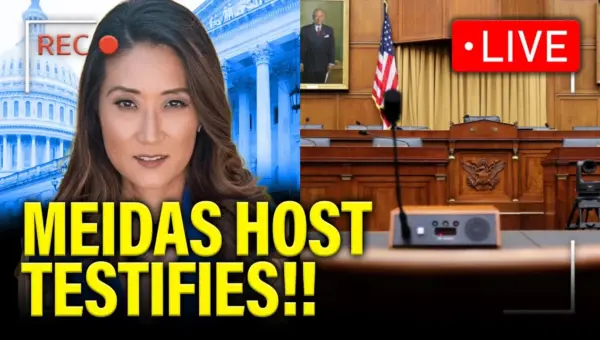
Media Mergers Threaten More Than Jobs; They Threaten Democracy
A congressional hearing examined the proposed Paramount SkyDance and Warner Brothers Discovery merger, highlighting fears that media consolidation threatens not just jobs and creative freedom, but American democracy itself. Witnesses warned of concentrated power, political influence over news, and the erosion of independent journalism.
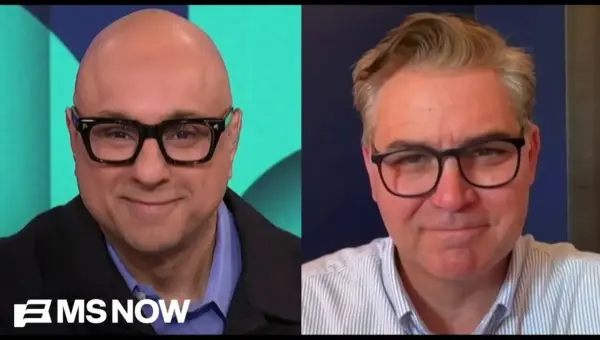
Journalist Warns: Truth Under Threat in America
Journalist Jim Acosta warns that America faces a dangerous time for truth-telling, where power can crush verifiable facts. He highlights escalating pressures on the press, from revoked credentials to death threats, and links these issues to media consolidation and the rise of self-censorship. Acosta stresses the vital role of a free and independent press in safeguarding democracy.
Trump Threatens Media Over Ceasefire Report
Donald Trump has escalated his conflict with CNN, threatening investigations after the network reported on Iran's claims regarding a ceasefire agreement. This action raises serious concerns about press freedom and potential government overreach.