US Seizes Oil Tanker, Iran Threatens Shipping
The U.S. Navy seized the Iranian-linked oil tanker MT Majestic in the Strait of Hormuz, while Iran's IRGC boarded two commercial vessels. The U.S. announced it would target Iranian mine-laying ships, signaling a significant escalation in regional maritime tensions.


US Seizes Iranian Oil Tanker in Strait of Hormuz
On April 23rd, the U.S. Navy seized an Iranian-linked oil tanker, the MT Majestic, in the Strait of Hormuz. The vessel was reportedly carrying Iranian oil and was part of a network known as the ‘shadow fleet.’ U.S. military footage showed the boarding operation, highlighting the effectiveness of ongoing maritime blockades. This action highlights the escalating tensions in a critical global shipping lane.
The seizure comes as Iran’s Islamic Revolutionary Guard Corps (IRGC) also engaged in maritime actions. The IRGC boarded and seized two commercial vessels in the region.
One of these seized ships was later observed drifting at sea after an apparent incident. The IRGC released footage of their boarding operations, signaling a broader intent to disrupt shipping.
Iran’s Maritime Assertiveness and US Response
Iran’s recent actions, including the seizure of commercial ships, are seen as a direct challenge to international maritime law and security. The IRGC’s display of force aims to project power and potentially intimidate other nations operating in the region. This assertiveness has prompted a strong reaction from the United States.
The Trump administration announced a new policy targeting Iranian naval vessels involved in laying mines. This declaration signals a significant escalation in the U.S. response to Iranian provocations. The U.S. military is preparing a range of assets to counter such threats, indicating a readiness for direct confrontation.
Potential U.S. Military Responses Detailed
The U.S. military is considering deploying specialized aircraft and unmanned systems to counter Iranian mine-laying activities. This could include A-10 Warthog ground attack aircraft, known for their ability to destroy targets with heavy cannons. F-15E Strike Eagle fighter jets might also conduct strafing runs against Iranian naval assets.
Unmanned aerial vehicles like the MQ-9 Reaper could provide surveillance and strike capabilities using Hellfire missiles. The U.S. may also employ advanced underwater assets, such as the Manta Ray or Lamprey drones, if they become operational in the theater. These potential deployments highlight the sophisticated nature of the U.S. military’s response strategy.
Strategic Implications
The Strait of Hormuz is a vital chokepoint for global oil supplies, with roughly 20% of the world’s oil passing through it daily. Any disruption in this waterway can have significant impacts on global energy markets and prices. The ongoing actions by both Iran and the U.S. raise concerns about the stability of this critical maritime route.
Iran’s ‘shadow fleet’ tactics, using older or less conspicuously flagged tankers, are an attempt to evade sanctions and continue oil exports. The seizure of the MT Majestic demonstrates the U.S. commitment to interdicting this oil flow. This cat-and-mouse game between Iranian tankers and U.S. naval forces highlights the challenges of enforcing sanctions and maintaining freedom of navigation.
Escalating Naval Confrontation
The exchange of actions between the U.S. Navy and the IRGC marks a serious escalation in naval confrontation. The IRGC’s willingness to seize foreign-flagged vessels and the U.S. threat to attack Iranian mine-laying ships create a volatile situation. Both sides appear prepared to use military force to achieve their objectives in the region.
Historically, disruptions in the Strait of Hormuz have led to significant geopolitical consequences. During the Iran-Iraq War, both countries targeted each other’s oil facilities and shipping, leading to international intervention to protect the flow of oil. The current situation echoes those past conflicts, raising concerns about a wider regional conflict.
The deployment of advanced U.S. military technology, including unmanned systems, signals a modern approach to naval warfare. These systems offer precision and reduced risk to U.S. personnel. However, their use also indicates a readiness to engage in high-intensity operations against Iranian forces.
The situation remains fluid, with both nations demonstrating resolve. The coming weeks will likely see continued naval patrols and potential further actions from both sides. The international community is closely watching developments in the Strait of Hormuz, concerned about the potential impact on global security and energy supplies.
Source: Iran Just Got Caught Doing Something INSANE In Strait Of Hormuz (YouTube)

Related Articles

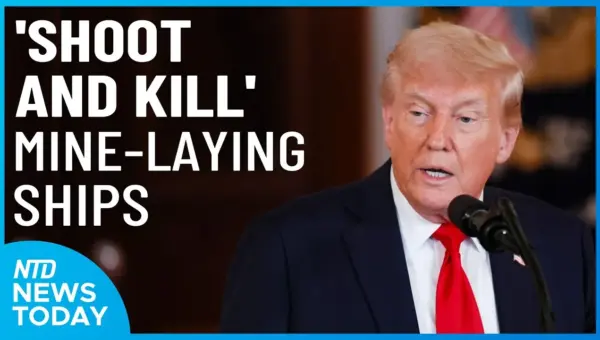
US Navy Readies Lethal Force Against Iran in Hormuz Strait
President Trump has ordered the US Navy to use lethal force against Iranian mine-laying boats in the Strait of Hormuz, escalating tensions. Meanwhile, the White House accuses China of stealing AI technology, adding another layer to global competition. These actions, coupled with economic sanctions on Iran, aim to reshape regional dynamics and prevent nuclear proliferation.
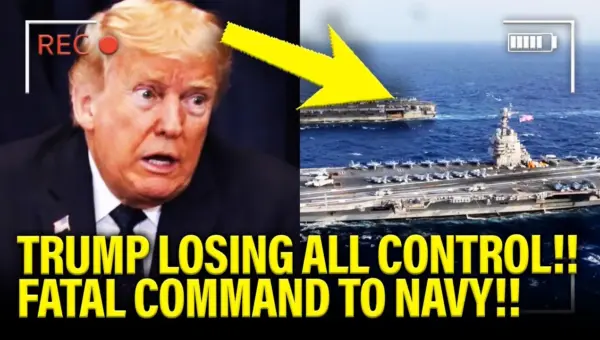
Trump’s Navy Orders Spark Global Firestorm
President Trump's directive for the U.S. Navy to fire on Iranian boats in the Strait of Hormuz, based on a disputed claim of mine-laying, has sparked significant controversy. The author criticizes the order as delusional and highlights concerns about the appointed acting Navy chief's past remarks.


Trump Orders Navy to Shoot Iran Boats in Strait of Hormuz
President Trump has ordered the U.S. Navy to "shoot and kill" any Iranian boats attempting to place mines in the Strait of Hormuz, escalating regional tensions. Meanwhile, exiled Iranian Crown Prince Reza Pahlavi was attacked in Berlin after criticizing U.S.-Iran talks. Geopolitical experts highlight the strait's critical role in global trade and the complex diplomatic and military dynamics at play.