Oil Prices Tumble Despite Failed Ceasefire Talks
Oil prices unexpectedly dropped despite the failure of ceasefire talks, a scenario that typically drives prices higher. The leading theory suggests large traders placed huge bets on falling prices, known as short positions, and may have used the ceasefire announcement as an opportunity to exit these trades.


Oil Prices Defy Expectations Amidst Geopolitical Uncertainty
Oil prices took an unexpected nosedive recently, a move that left many market watchers puzzled. This decline occurred despite news that ceasefire talks had failed, a development that typically fuels higher oil prices. Instead of spiking, the market saw a significant drop, creating a disconnect between geopolitical events and oil’s paper price.
The most compelling explanation for this counterintuitive price action centers on a theory of massive bets placed on falling oil prices. These bets, known as short positions, were reportedly timed around the ceasefire announcement. Investigations are now underway into these large-scale trades, suggesting a deliberate attempt to influence or capitalize on market movements.
Understanding Short Positions in Oil Futures
A short position in oil futures is a strategy where traders bet that the price of oil will decrease. When a trader takes a short position, they are essentially selling a contract for oil they do not currently own. This contract specifies a future date for either delivering the physical oil or settling the difference in cash.
If the price of oil falls before the contract expires, the trader can buy it back at a lower price, fulfilling their obligation and pocketing the difference. This mechanism allows traders to profit from falling prices, but it also carries significant risk if oil prices rise instead.
The Ceasefire Talk Theory
The prevailing theory suggests that the timing of the failed ceasefire talks was not coincidental for those holding these short positions. It is believed that the announcement may have provided a brief window of opportunity. This window allowed traders with significant short positions to exit their trades before the physical realities of the market made the paper price unsustainable.
Essentially, the market may have been manipulated, or at least influenced, by large players seeking to close out their bets against rising oil prices. They might have used the perceived stability from ceasefire talks as a temporary cover to exit their positions without incurring massive losses as geopolitical tensions potentially re-escalated.
Market Impact and Investor Considerations
This event highlights the complex interplay between geopolitical news, market sentiment, and sophisticated trading strategies. The disconnect between the expected reaction to failed peace talks and the actual price movement of oil points to the influence of large financial players.
Investors should be aware that oil prices can be influenced by factors beyond immediate supply and demand, including large-scale speculative trading. Understanding these dynamics is crucial for navigating the volatility inherent in energy markets. The investigation into these short positions could reveal more about market manipulation tactics.
Looking Ahead
The ongoing investigation into these massive short positions will be closely watched. Its findings could clarify the integrity of oil price discovery. Market participants will be looking for any further developments regarding regulatory scrutiny or potential changes to trading practices.
The next key event to monitor will be any official statements from the investigators or any shifts in oil futures trading patterns. These will offer clues about the true forces shaping the oil market.
Source: Why Oil Dropped When It Should’ve Spiked (YouTube)

Related Articles

Oil Prices Surge as Iran Seizes Ships, Disrupts Trade
Tensions in the Strait of Hormuz have escalated, with Iran seizing commercial vessels and the U.S. blockading oil exports. This dual pressure is driving oil prices above $103 per barrel and threatening global supply chains. Despite rising risks, stock markets remain surprisingly resilient, buoyed by AI optimism and expectations of a swift resolution.

Trump’s Ukraine Stance Unlikely to Shift, Ex-FM Kuleba States
Former Ukrainian Foreign Minister Dmytro Kuleba stated that Donald Trump's stance on Ukraine is unlikely to change significantly, regardless of Kyiv's actions. Kuleba cited Trump's desire to avoid feeling indebted and his ego as key factors influencing his consistent approach. This suggests a transactional foreign policy focus that prioritizes U.S. autonomy over existing commitments.
Trump Faces Humiliation as Iran Talks Stall, Blockade Debate Rages
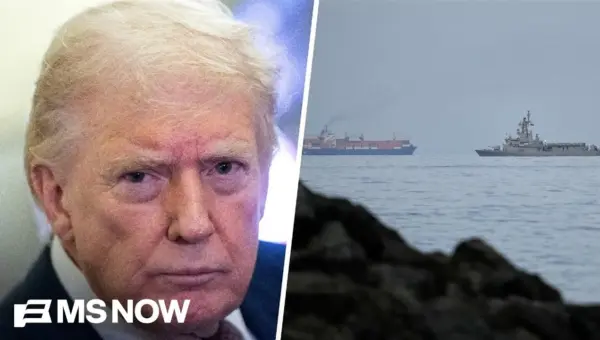
President Trump claims Iran is leaderless amid stalled negotiations, but experts dispute his assertions, pointing to continued Iranian military actions and a hard-line leadership in firm control. The ongoing U.S. blockade and Iran's retaliatory measures are creating significant economic risks for both nations and the global economy.