Canada Rejects US Demands, Shifting Trade Ties
Canada is pushing back against U.S. economic pressure, driven by perceived arrogance and destabilizing trade demands. This is hurting American businesses, especially in tourism-reliant states like New Hampshire, and signals a potential shift in North American economic ties. Canada is actively seeking new trade partners, reducing its reliance on the U.S. and challenging Washington's dominant position.

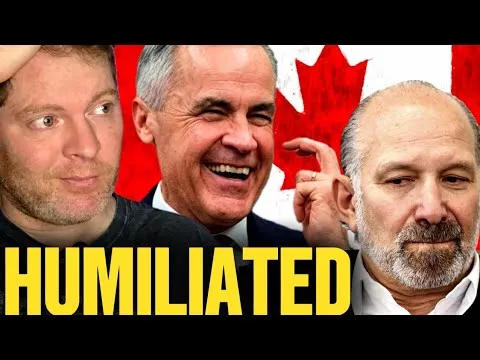
Canada Rejects US Demands, Shifting Trade Ties
Canada is increasingly distancing itself from the United States economically, driven by what it sees as arrogant and destabilizing trade policies from Washington. This shift is impacting American businesses, particularly in border states like New Hampshire, and signals a larger change in North American economic relations.
The tension surfaced recently when U.S. Commerce Secretary Howard Lutnik publicly criticized Canada for not stocking American spirits, like Jack Daniels, on store shelves. He called Canada’s actions insulting and disrespectful to America. This complaint came despite ongoing trade talks and broader economic challenges affecting both nations.
New Hampshire Senator Janine Shaheen pushed back, highlighting the negative impact on her state’s economy. She explained that such rhetoric and U.S. policies are deterring Canadian tourists.
Many small businesses in New Hampshire rely heavily on visitors from Canada. Shaheen pointed out that this lack of tourism directly hurts jobs and families in her state.
The video transcript suggests that Canada has largely boycotted American goods and tourism in response to U.S. actions. This reaction is seen as justified if the U.S. is trying to destabilize Canada or force its hand. However, completely separating economies is difficult due to existing trade ties.
Economic Fallout for New Hampshire
New Hampshire alone has seen a 30% drop in Canadian tourism. This sector supports about 70,000 jobs in the state.
Families depend on this income for rent, mortgages, and daily expenses. Small businesses are struggling significantly due to this loss of Canadian visitors.
The impact is expected to continue, even if political leadership changes in the U.S. Canadians may not return as tourists in large numbers. This is partly due to a desire for more competent leadership and a growing sense of national pride. Canadians are realizing they can hurt the U.S. economy simply by choosing not to vacation there.
Trade Negotiations Under Pressure
Beyond tourism, deeper trade issues are at play. The upcoming review of the Canada-U.S.-Mexico Agreement (KSMA) is a crucial point.
Normally, allies negotiate new trade policies. However, the current U.S. administration is reportedly demanding significant concessions upfront.
Mark Carney, representing Canada, has refused these demands. His mandate is to increase Canada’s independence from the U.S. He stated that the U.S. no longer dictates terms. This stance challenges the perception that countries have no other options but to comply with U.S. demands.
The U.S. views its top export market, Canada, like a subordinate that must pay a fee before serious talks can begin. This approach is seen as bullying and is being met with resistance.
Canada’s Alternative Trade Deals
While many Americans might not realize it, Canada has been busy. Mark Carney has reportedly made about 20 new trade agreements in recent months. This shows Canada is diversifying its economic partnerships and reducing reliance on the U.S.
One significant area is the potential import of Chinese-made electric vehicles (EVs). These EVs could disrupt the U.S. auto market, which struggles to offer affordable, high-quality options. Many Americans might prefer a well-made Chinese EV over less reliable American or Japanese models, especially if the price is significantly lower.
The U.S. is trying to pressure Canada, but Canada is calling the bluff. This makes officials in Washington uncomfortable as they realize they don’t hold all the cards anymore.
Broader Economic Disconnect
The dispute over spirits and tourism is a distraction from larger policy failures. The U.S. economy is facing serious structural problems, according to the transcript. While politicians and billionaires may present a strong image, many working-class Americans are struggling.
Many Americans are applying for jobs but getting few interviews. This suggests a weak job market despite official claims.
The cost of goods, groceries, and energy could rise significantly if trade corridors are disrupted. Canada is a major supplier of goods to the U.S., and its importance is often underestimated.
The administration’s rhetoric, suggesting Canada relies on U.S. generosity, is seen as deeply insulting and out of touch. This disconnect between political leaders and the reality faced by ordinary citizens is a major concern.
Future Scenarios and Global Impact
The current approach risks alienating allies and damaging the U.S. economy. If Canada retaliates further, or supply chains decouple due to U.S. demands, the cost of living for Americans will increase. This could lead to widespread economic hardship.
The transcript argues that politicians in Washington do not pay the price for these trade disputes. Instead, it is the average working-class American who suffers. The fear is that the U.S. is becoming isolated, and its global influence is waning due to these policies.
For Canadians watching, the situation is frustrating but also an opportunity. They can witness the U.S. struggling with its own policies while Canada builds stronger international ties. The article suggests that the U.S. needs to recognize that the world extends beyond its borders and that bullying tactics are counterproductive.
The situation highlights a growing trend of nations seeking greater economic independence and forging new partnerships. This could lead to a more multipolar world order, where the U.S. no longer holds singular dominance. The coming months will be critical in observing how these trade relationships evolve, especially with upcoming trade reviews and potential policy changes.
Source: The Cost Of Arrogance: Why Canada Is Quietly Abandoning The US Economy (YouTube)

Related Articles

Oil Prices Surge as Iran Seizes Ships, Disrupts Trade
Tensions in the Strait of Hormuz have escalated, with Iran seizing commercial vessels and the U.S. blockading oil exports. This dual pressure is driving oil prices above $103 per barrel and threatening global supply chains. Despite rising risks, stock markets remain surprisingly resilient, buoyed by AI optimism and expectations of a swift resolution.


Trump’s Ukraine Stance Unlikely to Shift, Ex-FM Kuleba States
Former Ukrainian Foreign Minister Dmytro Kuleba stated that Donald Trump's stance on Ukraine is unlikely to change significantly, regardless of Kyiv's actions. Kuleba cited Trump's desire to avoid feeling indebted and his ego as key factors influencing his consistent approach. This suggests a transactional foreign policy focus that prioritizes U.S. autonomy over existing commitments.


Oil Prices Tumble Despite Failed Ceasefire Talks
Oil prices unexpectedly dropped despite the failure of ceasefire talks, a scenario that typically drives prices higher. The leading theory suggests large traders placed huge bets on falling prices, known as short positions, and may have used the ceasefire announcement as an opportunity to exit these trades.