Trump’s Health: Where’s The Physical Report?
Donald Trump's annual physical results from last April remain unreleased, fueling public discussion about his cognitive health. While Trump has spoken about cognitive tests as a challenge he excelled at, experts note these tests, like the MoCA, are designed to detect signs of cognitive impairment, not measure intelligence. The transparency of a leader's health is crucial for public trust.

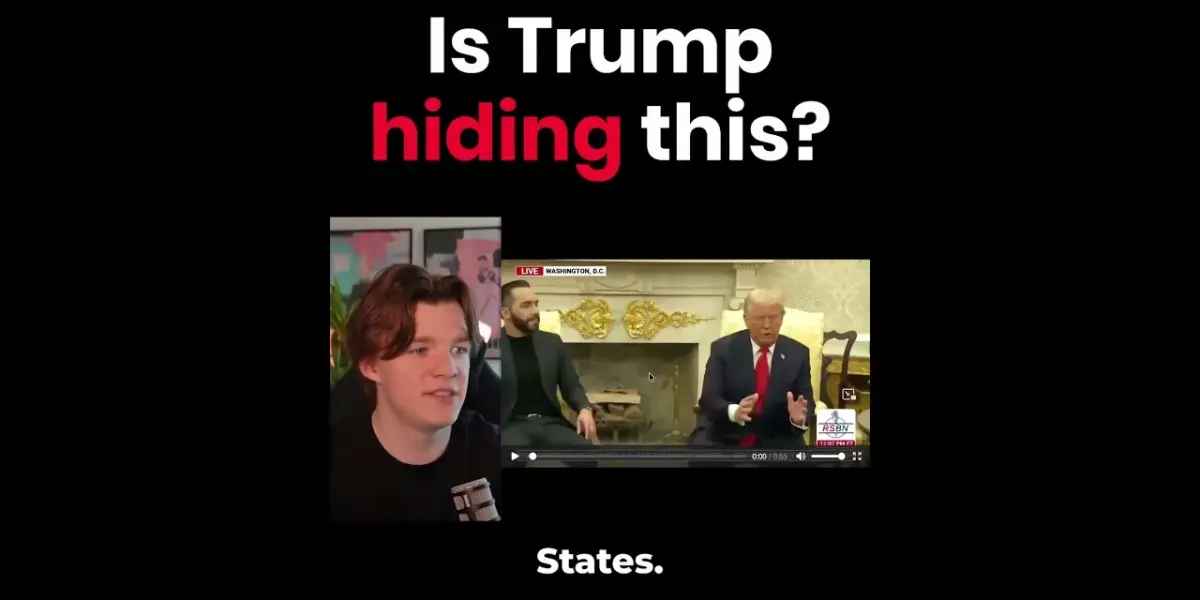
Trump’s Missing Physical Sparks Health Questions
Donald Trump had a physical examination last April, an event that is typically an annual occurrence. However, the results of this physical have not been released. This lack of information comes at a time when many are discussing concerns about his cognitive abilities.
Both The New York Times and CNN have reported on discussions and polling related to Trump’s perceived cognitive state. The transcript highlights a clip where Trump discusses taking a cognitive test, claiming he aced it and that he was the only one to take it. He mentions taking it multiple times and finding it easy.
Cognitive Tests: What Are They Really?
The transcript points out that Trump has spoken about cognitive tests as if they were IQ tests. He emphasizes how difficult he found the test and his high score on it. This framing suggests a misunderstanding of the test’s purpose.
In reality, the test in question is likely the MoCA (Montreal Cognitive Assessment). This test is commonly used by doctors to help detect early signs of memory loss and other cognitive impairment problems, such as dementia or Alzheimer’s disease. It is not designed to be an IQ test or a measure of general intelligence.
The transcript implies that Trump took the MoCA test, not a general intelligence test. His focus on scoring high and the test’s difficulty seems to miss the point of its medical application. Doctors use these tests to check for specific health concerns, not to compare people’s smarts.
Why This Matters
The health and cognitive fitness of political leaders are always important to the public. When a former president undergoes a physical, the results are usually shared to reassure the public about his well-being. The absence of Trump’s latest physical report leaves many wondering what it contains.
This situation raises questions about transparency in politics. Voters have a right to know if their leaders are fit for office. The discussion around Trump’s cognitive health, fueled by his own comments and media reports, makes the release of his physical results even more significant.
Historical Context of Leader Health
Throughout history, the health of leaders has played a critical role in public perception and, at times, national stability. From Franklin D.
Roosevelt’s polio to John F. Kennedy’s chronic health issues, the public has often been aware of the physical challenges faced by their presidents.
In many cases, the health status of a leader was kept private for strategic or political reasons. However, in modern times, there is a greater expectation for openness. The annual physicals and their published reports have become a standard part of this expectation for the U.S. presidency.
Future Outlook
The ongoing discussion about Trump’s cognitive health and the lack of a released physical report will likely continue. As presidential campaigns progress, voters will be looking for clear information about the health of all candidates.
The way this situation is handled could set a precedent for how health information is shared by public figures in the future. Transparency regarding health matters is key for building trust between leaders and the people they serve.
The next presidential physical examination results will be eagerly awaited by the public and the press.
Source: What's Going On??? (YouTube)

Related Articles
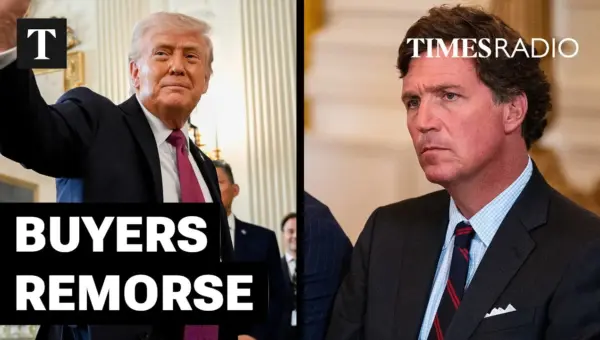
Tucker Carlson Regrets Trump Support Amid Shifting MAGA Alliances
Tucker Carlson has publicly regretted his past support for Donald Trump, signaling potential shifts within the MAGA movement. Meanwhile, the Navy Secretary's recent departure from the Pentagon raises questions about leadership stability amid ongoing international tensions.
Pence: Vance Never Called; Criticizes Trump’s Tariffs
Former Vice President Mike Pence revealed he has never spoken with his successor, Senator J.D. Vance, in an exclusive interview. Pence also criticized former President Trump's use of tariffs, asserting that taxes and imposts must originate in Congress.

Trump, Putin Share Ukraine Worldview, Kuleba Claims
Ukrainian Foreign Minister Dmytro Kuleba claims former U.S. President Donald Trump and Russian President Vladimir Putin share a similar worldview. Both, he suggests, believe smaller nations should submit to the demands of greater powers. This perspective could significantly alter U.S. policy toward the Ukraine conflict.