South Park’s Humor Highlights Real Health Care Struggles
A doctor reviews South Park's medical scenes, highlighting real-world struggles with insurance, medication approvals, and understanding conditions like head lice and coma care. The humor underscores the complexities patients and doctors navigate daily in the healthcare system.

South Park’s Humor Highlights Real Health Care Struggles
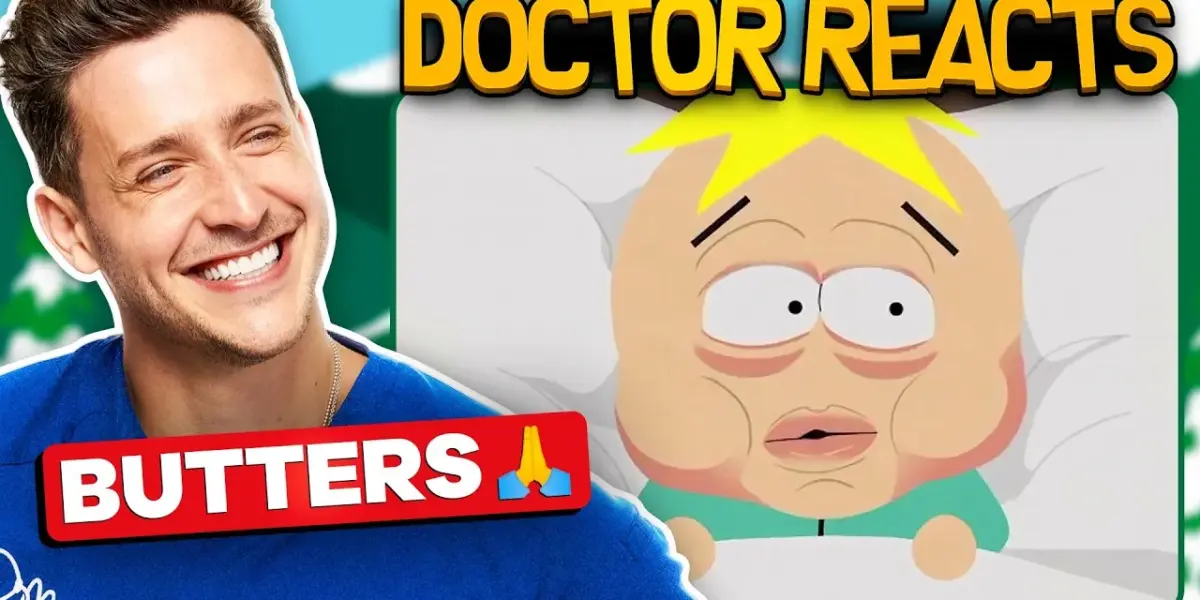
Humor can be a powerful tool to discuss difficult topics, and sometimes, even animated shows like South Park can clarify serious issues within the healthcare system. A doctor recently reviewed several South Park medical scenes, pointing out how the show, while exaggerated for comedy, touches upon real-world challenges patients and doctors face. These challenges range from insurance claim denials to understanding complex medical conditions.
One recurring theme in the reviewed clips involves the frustrating process of getting medications approved by insurance companies. The show depicts insurance company employees as seemingly unhelpful, using outdated technology like typewriters and rotary phones to process claims. While this is a comedic exaggeration, it mirrors the real-life struggles many patients experience when trying to get coverage for necessary treatments, particularly for medications like GLP-1 agonists.
The Battle for Medication Approval
Dr. Dave, a physician who reviewed the clips, shared his own experiences. He explained that getting patients the GLP-1 medications they need for conditions like diabetes or for weight management can be a significant battle. These medications can be highly effective, helping patients manage chronic diseases and reduce their need for more intensive medical care, ultimately saving the healthcare system money.
However, insurance companies sometimes deny coverage or remove these drugs from their approved lists, even after a patient has been successfully using them. The show humorously portrays a medical director whose sole job seems to be denying claims to increase company profits. Dr. Dave noted that while not all medical directors are solely profit-driven, the system can indeed make it difficult to get approvals, sometimes leading patients to give up on their claims.
The complexity of the American healthcare system is another point highlighted. Navigating insurance forms, needing specific diagnostic codes, and requiring second opinions from in-network doctors are all depicted in the show.
These scenarios, while played for laughs, represent the bureaucratic hurdles that can delay or prevent necessary medical care. Dr. Dave emphasized that these administrative complexities can be a significant source of stress for both patients and healthcare providers.
Understanding Head Lice and Coma Care
Beyond insurance issues, the review touched upon other medical topics. The show’s depiction of head lice, for instance, allowed for a discussion about how these common infestations spread and are treated. Dr. Dave clarified that head lice are spread through close contact, not by jumping, and they do not transmit diseases.
He also explained that while lice can cause itching and secondary infections from scratching, they are not inherently dangerous. He mentioned various treatment options, including medicated shampoos, a heat-based device called a louse buster, and meticulous wet combing techniques. These methods aim to eliminate lice and their eggs effectively, offering alternatives to traditional chemical treatments.
The clips also touched upon the serious medical condition of a coma. The show humorously depicted a character falling into a coma after a foolish accident.
In a real medical setting, doctors might induce an artificial coma to reduce swelling in the brain after a severe head injury. This is done to decrease the brain’s metabolic demands and prevent further damage.
Medical professionals use strategies like adjusting a patient’s position and administering specific medications to manage brain swelling, a dangerous condition in the confined space of the skull. The recovery from a coma is unpredictable and depends on the severity of the brain injury and the patient’s individual response to treatment. Doctors monitor patients closely to track progress and adjust care plans accordingly.
Allergic Reactions and Trauma Care
Another scenario involved a severe allergic reaction, specifically to an almond M&M. This led to a discussion of anaphylactic shock, a life-threatening condition characterized by rapid swelling, difficulty breathing, and a drop in blood pressure. The review stressed that while Benadryl might offer some relief for milder allergies, severe reactions like anaphylaxis require immediate administration of epinephrine.
The clips also presented extreme trauma scenarios, including severe facial injuries and spinal cord damage. Dr. Dave explained the critical nature of such injuries, highlighting concerns about paralysis and internal bleeding. He noted that in cases of severe spinal cord injury, the focus is on stabilizing the patient and preventing further harm.
The review concluded by touching on the unpredictability of recovery from severe trauma. While South Park uses exaggerated situations for comedic effect, the underlying medical principles, from insurance battles to understanding severe injuries, resonate with real-world healthcare experiences. The doctor’s commentary provided a valuable, albeit humorous, look at these complex issues.
Key Health Takeaways
- Insurance hurdles are real: Getting approval for medications and treatments from insurance companies can be a complex and frustrating process for many.
- Obesity is a disease: Treating obesity can help manage other related health risks, potentially saving long-term healthcare costs.
- Head lice are not dangerous: Head lice spread through close contact and do not transmit diseases; effective treatments are available.
- Coma care is critical: Medical professionals use specific methods to manage brain swelling and support patients in comas.
- Anaphylaxis needs immediate care: Severe allergic reactions require prompt medical attention, often with epinephrine.
- Trauma requires expert care: Severe injuries need immediate stabilization and specialized treatment to improve outcomes.
This article is for informational purposes only and does not constitute medical advice. Always consult with a qualified healthcare provider for any health concerns or before making any decisions related to your health or treatment.
The discussion is a reminder of the importance of clear communication with healthcare providers and understanding the processes involved in receiving medical care.
Source: Doctor Reacts To Hilarious South Park Medical Scenes (YouTube)

Related Articles


Doctor Shares Near-Death Experience and Healthcare System Insights
Dr. Will Flanary, known as Dr. Glaucomflecken, shares his personal experience with cardiac arrest and testicular cancer, highlighting the emotional toll on patients and families. He discusses the healthcare system's shortcomings in supporting caregivers and advocates for a more human-centered approach.


Unpacking Health Myths: A Humorous Look at Medical Facts
Explore the science behind everyday health topics and debunk common myths with a humorous look at medical memes. Learn about antacids, food safety, heart health, and more.


Strait of Hormuz Blockade: Insurance Costs Soar, Ships Stuck
The Strait of Hormuz remains largely blocked despite Iran's claims of openness, with soaring insurance costs acting as a major deterrent for ships. Skyrocketing premiums, from less than 1% to potentially 7.5% of a vessel's value, make transit financially unviable for many. This situation impacts global oil prices and the broader economy, highlighting the complex interplay of geopolitical tensions, insurance markets, and international trade.