Civil Rights Group Accused of Funding Hate Groups for Profit
The Southern Poverty Law Center faces federal fraud and money laundering charges for allegedly paying millions to informants within hate groups. Prosecutors claim donor money was used to fund extremist leaders over nearly a decade. The SPLC denies the charges, calling informant work necessary and vowing to fight the indictment.


Civil Rights Group Accused of Funding Hate Groups for Profit
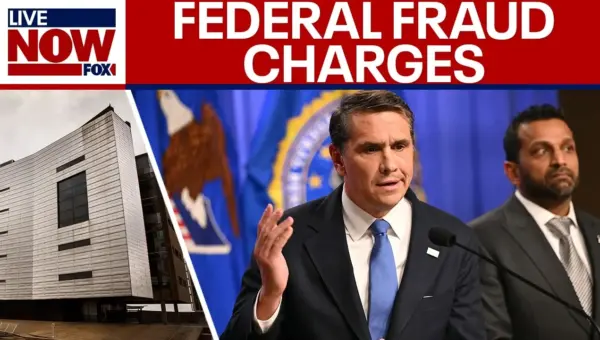
The Justice Department has brought fraud charges against the Southern Poverty Law Center (SPLC), a well-known civil rights organization. Federal prosecutors claim the group used money from donors to pay informants who were embedded within extremist and hate groups. This indictment raises serious questions about the methods used by organizations that fight against extremism.
An 11-count indictment, returned by a grand jury, charges the SPLC with six counts of wire fraud, four counts of bank fraud, and one count of conspiracy to commit money laundering. These charges suggest a pattern of deception that allegedly spanned nearly a decade, from 2014 to 2023. The payments reportedly went to individuals within groups like the Ku Klux Klan and the Nationalist Socialist Movement.
The SPLC is a non-profit organization that tracks extremist groups and takes legal action against hate organizations. However, the indictment alleges that instead of simply dismantling these groups, the SPLC was, in essence, manufacturing the very extremism it claimed to oppose. Prosecutors say the group lied to its thousands of American donors to fund payments to leaders of these supposed violent extremist organizations.
According to the FBI, the SPLC used deceptive financial practices to move the money. They allegedly set up shell companies and other entities across the country.
This was reportedly done to hide the source of the funds from financial institutions. The goal was to make it appear as though the money was not coming from the SPLC, a tactic that ultimately failed when investigators followed the money trail.
The SPLC has strongly denied these accusations. Brian Fair, the group’s interim president, stated that the SPLC has historically used informants to gather vital intelligence on extremely violent groups.
He called this practice necessary for their work. Fair also mentioned that the SPLC no longer works with paid informants and has shared the information they collected with law enforcement agencies.
Fair vowed to fight the charges vigorously. He suggested that the Trump administration was targeting the SPLC and that the Department of Justice was making false allegations.
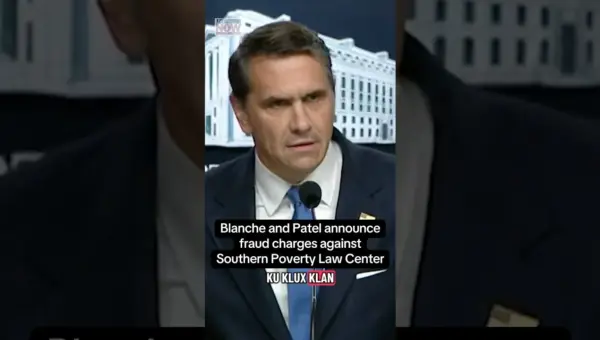
He believes the indictment is politically motivated. However, acting Attorney General Todd Blanche dismissed claims of political bias.
Blanche stated that the indictment is a public document available for everyone to read. He argued that the allegations are extraordinarily serious.
He used an example to illustrate the gravity of the situation: imagine a donor giving money to the SPLC, only to find out later that a portion of those funds, sometimes over a million dollars, went to groups like the Ku Klux Klan. He described such a scenario as shaking the foundation of democracy.
Why This Matters
This case is significant because it involves a prominent civil rights organization accused of serious financial crimes. It raises critical questions about the ethics and legality of using informants within extremist groups, even for intelligence gathering. The accusations could damage public trust in non-profit organizations working on sensitive issues.
The SPLC has been a key player in documenting and combating hate groups for decades. Their work has often been praised, but they have also faced criticism, particularly from conservatives who argue the organization unfairly labels right-leaning groups as extremists. This indictment could embolden critics and lead to a re-evaluation of how such organizations operate and are perceived.
The allegations of defrauding donors and paying extremist leaders are particularly troubling. If proven true, they would represent a significant betrayal of public trust and donor intent. The Justice Department’s investigation is ongoing, and the outcome could have lasting implications for the SPLC and the broader landscape of civil rights advocacy and counter-extremism efforts.
Historical Context and Trends
Organizations like the SPLC have long relied on intelligence gathering to combat hate and extremism. Throughout history, law enforcement and advocacy groups have used various methods to infiltrate and monitor dangerous organizations. This often involves a moral and ethical tightrope, balancing the need for information against the risks and potential for abuse.
The use of informants, while a common tool, carries inherent risks. Informants can sometimes be motivated by personal gain, leading to embellished or fabricated information. In this case, the accusation is that payments were not just for information but were directly funding the leadership of hate groups, a much more serious charge.
The SPLC has been a lightning rod for criticism for years, accused by some of exaggerating threats to maintain its funding. This indictment, however, shifts the focus from their methodology in labeling groups to alleged criminal financial misconduct. The Justice Department’s actions, regardless of political motivation, highlight the intense scrutiny such organizations face.
Implications and Future Outlook
The immediate implication for the SPLC is significant reputational and financial damage. The charges could lead to a decrease in donations and increased legal costs. The organization will likely face a difficult legal battle to clear its name.
Looking ahead, this case could lead to stricter oversight of non-profit organizations that engage in sensitive informant operations. Donors may become more cautious about where their money is going. Transparency in financial dealings and operational methods will likely become even more crucial for organizations like the SPLC.
The Justice Department’s stated intention to continue the investigation suggests that more information may come to light. The ongoing nature of the case means its full impact is yet to be determined. The outcome will shape discussions about how best to monitor and combat extremist groups effectively and ethically.
The investigation into the Southern Poverty Law Center is ongoing. Federal prosecutors have stated the case is very troubling.
Source: Southern Poverty Law Center Charged With Fraud Over Payments to Informants in Extremist Groups (YouTube)

Related Articles

SPLC Accused of Paying Extremists with Donor Funds
The Southern Poverty Law Center (SPLC) faces federal charges for allegedly paying over $3 million to individuals linked with hate groups between 2014 and 2023. An indictment claims the SPLC used donor funds to pay leaders of extremist organizations while simultaneously producing reports on their activities. This alleged practice contradicts the SPLC's public mission of dismantling such groups.

SPLC Charged with Fraud, Funding Extremist Groups
Federal authorities have charged the Southern Poverty Law Center (SPLC) with fraud, alleging a decade-long scheme to funnel over $3 million to extremist groups. The indictment claims the SPLC misled donors, using funds raised to combat hate to instead pay leaders of organizations like the Ku Klux Klan. The investigation is ongoing, with officials emphasizing the alleged deception of financial institutions and donors.


Players Honor Jackie Robinson Day: No. 42 Worn by All
Major League Baseball players, coaches, and umpires all wore number 42 to honor Jackie Robinson Day. This tradition highlights Robinson's courage in breaking the color barrier and his impact on civil rights. The league united to remember his struggles and celebrate his incredible success against adversity.