FAA’s $30 Billion Tech Overhaul Aims to Fix Near Misses
Recent near-misses highlight the urgent need for the FAA's $30 billion modernization plan. This effort aims to replace outdated technology with advanced software and hardware. The plan also focuses on hiring and retaining air traffic controllers to ensure safer skies.

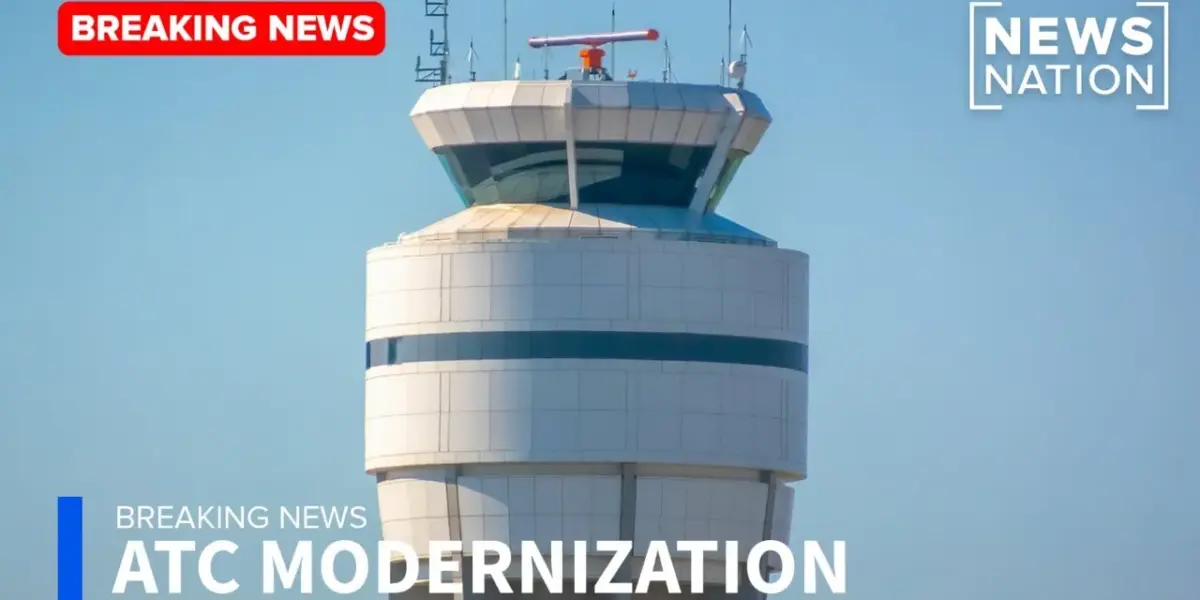
FAA’s $30 Billion Tech Overhaul Aims to Fix Near Misses
A recent close call in Nashville, where two Southwest planes almost collided, highlights urgent issues with air traffic control. One plane was landing while another was taking off, coming within 500 feet of each other.
Pilots managed to avoid disaster thanks to quick reactions and onboard alarms, but the incident is part of a worrying trend. This event follows other technical problems and radar blackouts, raising serious questions about the safety of our skies.
The Department of Transportation is now pushing forward with a major plan to modernize the air traffic control system. Secretary Sean Duffy announced an effort costing over $30 billion.
This overhaul is the largest since the 1950s and aims to bring our air traffic technology into the 21st century within the next two and a half years. Right now, the system relies on outdated technology, including floppy disks and paper records.
Why This Matters
Old systems mean less capacity at busy airports and increased risk. The current technology simply can’t keep up with the demands of modern air travel.
This modernization plan seeks to replace these aging components with cutting-edge software and hardware. The goal is to give air traffic controllers better tools to manage airspace and prevent problems before they happen.
The Department of Transportation has already committed $12.5 billion to this project. In just one year, they have replaced nearly half of all copper wires, converted about 270 radio sites, and installed over 50 new surface awareness systems.
Seventeen towers have also switched from paper flight strips to electronic ones. These are significant steps towards a more efficient and safer air traffic system.
The Road Ahead
However, Secretary Duffy acknowledges that more funding is needed. The White House has requested an additional $4 billion to complete the overhaul. Congress will need to approve this funding, but Duffy believes it should be a bipartisan issue.
Developing, deploying, and debugging new software takes time and resources. Getting the software ready alongside infrastructure upgrades is key to meeting the two-and-a-half-year timeline.
Beyond technology, staffing is also a major concern. Secretary Duffy has made controller recruitment a top priority. Since March of last year, over 2,000 new air traffic controllers have been hired.
Innovative recruitment efforts, like those targeting gamers, have shown promise. In the first 24 hours of one campaign, more than 12,000 people applied for controller jobs.
Attracting the Next Generation
Duffy believes the new technology will also help attract younger talent. Today’s young people want to work with modern tools, not outdated 1980s technology.
Upgraded systems will make travel smoother and skies safer, helping to attract the next wave of skilled controllers. This is about ensuring the system is not only technologically advanced but also has the human expertise to operate it effectively.
While safety is a constant question, Duffy assures the public that flying is the safest mode of transportation. He emphasizes that it’s not just the systems but the skilled people who make it safe.
The modernization plan aims to support these professionals with the best tools available. The next step involves securing the remaining funding and continuing the rollout of new technologies and training programs.
Source: Duffy discusses details of 2028 FAA modernization plan | NewsNation Live (YouTube)

Related Articles
FAA Probes JFK Near-Miss: Air Canada, American Jets Dangerously Close
A tense situation unfolded at JFK airport when an American Airlines regional jet narrowly avoided a collision with an Air Canada jet. Both planes landed safely after onboard alerts activated. The FAA is now investigating the close call, which follows other recent aviation incidents.
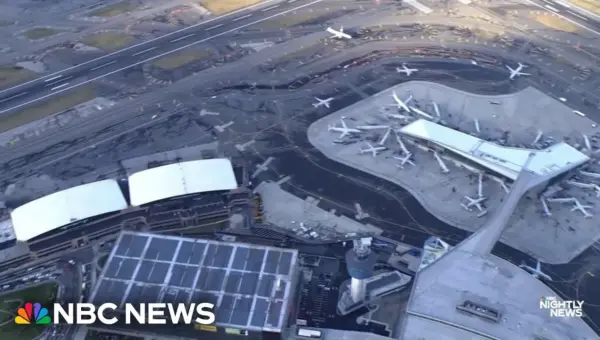
Jets Near Miss at JFK; FAA Probes Airport Safety
A regional jet at JFK Airport narrowly avoided disaster when it strayed dangerously close to another aircraft. The FAA is investigating the close call, which happened amid a recent spike in aviation incidents nationwide. Both planes landed safely, but the event raises renewed questions about airport safety protocols.

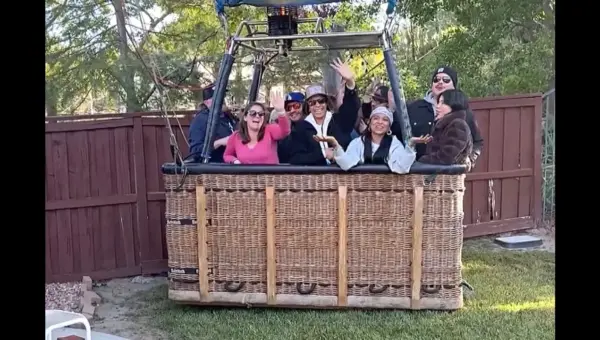
Balloon Crashes Backyard: 13 Strangers Land Unexpectedly
A California couple had 13 unexpected guests land in their backyard when a hot air balloon made an emergency landing. The pilot was forced down by changing winds, but thankfully, no one was hurt. The situation turned into a memorable, albeit surprising, event for the homeowners.