OnlyFans Boom: Is It Men’s Fault or a Moral Free-for-All?
The widespread participation on OnlyFans sparks debate about morality and capitalism. While some see it as a moral failing, others question government intervention and the definition of an objective moral order.

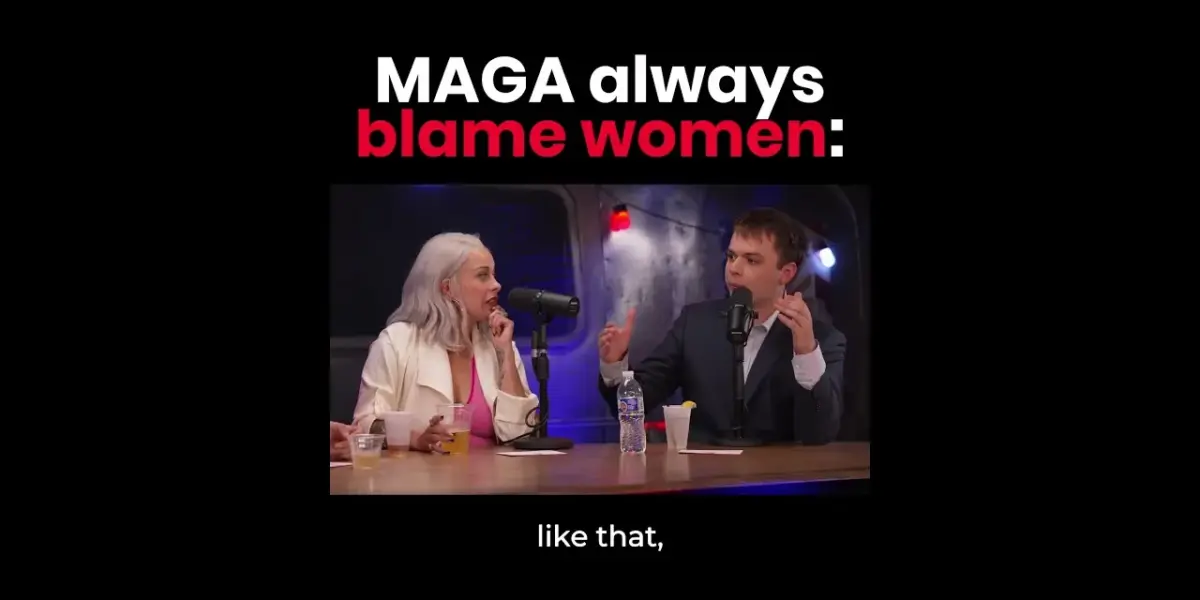
OnlyFans Boom: Is It Men’s Fault or a Moral Free-for-All?
The rise of platforms like OnlyFans has sparked a heated debate about morality, capitalism, and government control. With an estimated 1.4 million women in America participating as creators, the platform’s popularity is undeniable. This massive creator economy involves millions of men as consumers, leading many to question the ethical implications of such a widespread online marketplace.
Fundamentally, the popularity of OnlyFans hinges on a simple economic principle: there can be no seller without a buyer. The platform thrives because men are willing to pay for content, suggesting a demand fueled by loneliness or other desires. This exchange, while controversial, operates within the framework of the free market that many societies embrace.
The Moral Question
Some argue that platforms like OnlyFans are objectively bad, representing a moral failing. They believe there’s an inherent moral order that we can understand through reason. This viewpoint suggests that participating in or supporting such platforms is a sin, leading to a collective judgment on the millions involved.
However, others question who gets to define this moral order, especially when it comes to government intervention. If one group decides OnlyFans is immoral, what stops another group from labeling something else, like certain forms of speech, as equally immoral and deserving of regulation?
Government’s Role: A Slippery Slope?
The question of government intervention immediately arises. Should the government step in to regulate or ban platforms like OnlyFans, effectively acting as the arbiter of morality? This approach raises concerns about the size and scope of government power.
Expanding government control to enforce a specific moral code can lead down a dangerous path. What happens when a future administration decides that other forms of expression or online activity are immoral and should be regulated? This is the essence of the slippery slope argument, where an initial intervention can lead to broader, more intrusive government overreach.
Historical Context and Legal Limits
The debate over regulating adult content has a long history, with obscenity laws existing since the founding of the United States. However, these laws have been significantly challenged and weakened over time, particularly by Supreme Court decisions in the mid-20th century.
These legal shifts mean that even if an administration wanted to ban platforms like OnlyFans, current legal frameworks might prevent them from doing so. The Supreme Court’s rulings have created a higher bar for what can be legally deemed obscene, limiting the government’s ability to intervene based on moral objections alone.
Why This Matters
This discussion is crucial because it touches upon fundamental questions about individual freedom, economic activity, and the role of government in our personal lives. How we balance these competing values shapes the kind of society we live in.
The existence and popularity of OnlyFans highlight a tension between free market principles and societal views on morality. It forces us to consider whether government should enforce a particular moral code or allow individuals the freedom to engage in consensual economic transactions, even if those transactions are viewed as objectionable by some.
Implications and Future Outlook
The ongoing debate suggests that finding a universally accepted solution is unlikely. Different groups hold deeply conflicting views on morality and the proper role of government. As technology evolves, new platforms will likely emerge, continuing these complex discussions.
The legal landscape also plays a significant role. Future court decisions or legislative actions could alter the ability of platforms like OnlyFans to operate. However, the underlying demand and the principles of free markets suggest these platforms will continue to exist in some form.
Ultimately, the conversation around OnlyFans is a modern reflection of age-old debates about human desire, economic freedom, and the boundaries of societal norms. The challenge lies in navigating these issues without sacrificing fundamental freedoms or enabling unchecked moral policing.
Source: It's Always Womens Fault… (YouTube)

Related Articles

Senator Warnock Calls Out Hypocrisy in Faith and Politics
Senator Raphael Warnock has strongly criticized the moral compromises made by some Christians who support a leader found guilty of sexual abuse. He also decried the trivialization of the Epstein files, urging a focus on victims rather than political games.

Man Claims Women Are Evil, Then Says He Follows Them
A man's surprising statements about women, leadership, and morality reveal a complex personal philosophy. He initially questions women's roles but later admits he follows them, deriving his sense of good from them.


UK Sofas Linked to Cancer, Health Risks: New Rules Coming
A two-year investigation reveals that most UK sofas contain toxic flame retardant chemicals, linked to cancer and other health issues. The government is now planning to scrap outdated fire safety rules that led to this widespread chemical use.