Senator Warnock Calls Out Hypocrisy in Faith and Politics
Senator Raphael Warnock has strongly criticized the moral compromises made by some Christians who support a leader found guilty of sexual abuse. He also decried the trivialization of the Epstein files, urging a focus on victims rather than political games.

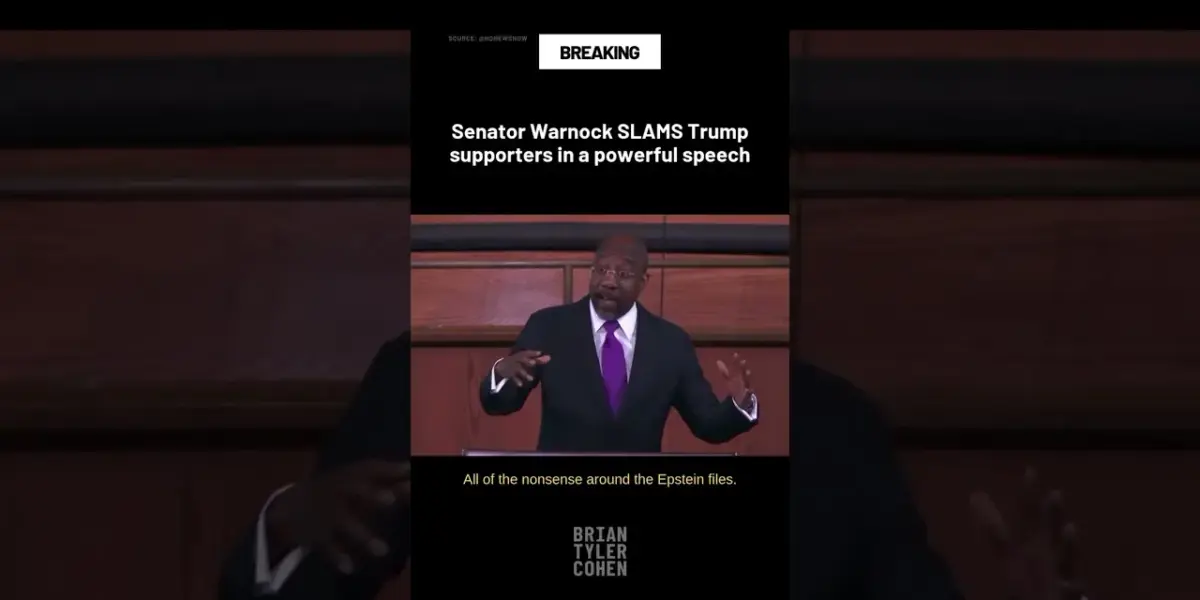
Senator Warnock Decries Moral Compromise in Politics
Senator Raphael Warnock recently delivered a speech that sharply criticized what he sees as a moral disconnect among some of his constituents and political figures. He pointed to the ongoing discussions surrounding the Epstein files and the legal findings concerning Donald Trump, questioning how individuals, particularly those who identify as Christian, can reconcile their faith with support for a leader found guilty of sexual abuse. This critique highlights a deep concern about the influence of power and politics on moral judgment.
Warnock specifically referenced a court verdict confirming a leader as a sexual abuser, noting that this information was public before the individual’s first election. He expressed his dismay at Christians who then surround this figure, treating him as if he were a divine presence. This stark contrast between professed values and observed actions forms the core of his argument.
The Epstein Files and a “Cabal of Awfulness”
The speech also touched upon the disturbing revelations emerging from the Epstein files. Warnock described these revelations as involving a “cabal of awfulness and privilege and power.” He noted the presence of countless unnamed victims caught in this web of exploitation, with the unfolding events reaching across both the Atlantic and American continents.
He expressed frustration that these serious matters are being reduced to political gamesmanship by some. Warnock insisted that the suffering of victims should not be overshadowed by political agendas or partisan squabbles. This perspective frames the issue not as a partisan battle, but as a matter of human dignity and justice.
A Plea for Moral Healing and Empathy
The senator’s message carried a strong call for moral introspection and healing. He stated directly that “God is not pleased with that,” referring to the trivialization of serious allegations and the moral compromises being made. His words suggest a belief that true faith requires a commitment to justice and compassion for the vulnerable.
Warnock’s appeal is for a return to fundamental ethical principles, urging listeners to consider the impact of their choices on those who suffer in silence. He believes that overlooking or excusing harmful behavior for political gain is a profound moral failing that requires collective attention and a spiritual reckoning.
Why This Matters
Senator Warnock’s speech forces a difficult but necessary conversation about the intersection of faith, morality, and political allegiance. It challenges people to examine whether their support for political figures aligns with their stated values, especially when those figures have faced serious accusations or legal judgments.
This issue is particularly relevant in contemporary politics, where partisan divides often seem to overshadow ethical considerations. The senator’s words highlight a potential crisis of conscience for many, prompting questions about how to maintain integrity when faced with complex political realities and deeply held beliefs.
Historical Context and Trends
Throughout history, religious and political leaders have often been intertwined, sometimes leading to accusations of hypocrisy or moral compromise. The current moment, however, seems to amplify these tensions, as social media and 24/7 news cycles make such debates more visible and immediate.
The debate over supporting figures with questionable pasts is not new. Throughout history, societies have grappled with how to balance political necessity or desirability with moral standards. Warnock’s speech taps into this ongoing tension, suggesting that the current political climate presents a particularly acute challenge to maintaining ethical consistency.
Implications and Future Outlook
The implications of such moral debates are significant for the future of political discourse and religious influence. If voters consistently prioritize party loyalty or political outcomes over ethical conduct, it could normalize behavior that harms individuals and erodes public trust.
Moving forward, there is a growing expectation for political figures and their supporters to demonstrate a clearer alignment between their actions and their stated moral or religious principles. The pressure to reconcile these aspects of public life will likely continue to shape political conversations and voter behavior.
Senator Warnock’s powerful message is a reminder that the pursuit of justice and the upholding of moral integrity should remain central to both personal and public life. The ongoing discussions around these issues will undoubtedly continue to influence the political and social landscape for years to come.
Source: Senator Warnock SLAMS Trump supporters in a powerful speech (YouTube)

Related Articles
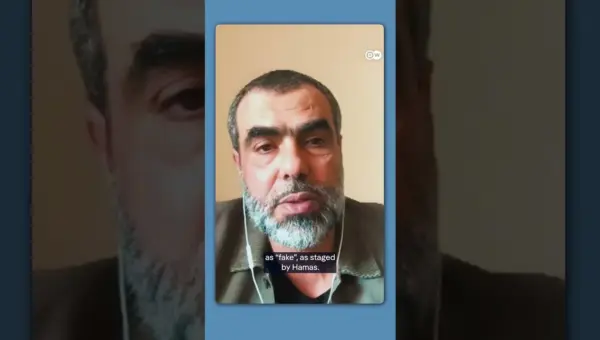
Hamas Support in Gaza: Analyst Reveals Low Popularity
Political analyst Yasa Abu Musa reveals that Hamas's support in Gaza has fallen to as low as 18%, with recent polls and protests indicating public dissatisfaction. However, the daily struggle for survival leaves Gazans preoccupied with basic needs, overshadowing political engagement.
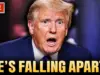
Trump’s Erratic Behavior Fuels Global Unease, Domestic Doubts
Donald Trump's recent public statements and actions are causing significant concern among world leaders and raising questions at home. His frequent outbursts on Truth Social, particularly regarding international affairs, suggest a leader under immense pressure. These displays often come across as desperate attempts to project strength while privately facing considerable challenges.
Mark Gatiss: History’s Warnings Echo in Today’s Troubling News
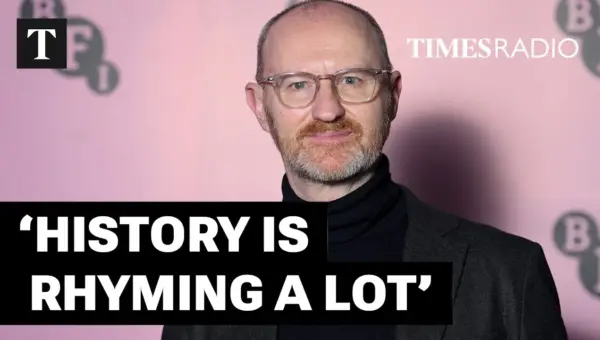
Actor Mark Gatiss draws alarming parallels between historical warnings and current events, stating that "history doesn't repeat itself, but sometimes it rhymes." His role in "The Resistible Rise of Arturo Ui" highlights how old tactics of division and scapegoating are being used effectively today. The discussion also touches on political leadership and public trust amidst current controversies.