Trump’s Iran Strategy Crumbles Under Pressure
Donald Trump's strategy to negotiate with Iran appears to be faltering as the nation reportedly ignores U.S. calls for talks. Despite threats of military action, Iran has signaled it will not negotiate under duress, leading to a unilateral ceasefire extension by the U.S. This diplomatic stalemate raises questions about the effectiveness of current tactics and the potential for future escalation.

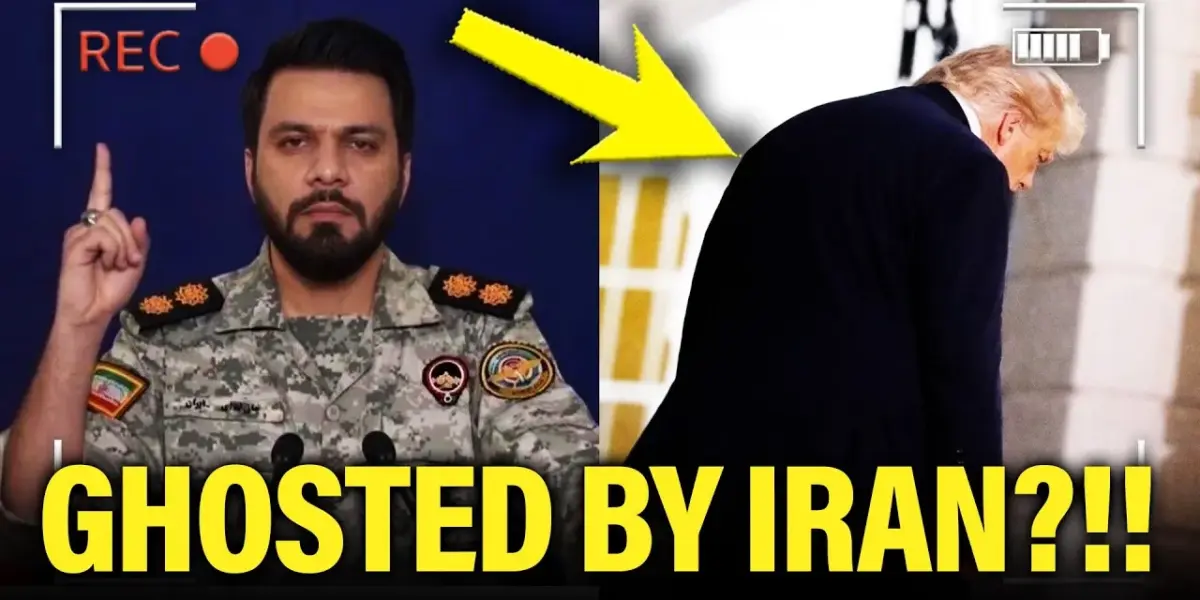
Trump’s Iran Strategy Crumbles Under Pressure
Recent events suggest a significant challenge for Donald Trump’s approach to Iran, as his attempts to negotiate a deal appear to be faltering. Despite threats of military action, Iran has reportedly ignored calls for negotiation, leading to a unilateral extension of a ceasefire deadline by the U.S. This move, seemingly made without Iran’s agreement, has drawn criticism and raised questions about the effectiveness of Trump’s tactics.
The situation escalated as the ceasefire deadline neared. Trump publicly expressed a willingness to resume bombing if a deal wasn’t reached, stating his readiness to demonstrate toughness.
However, in a surprising turn, he later announced an indefinite, unilateral extension of the ceasefire. This decision came as Iran had stated it would not participate in negotiations under the current conditions of a naval blockade and continued threats.
Iran Views Trump as Easily Deceived
Leading news outlets have highlighted Iran’s perspective on the negotiations. The Wall Street Journal, in an opinion piece, suggested that Iran views Trump as a “sucker,” questioning how many times they expect him to engage in this game before reopening the Strait of Hormuz. This sentiment echoes past statements by Trump himself, who in 2013 posted, “The worst thing you can possibly do in a deal is seem desperate to make it.” Critics argue that Trump’s current actions display such desperation.
Trump has publicly pushed back against these interpretations. He criticized the Wall Street Journal’s editorial board, citing Iran’s long history of actions and questioning the notion that he is being taken advantage of. He pointed to his claims of inflicting significant financial damage on Iran, suggesting these actions contradict the idea of him being a “sucker.” However, the article suggests that Iran and others do not share this view.
Diplomatic Stalemate and Public Displays
The official stance from Iran’s Islamic Republic of Iran Broadcasting network indicated a rejection of U.S. conditions for negotiations. They stated that Iran would not negotiate under the threat of force, emphasizing that a naval blockade is a form of coercion, not diplomacy. Iran’s ambassador to the UN reiterated this position, saying negotiations could only occur if the U.S. lifted the naval blockade.
Iranian social media has also been active, with posts suggesting that demanding negotiations while holding a “gun to the table” is not genuine diplomacy. This reflects a broader sentiment that Trump’s approach is an attempt to avoid war without appearing to back down, a strategy that seems to be failing. The vice president’s planned trip to Pakistan for further talks was reportedly put on hold due to a lack of response from Iran, a situation described as “virtual silence.”
Historical Context: The Strait of Hormuz
The Strait of Hormuz is a vital waterway for global oil transport. Control over or disruption of this strait has been a significant point of leverage and tension in U.S.-Iran relations for decades.
Iran has previously threatened to close the strait, a move that would have severe economic consequences globally. The current situation involves a U.S. naval blockade, which Iran views as a violation and a direct impediment to any potential negotiations.
Why This Matters
The effectiveness of international diplomacy often hinges on credible threats and genuine negotiation. When one party appears to be making threats while simultaneously making concessions, it can undermine their position.
This situation highlights the challenges of negotiating with adversaries who perceive weakness or inconsistency. The outcome of these talks, or lack thereof, has significant implications for regional stability and global energy markets.
Future Outlook and Potential Escalation
The continued naval blockade by the U.S. is seen by some as a move that could lead to further escalation rather than de-escalation. Treasury Secretary Besson has indicated the blockade would continue, suggesting Iran’s port storage would soon be full. This tactic, intended to pressure Iran, may instead push the situation towards a “hot war.” The article suggests that Trump’s public statements and social media posts are not achieving the desired effect and may even be entrenching Iran’s leadership.
Iran’s official response to the ceasefire extension has been dismissive, calling it meaningless and stating that the “losing side cannot dictate terms.” They have also suggested that the continuation of the blockade is equivalent to bombardment and could warrant a military response. They view the ceasefire extension as a potential ploy for a surprise strike, indicating a deep distrust in the U.S. negotiation tactics.
The article concludes by emphasizing the need for clear decision-making and adult leadership in foreign policy. The current approach, characterized by perceived inconsistency and public pronouncements, is seen as ineffective and potentially dangerous. The upcoming days will be critical in determining whether diplomatic channels can be re-established or if tensions will continue to rise, potentially leading to a wider conflict.
Source: Trump gets FULLY GHOSTED as IRAN DEAL COLLAPSES!!! (YouTube)

Related Articles

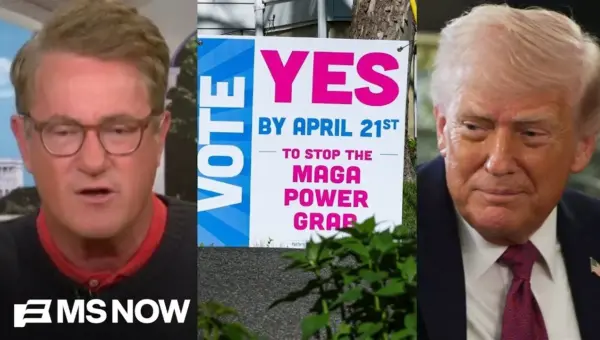
Virginia Redistricting Vote Fuels GOP Blame Game
Voters in Virginia have approved a constitutional amendment to redraw congressional districts, a move that has intensified criticism within the Republican party. Analysts suggest this decision, influenced by former President Donald Trump's strategies, could lead to significant losses for the GOP in the upcoming midterm elections.
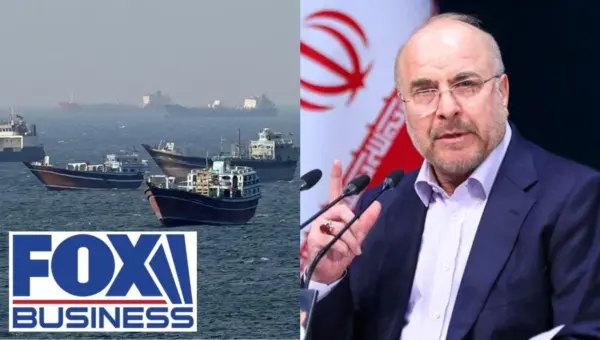
Iran’s Leadership in Disarray as US Oil Blockade Bites
The U.S. has implemented a significant oil blockade on Iran, cutting off an estimated $450 million in daily revenue and exacerbating internal leadership divisions. This financial pressure impacts Iran's ability to negotiate and has ripple effects on global energy markets, particularly affecting China.

Hungary Elects New Leader, Shifting EU Power Dynamics
Hungary's recent election has removed Viktor Orbán from power after 16 years, signaling a major shift in European Union politics. The new government, led by Peter Magyar, aims to reintegrate Hungary into EU norms and strengthen its stance against Russian and Chinese influence. This change could lead to greater unity within the EU on foreign and security policy.