McCormick Backs Warsh for Fed Role, Eyes Iran Sanctions
Senator Dave McCormick strongly backs Kevin Warsh's nomination for the Federal Reserve, praising his reformist approach and deep market experience. Warsh's potential tenure could bring significant changes to the Fed's monetary policy strategies. The conversation also touched upon the ongoing economic blockade against Iran and the extension of a ceasefire.

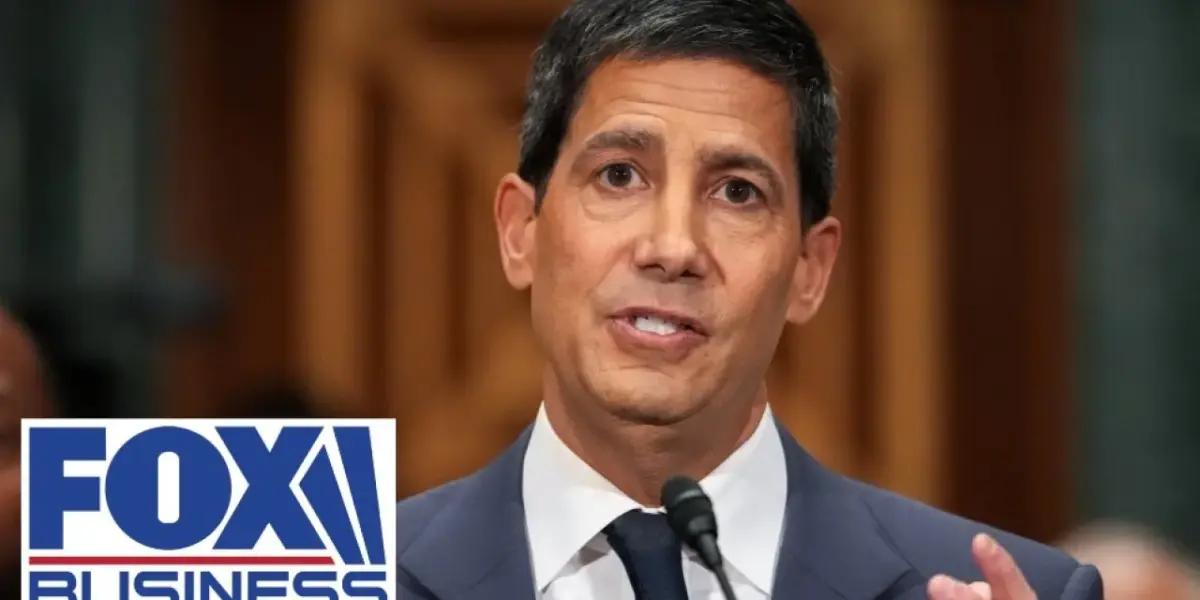
McCormick Praises Warsh Nomination for Federal Reserve
Senator Dave McCormick, a member of the Senate Banking Committee, has voiced strong support for Kevin Warsh’s nomination to a key position at the Federal Reserve. McCormick, who introduced Warsh, described him as a thoughtful, independent thinker with deep experience in both the Fed and financial markets. He believes Warsh possesses the “heart of a reformer” and will drive necessary change, understanding that monetary policy directly impacts the American Dream through price stability and full employment.
During his testimony, Warsh remained calm and composed, even when facing criticism from some senators. McCormick noted that Warsh was “unflappable” and did not get sidetracked by what he called “vicious, unfair and ridiculous commentary.” He expressed confidence that Warsh would be confirmed and serve as a great Fed Chair, bringing a much-needed fresh perspective to the institution.
Warsh Challenges Fed Orthodoxy, Advocates for Reform
Warsh’s approach signals a potential shift in how the Federal Reserve operates. He has indicated that factors like artificial intelligence and productivity growth should be integrated into economic calculations.
Warsh suggested that the Fed should focus strictly on its monetary policy mandate, steering clear of political issues, climate change, and diversity initiatives. He argued that the central bank is a monetary agency, not a central planning body.
He also proposed re-evaluating inflation measures and suggested moving away from unchanging “forward guidance.” Instead, Warsh advocated for more dynamic discussions based on current economic conditions during each meeting. These ideas, while sounding like common sense, could represent significant changes for the Federal Reserve’s established practices.
Economic Transformation Requires Fed Adaptability
McCormick highlighted Warsh’s quote about the “tyranny of the status quo,” emphasizing that Warsh is prepared to challenge existing norms. The current economic moment is one of remarkable transformation, and outdated models may not serve the Federal Reserve well. Warsh recognizes the need for policy dynamism and creativity to navigate the evolving global economy.
Warsh is seen as a “growth guy” as well as a proponent of price stability. His ability to bridge traditional Fed thinking with an understanding of a changing world makes him well-suited for the challenges ahead. This combination of experience and forward-looking perspective is why McCormick believes Warsh will be exceptional in his role.
Accountability for Project Overruns
Separately, Senator Thom Tillis had previously held up nominations, including Jay Powell’s, due to concerns over cost overruns on a specific project. However, Tillis defended Warsh, stating he is in compliance and he would support his confirmation. McCormick has spoken with Tillis and the committee chairman about finding a path forward.
McCormick believes the President rightly seeks accountability for the project’s mismanagement, possibly due to gross incompetence. While he sees no evidence of criminal misconduct by Jay Powell, he stresses the importance of assuring taxpayers that there will be accountability for the runaway project. The Banking Committee, with its subpoena power, is positioned to investigate and refer any findings of criminal misconduct to the FBI.
Urgency for Fed Leadership Amid Global Uncertainty
McCormick hopes the Banking Committee will thoroughly examine the project issue, demonstrating to the public that accountability is possible. He is not involved in direct negotiations but believes relying on the Banking Committee’s oversight is a viable solution. Getting Kevin Warsh in place by May 15th is crucial, as uncertainty around new Fed leadership is not ideal during a time of global instability.
The Federal Reserve needs its leadership in place to drive smart monetary policy for America. This is particularly important when the world faces significant economic and geopolitical challenges. Having a confirmed leader ready to address these issues is a priority for ensuring financial stability.
Iran Tensions and Sanctions Strategy
The discussion then shifted to international affairs, specifically the situation with Iran. Senator McCormick commented on the potential for military action if diplomatic efforts failed, noting that Iran faces internal divisions and unclear leadership. He outlined two paths for Iran: a negotiated settlement that halts its nuclear program and terrorist financing, or facing consequences from U.S. military actions.
McCormick expressed skepticism about Iran’s trustworthiness, citing a history of deception. He believes the U.S. is well-positioned militarily in the Gulf and that economic blockades are proving effective. While hoping for a peaceful resolution, he acknowledged the precision of the U.S. military and the possibility of further necessary action.
Blockade Strategy and Ceasefire Extension
The effectiveness of the blockade in squeezing Iran’s economy and financial system was emphasized. This pressure aims to prevent Iran from meeting its financial obligations, including payroll and retirement packages for its officials. The blockade is seen as a powerful tool to compel Iran towards a negotiated settlement.
President Trump later announced on Truth Social that the attack on Iran would be held until Iranian leaders could present a unified proposal, extending a ceasefire. He directed the military to maintain the blockade and remain ready. Senator McCormick agreed with this strategy, noting that additional corridors in shipping lanes have been opened, increasing pressure on Iran.
Hope for Diplomatic Resolution
McCormick reiterated his agreement with the blockade strategy, calling it a good and powerful tool. He mentioned that the opening of shipping corridors increases U.S. capability in the region, further pressuring Iran. The hope is that cooler minds prevail within Iran, leading to a negotiated settlement that achieves the President’s objectives.
The situation remains fluid, with the U.S. maintaining pressure through economic sanctions and military readiness. The extended ceasefire allows for further diplomatic engagement, but the underlying tensions persist. The focus remains on achieving a stable outcome that addresses Iran’s nuclear ambitions and regional activities.
Source: Kevin Warsh has the 'heart of a reformer,' GOP senator says (YouTube)

Related Articles
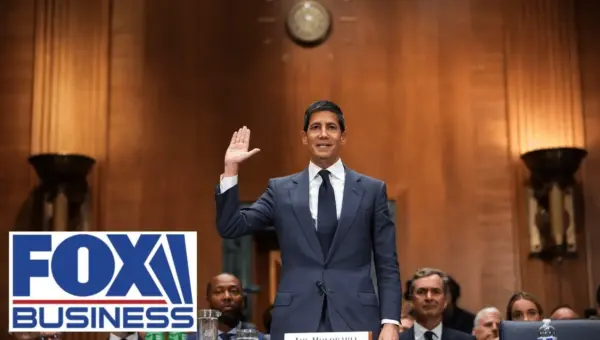
Warsh Faces Senate Grilling Over Fed Role
Kevin Warsh faced a rigorous Senate hearing for a Federal Reserve position, defending his independence from political pressure. Concerns about his wealth and experience were raised, but supporters argued his private sector background is valuable. A key senator's decision not to vote could delay the confirmation.
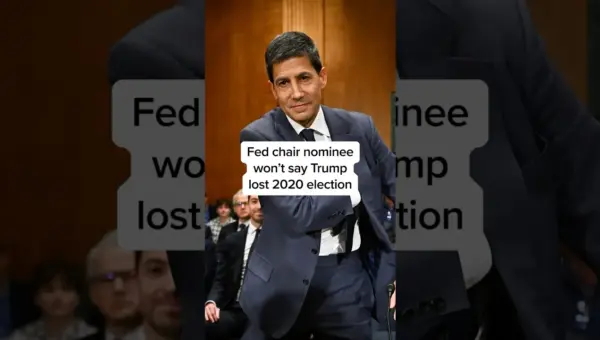
Fed Nominee Dodges Trump Election Question, Sparks Concern
Kevin Warsh, nominated by former President Trump for the Federal Reserve, has drawn criticism for refusing to state if he believes the 2020 election was legitimate. Critics argue this hesitation raises serious concerns about his judgment and the independence required for a key economic role. His response has cast doubt on his suitability for the central bank's leadership.

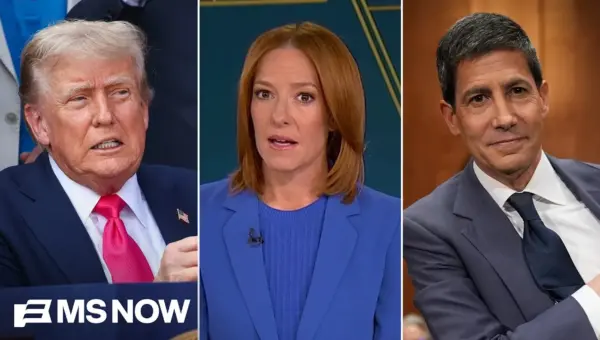
Trump Nominee’s Fed Hearing Reveals ‘Puppet’ Fears
Kevin Warsh, Donald Trump's nominee for Federal Reserve Chair, faced intense scrutiny over his independence during a recent hearing. Senator Elizabeth Warren questioned his ability to resist political pressure, especially after Warsh hesitated to confirm Trump's 2020 election loss. The hearing also touched on broader concerns about financial conflicts of interest and the mysterious dissolution of a Trump-affiliated fund.