Trump Orders Military on Standby as Iran Ceasefire Extended
President Trump has placed the U.S. military on standby as a ceasefire with Iran has been extended. This decision comes amid complex negotiations, with Washington considering various strategies, including potential escalation, to address Iran's nuclear program and regional actions.

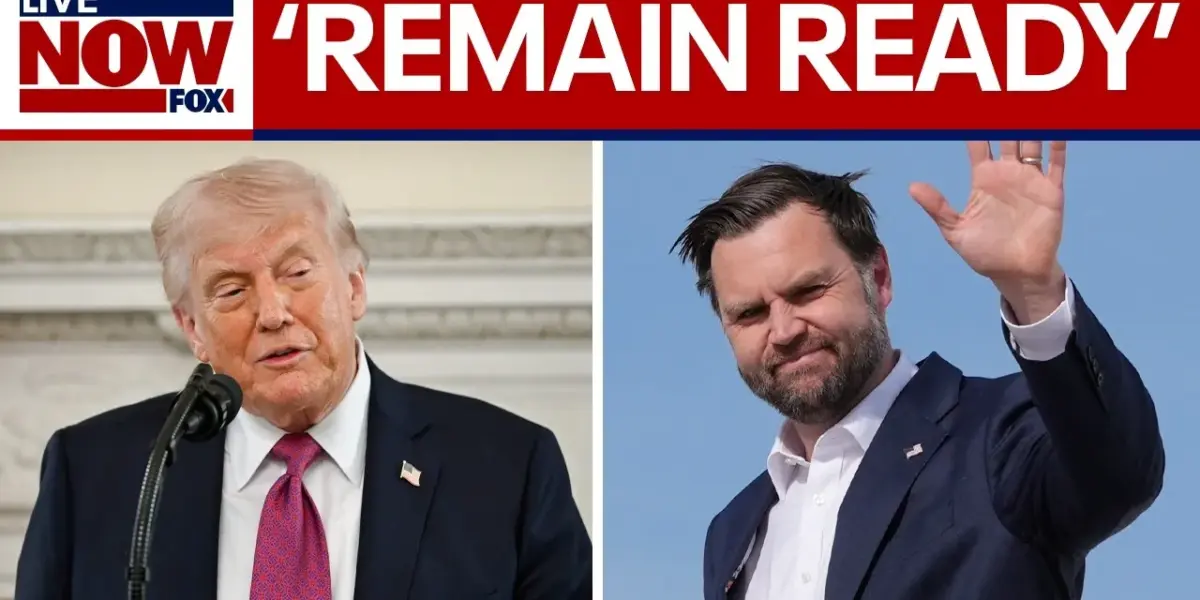
US Military on Alert Amid Extended Iran Ceasefire
President Trump has directed the U.S. military to maintain a state of readiness as a ceasefire with Iran has been extended. This move comes as Washington grapples with three distinct scenarios regarding its approach to Tehran. The decision highlights the ongoing tension and complex diplomatic efforts underway between the two nations.
Navigating Options with Iran
U.S. officials have repeatedly stated they are unwilling to agree to a new deal similar to the JCPOA, which they believe would primarily benefit Iran. This stance leaves Washington with two other potential paths forward.
One option involves the U.S. stepping back from direct negotiations, allowing European nations, Arab states, or Israel to manage the situation, particularly concerning the Strait of Hormuz. In this scenario, Iran would be seen as the aggressor if it continued to block the vital waterway after the U.S. campaign ended.
Escalation as a Potential Strategy
A third option involves escalating pressure on Iran. This strategy aims to exploit internal unrest within the country, targeting its energy infrastructure.
The goal is to encourage defections from Iran’s armed forces by signaling that the regime’s end is near. This approach suggests a willingness to employ more assertive tactics if diplomatic efforts falter.
Iran’s Stance in Negotiations
Within Iran, there are differing views on the current negotiations and the existential threat posed by U.S. actions. Some factions recognize the potential danger to the Islamic Republic’s ruling structure, especially if U.S. policy aims to empower the Iranian people to determine their own future. Others, however, are ideologically committed to the current regime and may view conflict as a path to martyrdom, regardless of concessions.
“Unfortunately, when you’re dealing with radicalized Islamists, it is not the same thing as a scenario. Not all of them are rational thinkers. Not all of them are thinking in the same paradigms as you and me.”
This division suggests that a purely rational, transactional approach may not be effective when dealing with certain elements within the Iranian government. Their motivations can stem from deep ideological beliefs, making negotiations particularly challenging.
The Nuclear File: Uranium and Enrichment
A major point of contention in the negotiations is Iran’s nuclear program, specifically its stockpile of highly enriched uranium. Removing this uranium physically from Iran would be difficult due to the country’s size and the uranium’s location deep within its territory. U.S. officials are hesitant to simply purchase the uranium, as this could lead to sanctions relief for Iran, effectively rewarding their actions.
Beyond the existing uranium, concerns remain about Iran’s future enrichment capabilities. Even if the current stockpile is removed, there is no guarantee that Iran would not pursue enrichment to weapons-grade levels in the coming years. This ongoing challenge complicates efforts to reach a comprehensive agreement and ensure long-term security.
Looking Ahead
The extension of the ceasefire provides a temporary reprieve, but the underlying tensions and complex issues remain unresolved. Future developments will likely depend on Iran’s willingness to cooperate on its nuclear program and its actions regarding the Strait of Hormuz. The U.S. military’s continued readiness signals that Washington is prepared for various outcomes as these critical negotiations unfold.
Source: Ceasefire Extended: Trump directs US military to 'remain ready' (YouTube)

Related Articles


Americans Reject Trump’s Iran War Stance
A recent NBC poll reveals that 67% of Americans disapprove of Donald Trump's handling of the conflict with Iran, with 54% strongly disagreeing. This strong public opposition highlights a significant divide on foreign policy and raises questions about the administration's current strategy.

Trump Urges Companies to Skip Tariff Refunds, Sparks Outrage
President Trump's suggestion that companies are "brilliant" for not seeking tariff refunds has sparked controversy. Experts and commentators are raising concerns about corporate governance, shareholder rights, and the potential for a system based on personal favor rather than established law. The situation also highlights broader economic uncertainties and questions surrounding the future leadership of the Federal Reserve.

Trump Extends Iran Ceasefire Amid Price Hikes, Faces Tough Choices
President Trump has extended the ceasefire with Iran, continuing a blockade of its ports amid rising domestic fuel prices. Analysts suggest this move is an attempt to save face as the U.S. faces economic pressure and Iran demonstrates resilience. The situation remains uncertain, with a focus on how long the U.S. can sustain its pressure campaign.