Trump’s TV Rant Reveals His Own Standards
Donald Trump's recent TV interview revealed a pattern of complaining about issues based on standards he himself set. From war timelines to tariff implications, his criticisms often contradict his past actions and statements. This analysis explores the self-imposed expectations that fuel his public commentary.

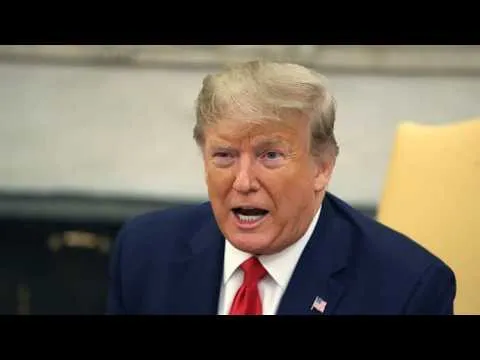
Trump’s TV Rant Reveals His Own Standards
Donald Trump recently appeared on CNBC’s Squawkbox for a 37-minute interview. During this call, he discussed various issues, including the war in Iran, tariffs, and the Federal Reserve. However, the interview also highlighted how Trump’s current complaints often contradict the standards he himself set during his presidency.
The former president expressed frustration with the length of the war in Iran, comparing it to past conflicts. He mentioned World War I lasted over four years and World War II lasted six years.
Trump stated that his administration’s projected timeline for the Iran conflict was four to five weeks. “I would have won Vietnam very quickly,” he claimed, suggesting he would have handled past wars differently as well.
War Timelines and Expectations
Trump’s remarks about the Iran war’s duration seem to ignore the complexities of modern conflicts. He criticized how long the war was taking, yet his administration had previously projected a much shorter timeline for resolution. This creates a situation where his complaints are based on expectations that his own team set, making the criticism self-directed.
The interview also touched on tariffs. Trump seemed to suggest that large companies like Apple and Amazon were hesitant to seek reimbursements for tariffs out of fear of offending him. He viewed their restraint as a positive, indicating they “know me very well.” This implies that these companies understood his mindset and acted accordingly.
Tariff Repercussions and Corporate Behavior
The analysis suggests that companies might have held back on seeking refunds to avoid negative attention or to gain favor. This interaction points to a dynamic where corporate leaders may have adapted their strategies based on Trump’s known preferences. The implication is that his ego and leadership style influenced business decisions.
Trump criticized the cost and progress of a building project, specifically mentioning a small building that cost nearly $4 billion. He lamented the demolition of beautiful ceilings and thick walls, stating he could have fixed it for much less. He expressed a strong attachment to the building’s original design and quality.
Building Projects and Cost Overruns
His focus on the building’s aesthetics and cost highlights a personal interest in construction and renovation. This passion for lavish buildings is a recurring theme in his public image and business dealings. The interview presenter noted this intense focus on the building’s details.
The core of the criticism is that Trump’s current grievances often stem from his own past actions and statements. When he complains about the war taking too long, it overlooks the initial projections.
When he discusses tariff money, it ignores his earlier boasts about tariffs generating significant revenue. He celebrated low gas prices during his term, but now appears to downplay the impact of rising costs.
Self-Imposed Standards and Public Perception
The analysis argues that Trump’s brand is built on promises that do not always align with reality. Examples include promises about healthcare, inflation, and the release of certain files. The presenter suggests that Trump’s primary concern is personal gain and associating his name with grand projects before leaving office.
This perspective suggests that Trump’s public complaints are a way to deflect from his own unfulfilled promises or past decisions. The interview highlighted how his statements on issues like gas prices, tariffs, and war timelines can be seen as contradictions when viewed against his own track record. The presenter believes Trump’s focus remains on personal enrichment and legacy projects.
Why This Matters
Understanding these self-imposed standards is crucial for evaluating political rhetoric. When a leader criticizes current situations based on metrics they themselves established, it raises questions about their consistency and accountability. This pattern can shape public perception and influence how voters interpret policy outcomes.
The discussion also touches on the nature of political power and how it is wielded. The presenter mentions a new book, “The Day After: How to Wield Power in a Post-Trump World,” which explores how power is used and misused. This frames the analysis within a broader conversation about political strategy and effectiveness.
Implications and Future Outlook
The trend of politicians setting expectations and then criticizing outcomes based on those same expectations can create a confusing political environment. It may lead to public distrust if promises are not met or if criticisms appear disingenuous. For future leaders, maintaining consistency between rhetoric and action will be key to building credibility.
The analysis suggests that voters should look closely at a leader’s past actions and statements when evaluating their current claims. The focus on Trump’s building projects and his business dealings offers a glimpse into his priorities. This perspective encourages a more critical examination of political figures and their motivations.
Historical Context
The interview references historical wars like World War I, World War II, the Korean War, Vietnam, and the Iraq War. These comparisons are used to frame Trump’s comments on the duration of conflict. By referencing these major historical events, the analysis attempts to place Trump’s statements within a larger context of military engagement and its associated timelines.
The discussion about tariffs also has historical roots in trade policy debates. Trump’s approach to tariffs was a significant departure from previous administrations, sparking widespread discussion about their economic impact. The mention of companies like Apple and Amazon reflects the real-world implications of these policies on major corporations.
The presenter concludes by emphasizing that Trump’s complaints often circle back to standards he set. The example of gas prices, which fell significantly during his term, is used to show how a positive outcome then can be viewed negatively later. This highlights the importance of consistent evaluation and avoiding selective memory when assessing political performance.
The article ends by referencing the book launch and the broader theme of power in politics. It suggests that understanding how power is used, and how it should be used, is a critical issue for the future. The call to pre-order the book is a concrete next step for readers interested in these themes.
Source: Trump goes on CRAZED TIRADE on national TV | Another Day (YouTube)

Related Articles
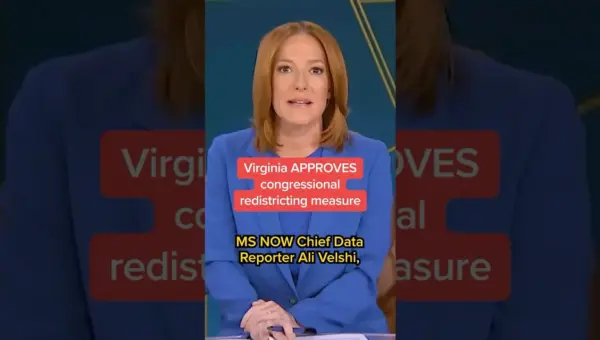
Virginia Voters Back New Redistricting Rules
Virginia voters have approved a ballot measure creating an independent redistricting commission. The measure transfers the power to draw electoral maps from lawmakers to a 16-member commission, aiming to reduce gerrymandering and increase fairness. This reform seeks to make districts more competitive and representative of the state's population.
Trump’s Tariff Tactic: ‘Mob Boss’ Strategy Sparks Debate
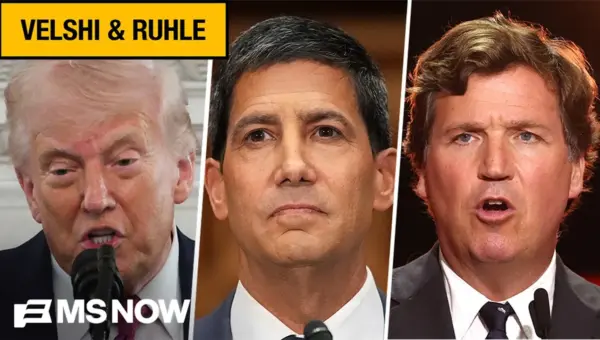
Former President Donald Trump's alleged plan to offer tariff refunds in exchange for political support is drawing comparisons to 'mob boss' tactics. This strategy could reward allies and punish opponents, raising concerns about fairness in trade policy. The discussion also touches on potential developments involving Tucker Carlson and an extension of the Iran ceasefire.
Virginia Voters Reject Trump’s Redistricting Plan, Bolster Dems
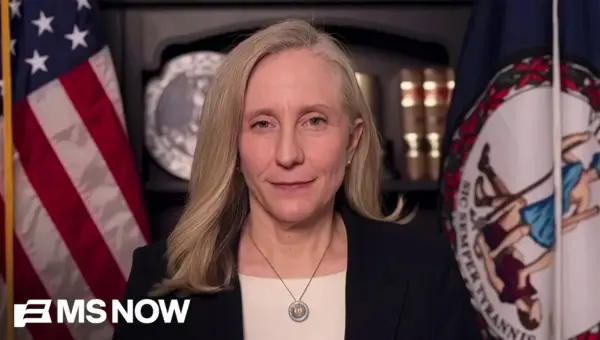
Virginia voters have approved a new redistricting plan, a move that could shift the balance of power in the House of Representatives and deal a blow to Donald Trump's influence. Governor Abigail Spanberger celebrated the victory, calling it a rejection of a "campaign of lies" and a win for democracy. The plan is expected to create more favorable districts for Democrats, potentially impacting the upcoming midterm elections.