Fed Nominee Warsh Promises Policy Overhaul
Federal Reserve nominee Kevin Warsh signaled a desire for a less interventionist central bank during his Senate testimony. He advocated for reducing the Fed's balance sheet and focusing on core monetary policy, suggesting a potential shift in economic strategy. Warsh aims to bring a "fresh air" approach to the Federal Reserve.

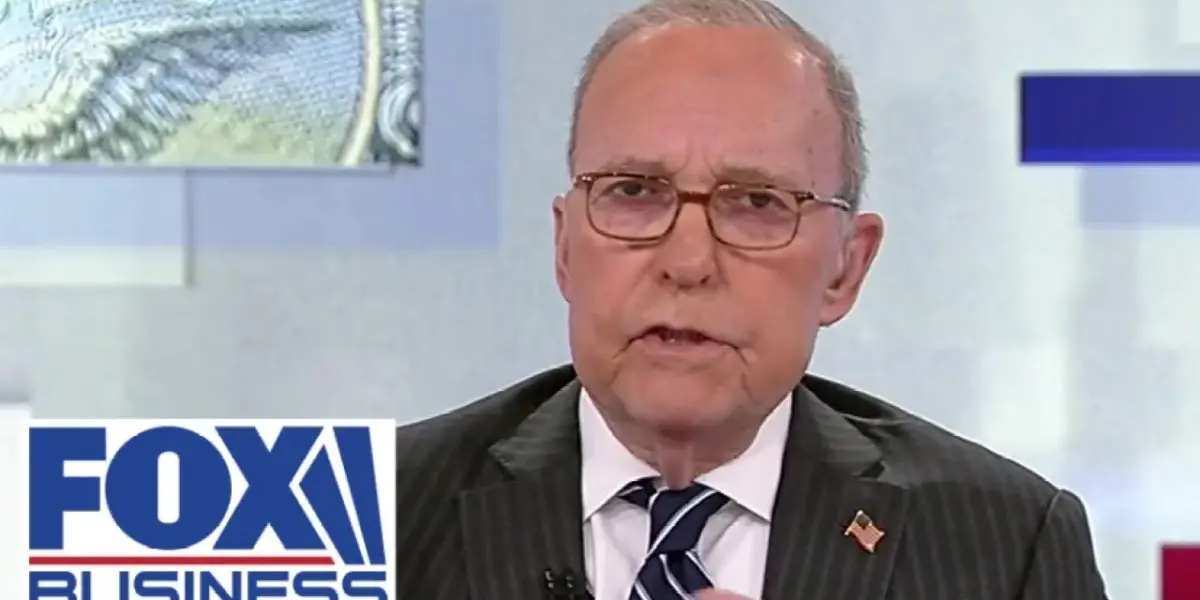
Fed Nominee Warsh Promises Policy Overhaul
Kevin Warsh, a nominee for the Federal Reserve, signaled a potential shift in monetary policy during his Senate Banking Committee testimony. He presented a vision for a Federal Reserve that is less involved in economic planning and more focused on its core mission. Warsh believes the Fed has grown too large and too involved in areas beyond its original purpose.
Warsh outlined his long-held views that the Federal Reserve’s balance sheet, which includes its assets and liabilities, should be reduced. He argued that the Fed was never intended to be an overbearing, central-planning economic agency. He stressed the importance of monetary policy independence, stating it must be earned through sound decision-making and adherence to its mandate.
He emphasized the critical role of low inflation as the Fed’s primary defense against economic shocks. Warsh stated that when inflation rises significantly, it causes real harm to citizens, particularly those with lower incomes. Therefore, he believes the Fed must strictly adhere to its responsibilities and avoid venturing into political or social issues.
Warsh specifically called for the Fed to stay within its designated lane, meaning it should avoid engaging in politics, Diversity, Equity, and Inclusion (DEI) initiatives, or climate change policies. He also suggested that the Fed should not be lobbying state legislatures. His focus remains on economic stability through monetary policy.
Challenging current Fed practices, Warsh questioned the effectiveness of forward guidance and the constant communication from Reserve Bank presidents. He suggested that FOMC (Federal Open Market Committee) meetings could benefit from more open debate, likening them to a “family fight.” Warsh believes this more robust discussion would lead to better decisions and quicker correction of mistakes.
“I tend to favor messier meetings than some,” Warsh testified. “Where people don’t show up with rehearsed scripts, but we can have a good family fight. If the central bank has that good family fight, I think that they’re going to make better decisions.” He believes such an environment would help the Fed make sounder choices.
Warsh also proposed alternative inflation indicators, suggesting that median inflation rates or trimmed mean inflation rates might offer a clearer picture than the standard Consumer Price Index (CPI) or Personal Consumption Expenditures (PCE) deflator. These methods involve removing the highest and lowest price changes to get a more stable inflation reading. He even mused that it is difficult to conduct monetary policy without discussing the role of money itself.
Regarding the economy’s outlook, Warsh indicated that while the broad economic picture is improving, there is still room for enhancement. He noted that peak inflation has decreased but could fall further. Warsh also supports using interest rates as a more effective tool than manipulating the central bank’s balance sheet.
He reiterated his view that rapid technological advancements, such as artificial intelligence (AI), are likely to boost productivity, lower business costs, and ultimately reduce inflation and interest rates. However, Warsh did not provide any specific forecasts for future interest rate movements. His focus is on the long-term impact of technology.
When questioned by Senator Elizabeth Warren about potentially being a “sock puppet” for President Trump, Warsh firmly denied any such influence. He stated that during his interview with President Trump, the President never asked him to commit to any specific interest rate decision. Warsh asserted he would never agree to such a request.
“The President never once asked me to commit to any particular interest rate decision, period, and nor would I ever agree to do so if he had. But he never did,” Warsh confirmed during the hearing. This statement aimed to assure the committee of his independence.
Despite some contentious questioning, particularly from Senator Warren regarding his personal finances and divestments, Warsh received support from other committee members. Senator Thom Tillis affirmed Warsh’s compliance with ethics requirements and asset sales. Warsh’s nomination appears to be moving forward positively.
Market Impact
Warsh’s nomination and testimony suggest a potential shift in the Federal Reserve’s operational philosophy. Investors will be watching to see if his views on reducing the balance sheet and focusing on core monetary policy take hold.
A Fed that is less interventionist could lead to different market dynamics. This could influence everything from bond yields to stock market volatility.
His emphasis on inflation control and the potential for technology to lower prices and rates offers a longer-term perspective. If technology continues to drive down costs, it could support a scenario of stable inflation and moderate interest rates. This would be a welcome development for both businesses and consumers.
Warsh’s approach to monetary policy meetings, favoring more open debate, could lead to more transparent decision-making. This might reduce uncertainty for markets if Fed communications become clearer and less prone to frequent adjustments. The market generally prefers predictability in central bank actions.
The Federal Reserve’s balance sheet reduction is a key topic. A smaller balance sheet could mean less liquidity in the financial system, potentially affecting asset prices. Investors will need to assess how this normalization impacts the availability of credit and investment returns across different asset classes.
Warsh’s confirmation is a significant event for the future direction of the Fed. His focus on sound monetary principles and independence from political pressures could usher in a new era for the central bank. The market will be closely observing his actions and influence once he is confirmed.
Source: Kudlow: THIS will bring a breath of fresh air… (YouTube)

Related Articles

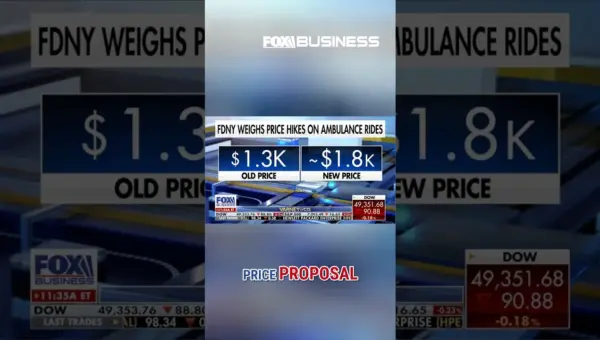
NYC Ambulance Fees Set to Surge by 29%
New York City is proposing a significant increase in ambulance service fees, with basic rides potentially rising by 29% to nearly $1,800. On-site medical treatments could also see a 42% jump. The city cites inflation and anticipated union pay raises as key reasons for the proposed hikes.
Trump Extends Iran Ceasefire, Continues Port Blockade
President Trump has extended the ceasefire with Iran following requests from Pakistani officials, though the U.S. will continue blockading Iranian ports. Vice President Vance's planned peace talks in Pakistan remain on hold amidst conflicting timelines and accusations between the two nations. Meanwhile, Kevin Warsh's nomination to lead the Federal Reserve faces significant hurdles, including Senator Thom Tillis's blockade over an investigation into Fed Chair Jerome Powell.
Fed Nominee Rejects CBDC; Military Calls Bitcoin Strategic
Potential Fed Chair Kevin Worsh rejected the concept of a U.S. central bank digital currency, while military officials testified to Bitcoin's national security value. Meanwhile, Arbitrum froze $71 million in Ethereum following a DeFi exploit, sparking decentralization debates.