Iran Ceasefire: US Extends Truce, But What’s Next?
President Trump has extended the ceasefire with Iran indefinitely, a surprising move that may signal a new long-term status quo. This decision comes as Iran reportedly expands its war aims, leveraging its influence over the Strait of Hormuz to seek concessions beyond regime survival. The U.S. continues its maritime interdictions, seizing Iranian vessels globally, as diplomatic talks remain uncertain.

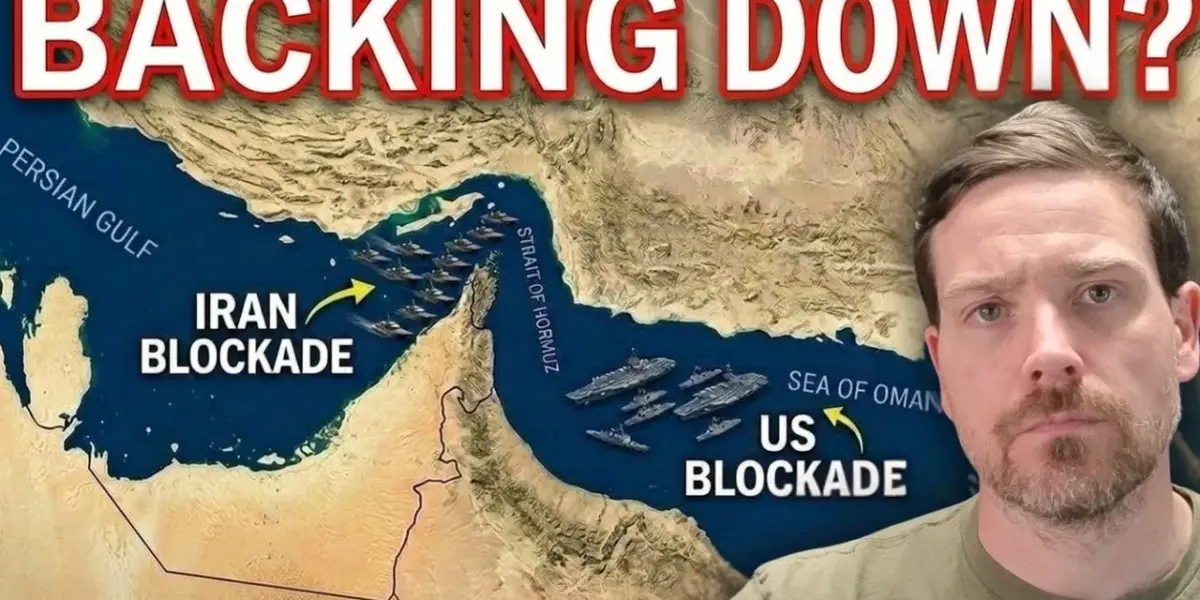
Trump Extends Iran Ceasefire Indefinitely Amid Shifting War Aims
President Trump has announced an indefinite extension of the ceasefire with Iran. This move comes as a surprise, shifting from short-term truces to a potentially long-term status quo.
The United States is maintaining a blockade and seizing Iranian ships globally while working towards a future deal. This decision follows Iran’s refusal to send a delegation to Pakistan for talks with Vice President Vance.
Adding another layer to this development, the head of the U.S. Defense Intelligence Agency, Lieutenant General Adams, stated that Iran has broadened its war goals. Iran now recognizes its significant influence over the Strait of Hormuz, using it as leverage. Their focus has moved beyond simply surviving as a regime to demanding concessions from the United States.
Iran’s Leverage and Shifting Demands
The U.S. Defense Intelligence Agency’s assessment, made public recently, suggests Iran’s objectives have expanded significantly. They now aim to deter strikes against their territory and extract concessions from the U.S., largely by leveraging control over the Strait of Hormuz. This understanding of their influence has altered their strategic outlook.
Iran’s decision not to attend the Pakistan meeting was based on two main points. Firstly, they cited the ongoing U.S. blockade as a violation of the ceasefire spirit. Secondly, they argued that the U.S. had not moved away from its “maximalist demands.” This suggests a significant gap in expectations between the two nations heading into any potential negotiations.
The Strait of Hormuz: Iran’s New Deterrent?
The potential closure of the Strait of Hormuz has long been a point of speculation. Iran’s actions in this regard, though escalatory, have shown them the ease with which they can disrupt this vital shipping lane. This ability may now serve as a significant deterrent, potentially offering a revenue stream and a powerful bargaining chip.
This control over the Strait appears to have given Iran a new sense of power. They may now believe they can demand more from the United States than they could have before the recent conflict began. This shift in perceived leverage is a critical factor in understanding Iran’s current stance.
U.S. Military Capabilities and Iran’s Resilience
Despite the conflict, Iran still possesses substantial military capabilities. Lieutenant General Adams noted that Iran has thousands of missiles and drones capable of threatening U.S. and partner forces across the region. These remain a significant threat, even after military attrition and expenditure.
Iran has taken steps to enhance its resilience. They have developed succession plans for military commanders and decentralized command and control structures. These measures help mitigate the impact of potential “decapitation strikes” by ensuring operations can continue even if leadership is targeted.
Nuclear Ambitions and Internal Stability
Interestingly, General Adams’ public testimony indicated that Iran’s former Supreme Leader maintained a ban on nuclear weapons. This contrasts with some assessments from U.S. officials during the conflict, who suggested Iran might reconsider weaponization if its nuclear facilities were attacked.
Regarding internal stability, the Iranian regime is aware of public discontent. Celebrations following the former Supreme Leader’s death highlighted this dissatisfaction. However, the regime has implemented strict measures to prevent any popular uprisings, making widespread internal unrest unlikely in the immediate future.
Maritime Interdictions: A Tactic in the Long Game
As the ceasefire continues indefinitely, the seizure of Iranian vessels is likely to become a more frequent tactic. U.S. forces have recently conducted maritime interdictions, boarding sanctioned vessels in international waters. The goal is to disrupt illicit networks and deny support to Iran.
These operations aim to prevent sanctioned vessels from operating freely and supporting Iran’s activities. The Department of Defense has stated that international waters will not serve as a safe haven for such vessels, signaling a continued global enforcement effort.
Why This Matters
The indefinite ceasefire signifies a pause in direct hostilities but not an end to the underlying tensions. Iran’s increased confidence, stemming from its perceived control over the Strait of Hormuz, means it may seek more significant concessions. This raises questions about the future of negotiations and the potential for a lasting resolution.
The U.S. strategy of maritime interdictions suggests a long-term approach to pressuring Iran economically and logistically. This, combined with the extended ceasefire, indicates a shift from immediate military action to sustained strategic pressure. The effectiveness of this approach will depend on Iran’s response and the willingness of both sides to engage in meaningful dialogue.
Historical Context and Future Outlook
The current situation builds upon decades of complex U.S.-Iran relations, marked by periods of intense hostility and cautious engagement. The Strait of Hormuz has historically been a critical choke point, and any disruption there has global economic and security implications.
The extended ceasefire, while avoiding immediate escalation, creates a prolonged period of uncertainty. Iran’s expanded war aims suggest it will be a more assertive player in future negotiations. The U.S. must now balance its security interests with the need to find a diplomatic path forward, likely involving difficult concessions.
The ongoing maritime seizures and the possibility of Iran seeking greater concessions point towards a protracted period of strategic maneuvering. The world will be watching to see if this extended truce can enable de-escalation or if it merely delays further conflict.
The next steps in diplomacy, or the lack thereof, will become clearer in the coming weeks and months as Iran’s proposed unified proposal is awaited.
Source: The Iran War Just Took an Unexpected Turn (YouTube)

Related Articles


Oil Prices Surge as Strait of Hormuz Blockade Continues
Oil prices are surging, with Brent crude nearing $100 per barrel, as President Trump extends a blockade in the Strait of Hormuz. Iran views the blockade as an act of hostility, raising fears of military conflict and potential economic slowdown. The ongoing geopolitical uncertainty suggests oil prices may remain high for longer.

Iran’s Strait of Hormuz Threat: A Global Economic Trigger?
Iran holds a powerful 'trump card' with its control over the Strait of Hormuz, a vital global oil shipping lane. Threatening to close this waterway could trigger a global economic collapse, giving Iran significant leverage. This situation highlights the world's economic vulnerability.

Iran Blinks: Trump Extends Ceasefire Amidst Tense Standoff
President Trump has extended the ceasefire with Iran, despite Iran's refusal to attend peace talks. This decision follows earlier threats of military action and displays of U.S. military readiness, raising questions about America's negotiating strength.