Trump Excluded From Key Military Briefings by Aides
White House aides are reportedly excluding President Trump from critical military strategy meetings due to concerns about his impatience, according to The Wall Street Journal. This move comes as a new poll reveals that a majority of Americans doubt his even temper and mental sharpness. The situation raises questions about presidential access to vital national security information.

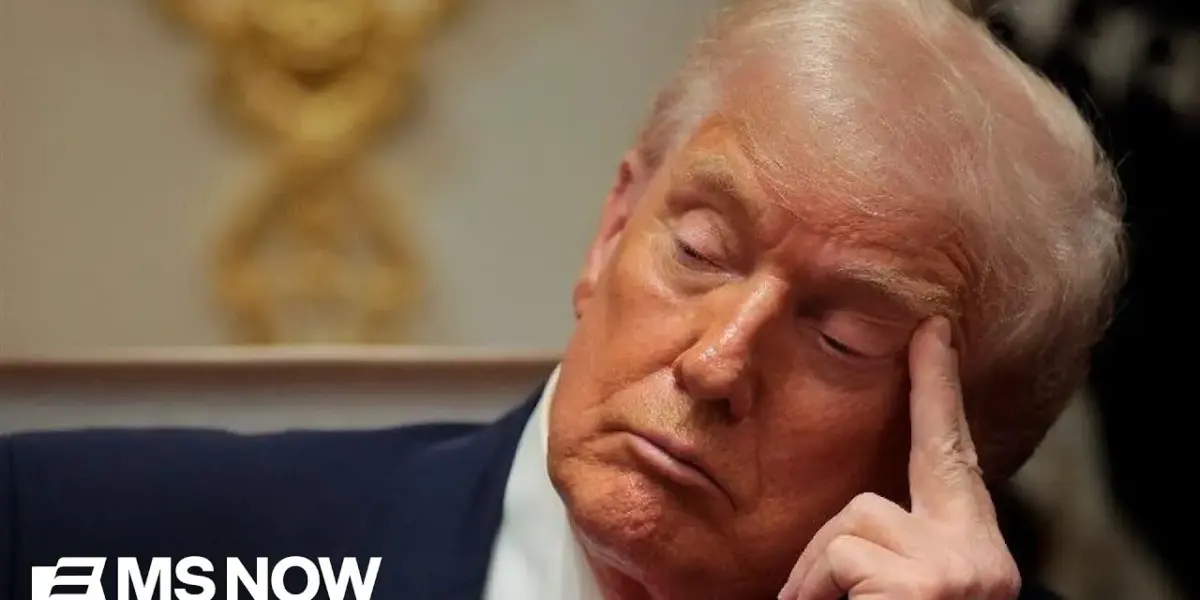
Aides Bar Trump from Critical Military Strategy Sessions
White House aides are reportedly keeping President Donald Trump out of important meetings concerning military operations, according to a new report from The Wall Street Journal. This unusual step includes excluding the Commander-in-Chief from strategy sessions about critical situations, such as the plan to rescue two airmen after Iran shot down their fighter jet recently. The aides’ decision stems from concerns about the President’s impatience during such high-stakes discussions.
Instead of including him directly in these sensitive meetings, officials are choosing to update President Trump at more opportune times via phone. This approach aims to manage the flow of information and ensure decisions are made without the potential disruption of his known impatience. The White House has not yet responded to requests for comment on this developing story.
Public Concerns Mount Over President’s Demeanor and Fitness
These reports add to a growing public concern about President Trump’s temperament and fitness for office. Observers have noted instances of what seemed like erratic behavior during public appearances, including cabinet meetings and his late-night social media posts. These public displays have fueled worries about his ability to handle the immense pressures of the presidency.
A recent Reuters Ipsos poll highlights these widespread concerns. The poll found that 71 percent of Americans do not consider the President to be even-tempered. This sentiment is shared across party lines, with 46 percent of Republicans agreeing. 51 percent of Americans, including a majority of independents, believe his mental sharpness has declined over the past year.
Voters Doubt Decision-Making on International Conflicts
The polling data also reveals a significant lack of confidence in President Trump’s decision-making regarding international conflicts. Recent surveys show a growing number of voters who do not trust his judgment when it comes to matters of war. These concerns were amplified by the Wall Street Journal’s reporting, which suggests a deliberate effort by White House staff to manage his involvement in critical national security discussions.
The timing of these leaks is notable. After more than a year of relative quiet regarding internal White House operations, information is now beginning to emerge from well-connected reporters. This suggests that individuals within the administration, even those initially chosen for their loyalty, may be growing concerned about the current state of affairs.
Broader Implications for National Security
Excluding the President from crucial military strategy sessions, even with the intention of managing his reactions, raises significant questions about presidential access to information and decision-making processes. In matters of national security, direct engagement and full awareness are typically considered paramount for effective leadership. The rationale behind these exclusions points to a deep-seated concern among senior staff about the President’s ability to process complex information under pressure.
This situation highlights a potential conflict between the operational needs of national security and the personal management of the President. The decision by aides to filter information and manage access suggests a belief that direct briefing could lead to detrimental outcomes. This approach, while perhaps intended to mitigate risk, could inadvertently create blind spots or delays in critical moments.
What to Watch Next
As more information emerges from within the White House, the focus will likely remain on the President’s engagement with critical national security issues. The ongoing public and internal assessments of his temperament and decision-making will continue to shape perceptions of his leadership. Future reports may shed further light on the extent of these information management strategies and their impact on presidential actions.
Source: WSJ: WH aides excluding Trump from important military meetings due to his impatience (YouTube)

Related Articles
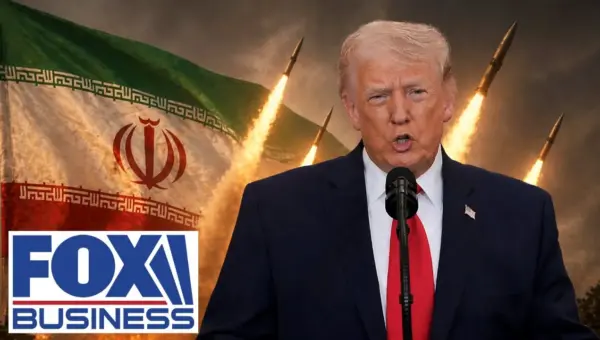
Trump Warns Iran: Bombing Could Start ‘Tomorrow’
President Trump has signaled a tough stance on Iran, warning that he expects to be "bombing tomorrow" if a satisfactory deal isn't reached, with the current cease-fire set to expire. Despite the escalating rhetoric, financial markets have remained measured, seemingly pricing in a future resolution and a potential "peace dividend."
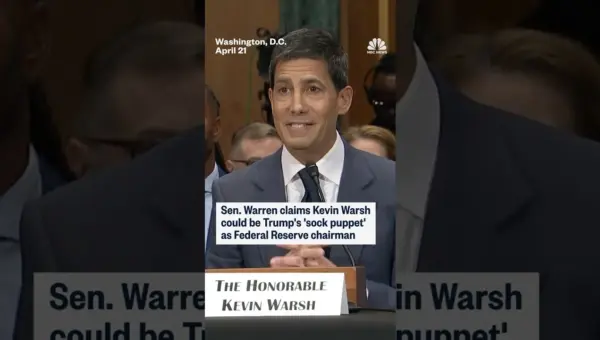
Warren Questions Fed Nominee’s Independence from Trump
Senator Elizabeth Warren questioned Federal Reserve nominee Kevin Warsh's independence from President Trump, suggesting he might act as a "sock puppet." Warren cited Trump's alleged remarks about controlling interest rates through his chosen nominee. Warsh attempted to distance himself from political questions during the hearing.

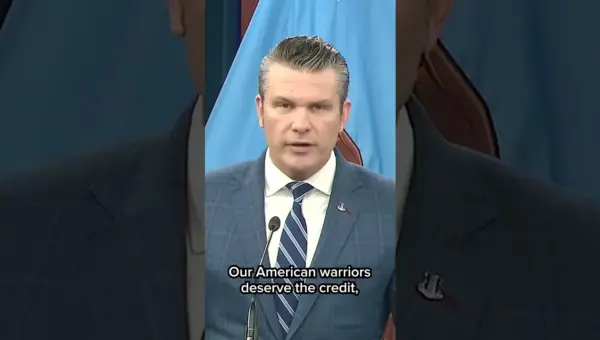
Trump Officials Cite Religion to Justify Iran War
As the war in Iran enters its second month, Trump administration officials are increasingly using religious language to justify the conflict. Pete Hegseth has been notably vocal in framing the war as a spiritual battle. This approach raises questions about the administration's motivations and the broader implications for foreign policy.